
f you go
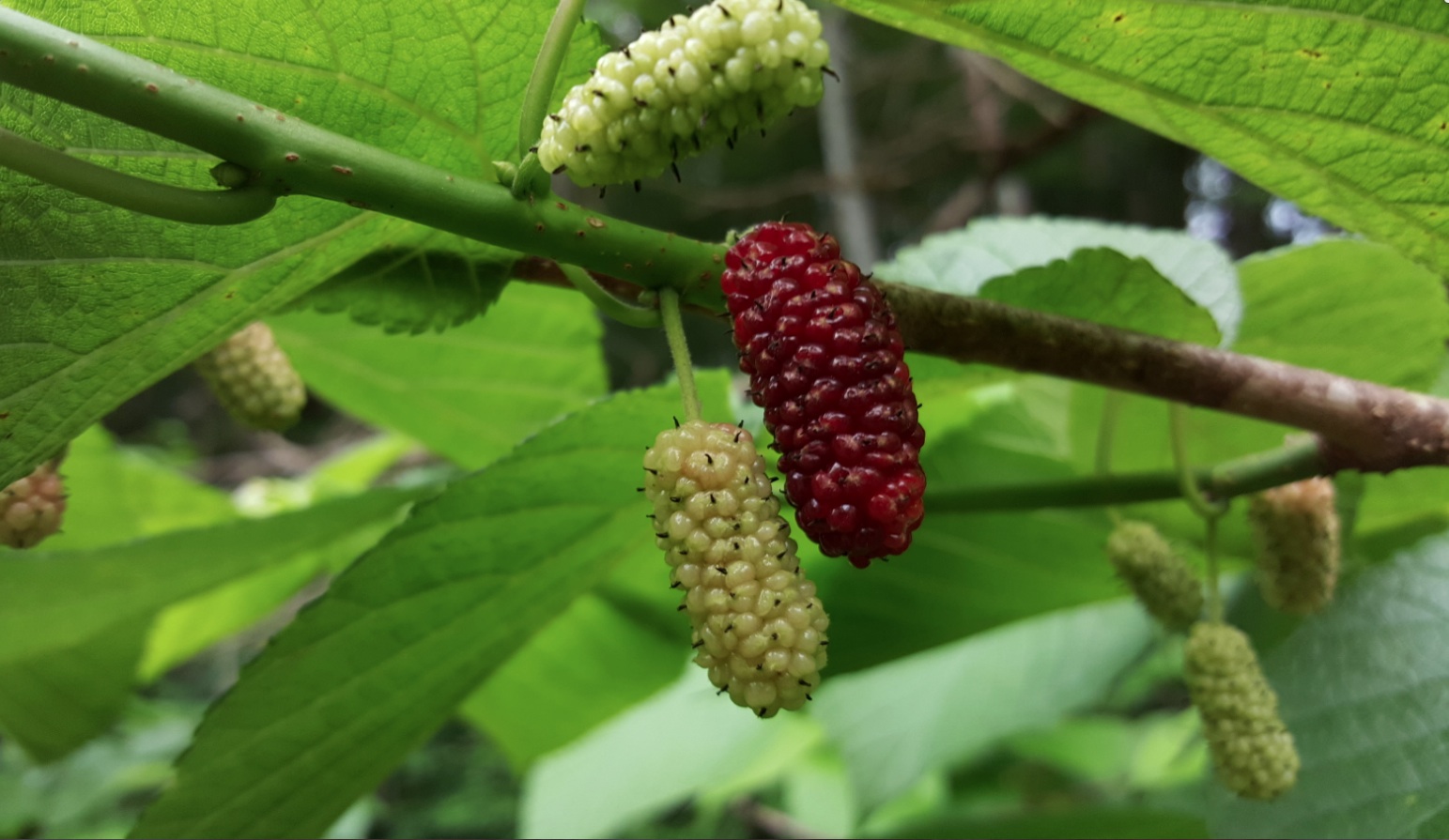
> What: Collegedale Garden Club meeting featuring Marty Miller talking about edible plants.> When: 7 p.m. Monday, Sept. 28.> Where: Collegedale City Hall, East Room, 4910 Swinyar Drive.> Contact: Larry Hansen at 423-396-2556,> Admission: Free and open to the public.Among the many edible plants in the Tennessee Valley:* Cattail* Watercress* Sour dock* Rose* Elderberry* Wild strawberry* Black raspberry* Blackberry* Blueberry* Mulberry* Wild grape* Staghorn sumac* Dandelion* Chickweed* Pokeweed* Queen Anne’s Lace* KudzuSource: practicalsurvivor.com
10 tips about edible plants
* Learn to recognize and avoid the common poisonous plants in your area.* Teach children not to put plants in their mouths; keep all plants away from infants.* Plants that are eaten by animals often are edible; mushrooms are an exception.* Do not assume that plants that superficially resemble edible plants also can be eaten.* When collecting an edible plant, make sure not to include parts from nearby plants, which may be poisonous.* Do not collect plants that have recently been sprayed with insecticides, or that grow in contaminated water or along the margins of heavily traveled highways.* Be absolutely certain which parts of a plant should be collected and in what season, and also the proper way to use them.* Avoid plants with milky sap, which often indicates poisonous alkaloids are present.* Sample unfamiliar edible plants sparingly at first; even some edible plants can cause reactions.* There are no foolproof tests for determining either edible or poisonous plants, but the following method is used by the U.S. Air Force in survival training as a last resort: When uncertain about the edibility of an unknown plant, prepare a cooked sample. Take a mouthful, chew it, and hold it in your mouth for five minutes. If at the end of this time it still tastes good, go ahead and eat it. However, if it tastes disagreeable, such as bitter or nauseating, or gives a burning sensation, spit it out.Source: Marty Miller
Hungry for something different?
How about a cattail? Or perhaps clover? Maybe a dandelion?
These and many other plants growing in your yard or nearby wetlands are perfectly edible and, according to some folks, tasty. But beware: Not everything that grows outside is safe to eat, and some plants can be deadly.