
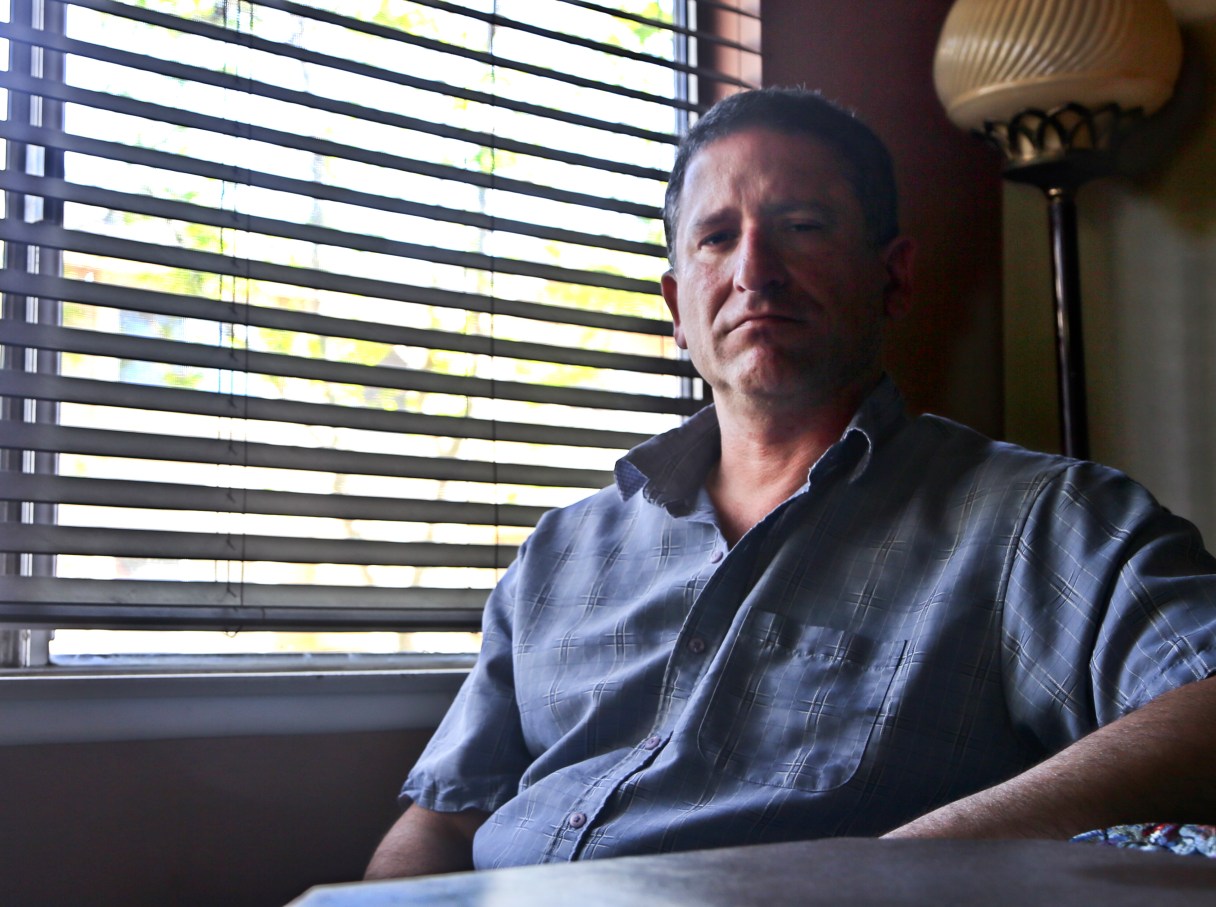
WASHINGTON (AP) – FBI agents investigating a potential data leak at Boeing obtained a secret warrant to search the home computers of a company manager in California for evidence they hoped would connect him to Chinese economic espionage.
Instead, they say, they found something else entirely: graphic child pornography.
With that discovery two years ago, an investigation of sensational but ultimately unproven allegations of espionage veered into an unrelated child pornography prosecution that won Keith Gartenlaub’s conviction in December.
Now, the Los Angeles case is testing a defendant’s ability to access information about himself presented to the country’s secretive foreign intelligence court, which issued the warrant that let agents scour his hard drives.
At issue is how the government uses evidence derived through the Foreign Intelligence Surveillance Court and under what circumstances that information should be made available to defendants, particularly when it winds up repurposed for a routine criminal prosecution that has nothing to do with national security.