
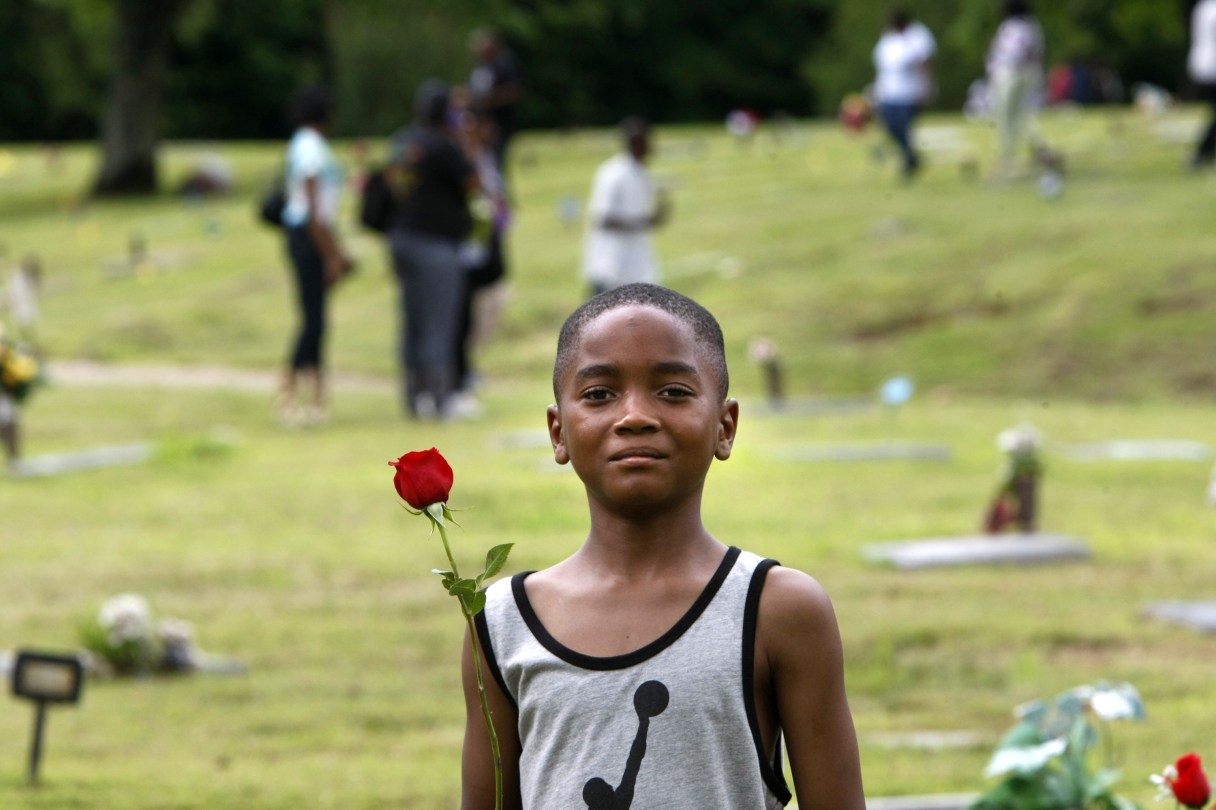
BARTLETT, Tenn. (AP) – Jackie Hughes longs to grieve over her sister’s death in simple ways: visit her grave, lay out flowers, and pour a can of Bud Light – her sister’s favorite – on the spot. But three years after Tawana Hillard’s death, Hughes hasn’t been able to spill a drop.
Hillard is missing. Since her graveside service at Galilee Memorial Gardens near Memphis in 2012, her body has been lost, along with hundreds of others whose remains were entrusted to the cemetery.
“I want to be able to walk in, to put flowers down, to just kneel and talk with her, whatever,” Hughes says. Instead she leafs through photo albums at home, smiling as she remembers Saturday mornings spent talking with her sister about their love of blues music.
Two years ago, state officials closed Galilee. Owner Jemar Lambert was accused of misplacing hundreds of bodies, burying multiple cadavers in the same grave, and crushing caskets to fit them into single plots. Lambert received 10 years’ probation in a plea deal. He left behind disorganized records, an investigation that continues today, and families who don’t know where their loved ones are buried.
Hughes says Lambert told her family that several burials were scheduled the day of her sister’s ceremony, so he would put Hillard in her grave later. Other families say Lambert told them the same story. Hughes is among hundreds now suing Galilee and the funeral homes that sent bodies there. She says she would use any damages awarded to find her sister and relocate her body to another cemetery.