
Tuesday, November 10, 2026Nov 10

Dry soil to absorb some snowmelt heading to Colorado River

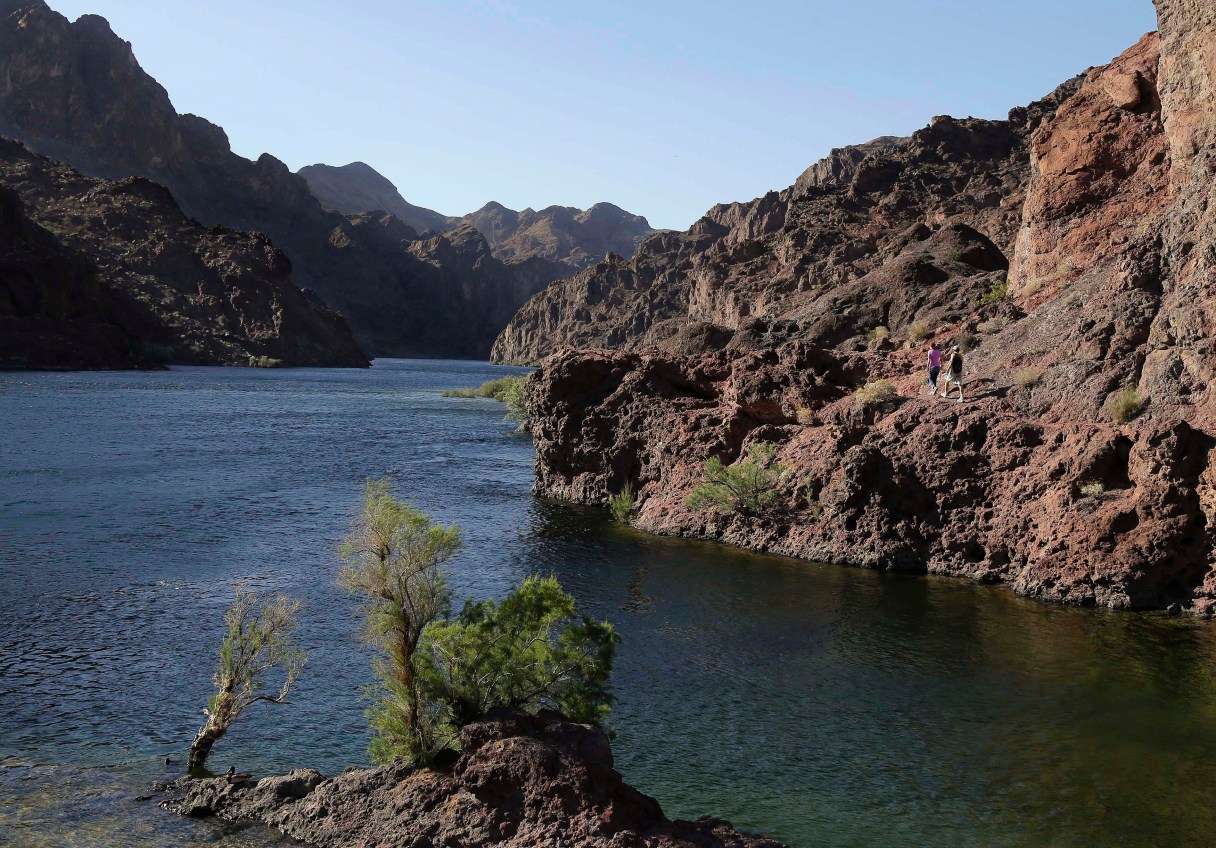
FILE - In this April 14, 2013 file photo, hikers make their way along the banks of the Colorado River near Willow Beach, Ariz. Storms brought deep snow during the 2016 season to the mountains that feed the Colorado River, but the dried-out landscape will soak up some before it can reach the river and flow into Lake Powell, the nation’s second-largest reservoir. The snowpack in the vast Upper Colorado River Basin peaked at about 94 percent of average this month. (AP Photo/Julie Jacobson, file)
FILE - In this April 14, 2013 file photo, hikers make their way along the banks of the Colorado River near Willow Beach, Ariz. Storms brought deep snow during the 2016 season to the mountains that feed the Colorado River, but the dried-out landscape will soak up some before it can reach the river and flow into Lake Powell, the nation’s second-largest reservoir. The snowpack in the vast Upper Colorado River Basin peaked at about 94 percent of average this month. (AP Photo/Julie Jacobson, file) FILE - In this April 14, 2013 file photo, hikers make their way along the banks of the Colorado River near Willow Beach, Ariz. Storms brought deep snow during the 2016 season to the mountains that feed the Colorado River, but the dried-out landscape will soak up some before it can reach the river and flow into Lake Powell, the nation’s second-largest reservoir. The snowpack in the vast Upper Colorado River Basin peaked at about 94 percent of average this month. (AP Photo/Julie Jacobson, file)

DENVER (AP) – Storms brought deep snow to the mountains that feed the vital Colorado River this winter and spring, but the dried-out landscape will soak up some of the runoff before it can reach the river and the 40 million people depending on it for water.

The snowpack in the vast Upper Colorado River Basin – encompassing almost 110,000 square miles of mountains, valleys and tributaries from Wyoming to New Mexico – hit its seasonal peak this month, federal data show. It reached about 94 percent of the long-term average.

But the melted snow that makes it into the river and eventually to Lake Powell in Utah, the second-largest reservoir in the nation, is expected to reach only 74 percent of average, forecasters say.

The Colorado River serves people and about 6,300 square miles of farmland in Arizona, California, Colorado, Nevada, New Mexico, Utah and Wyoming. Mexico also is entitled to a share.

Water users and managers watch the Upper Basin closely, especially in April, when the snow usually reaches its deepest levels and begins to melt into the Colorado River or its tributaries.