
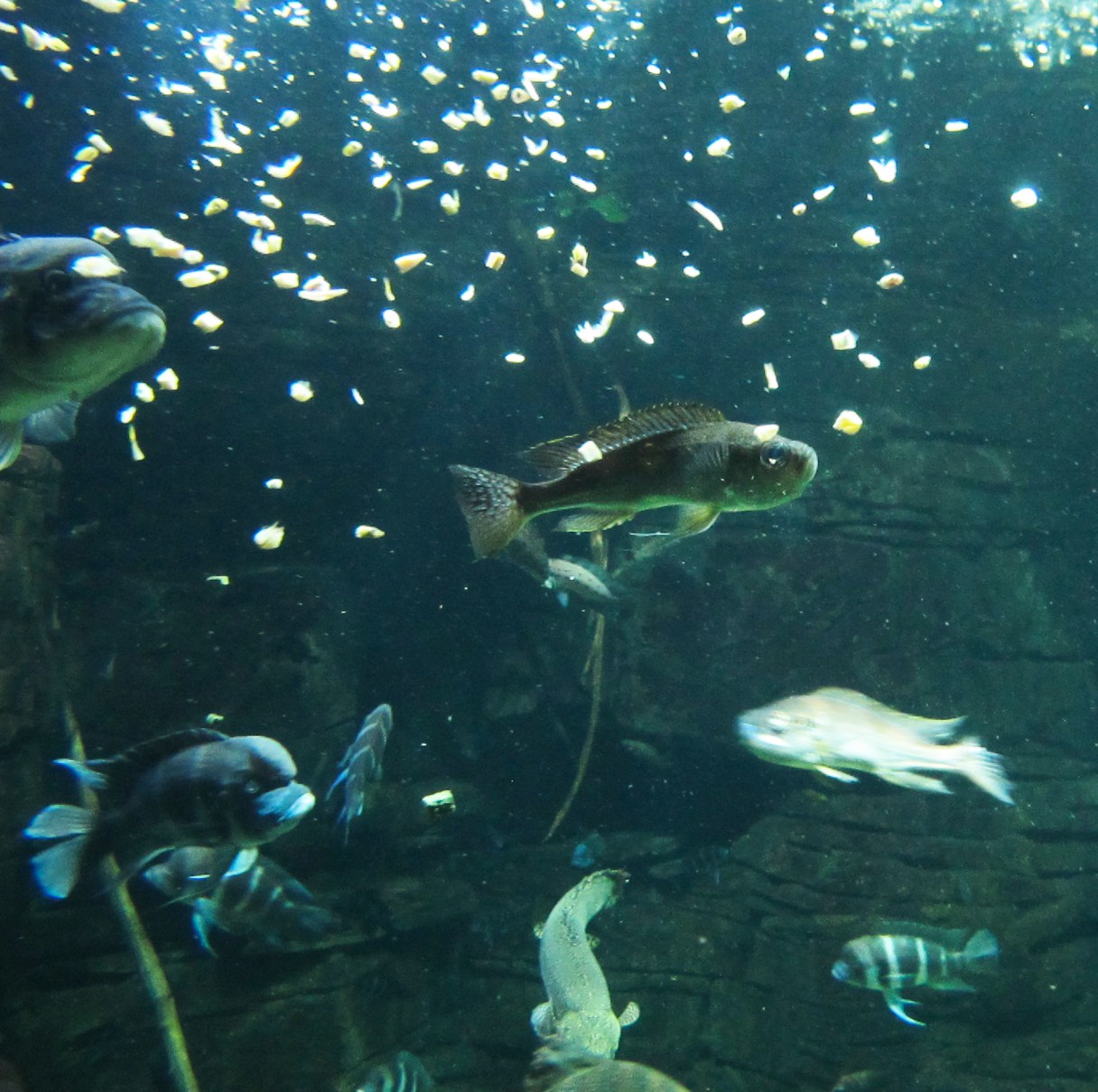
CHATTANOOGA, Tenn. (AP) – Hundreds of freshwater fish, mussels, crawfish and salamanders – many of them found nowhere else in the world – make their home in the U.S. Southeast. In one waterway alone, Tennessee’s Duck River, there are more fish species than in all of Europe.
But the species that creep, crawl and swim in these rivers and streams are also some of the most endangered on the planet, because much of the land those waterways flow through is in private hands with little protection.
Tennessee Aquarium Conservation Institute is the only research facility in the Southeast with a primary focus on saving freshwater animals. Until now, it has operated out of offices spread across the aquarium’s Chattanooga campus. But it is expanding this fall, with a new building equipped with research and teaching labs. Supported by admission, corporate gifts and grants, the nonprofit is working in states throughout the Southeast to both protect and draw public attention to these oft overlooked species.
“We are surrounded by an underwater rainforest,” said Tennessee Aquarium Conservation Institute Director Anna George. But unlike tropical rainforests, which most schoolchildren know are both full of life and threatened, few Americans are even aware of the rich diversity in their backyards – or the number of extinctions taking place there.
“If people aren’t appreciating what we have, they’re not going to take the time to protect it,” George added.