
DETROIT (AP) – Auto safety investigators in two countries have a new air bag problem to deal with.
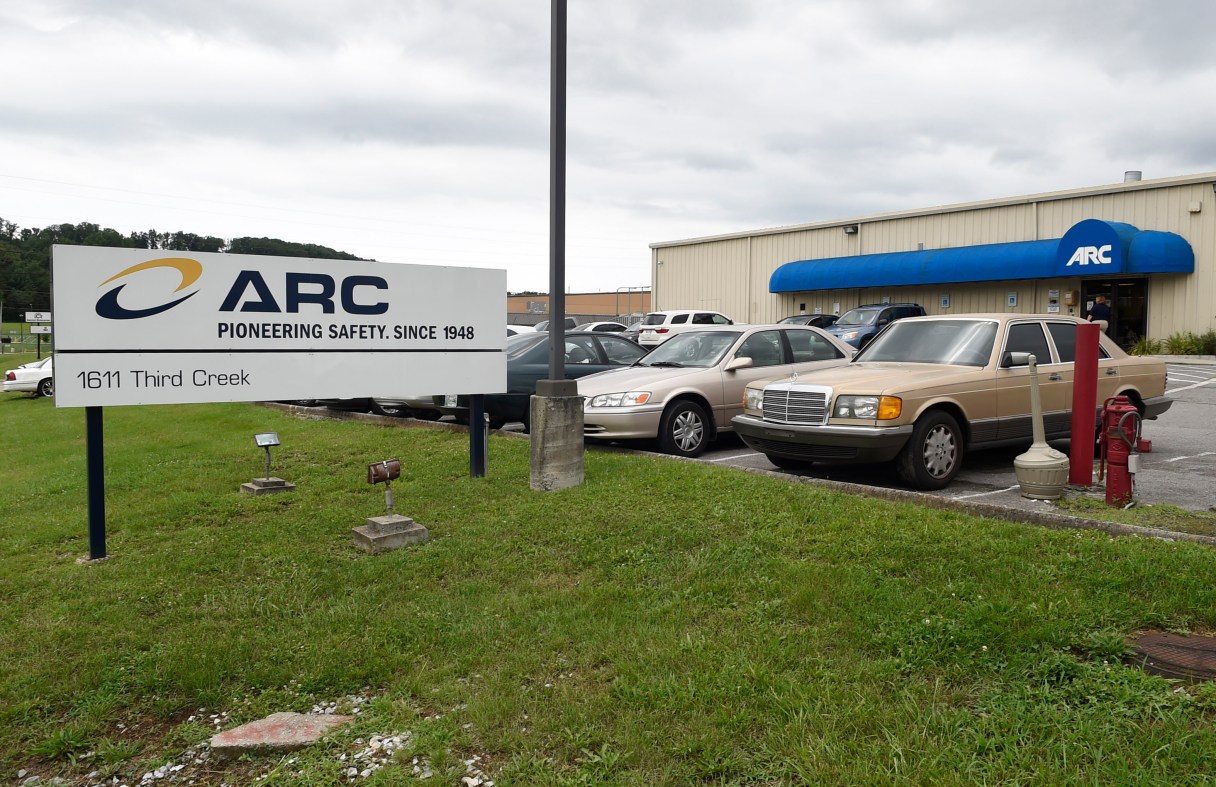
Investigators in the U.S. and Canada are looking into a crash in the Canadian province of Newfoundland in which a driver was killed by an exploding air bag inflator made by ARC Automotive Inc. of Knoxville, Tenn.
As many as 8 million ARC inflators are under scrutiny in the U.S., mainly in older cars. Although the results are similar, the problem is different from one that resulted in the recall of 69 million inflators in the U.S. made by Takata Corp.
Authorities say the Canadian driver was killed when the ruptured inflator sent metal shrapnel into the passenger cabin of a 2009 Hyundai Elantra. Investigators from both countries are trying to figure out why the inflator blew apart.
The death and new probes raise more questions about the safety of air bags, which rely on explosions that fill air bags to protect people in crashes. It also brought new urgency to an investigation opened last year by the U.S. National Highway Traffic Safety Administration after an Ohio woman was injured by an ARC inflator. The U.S. safety agency on Thursday upgraded its investigation to an engineering analysis, a step closer to a recall.