
Thursday, November 12, 2026Nov 12

If Trump can’t get along with GOP, how will he govern?

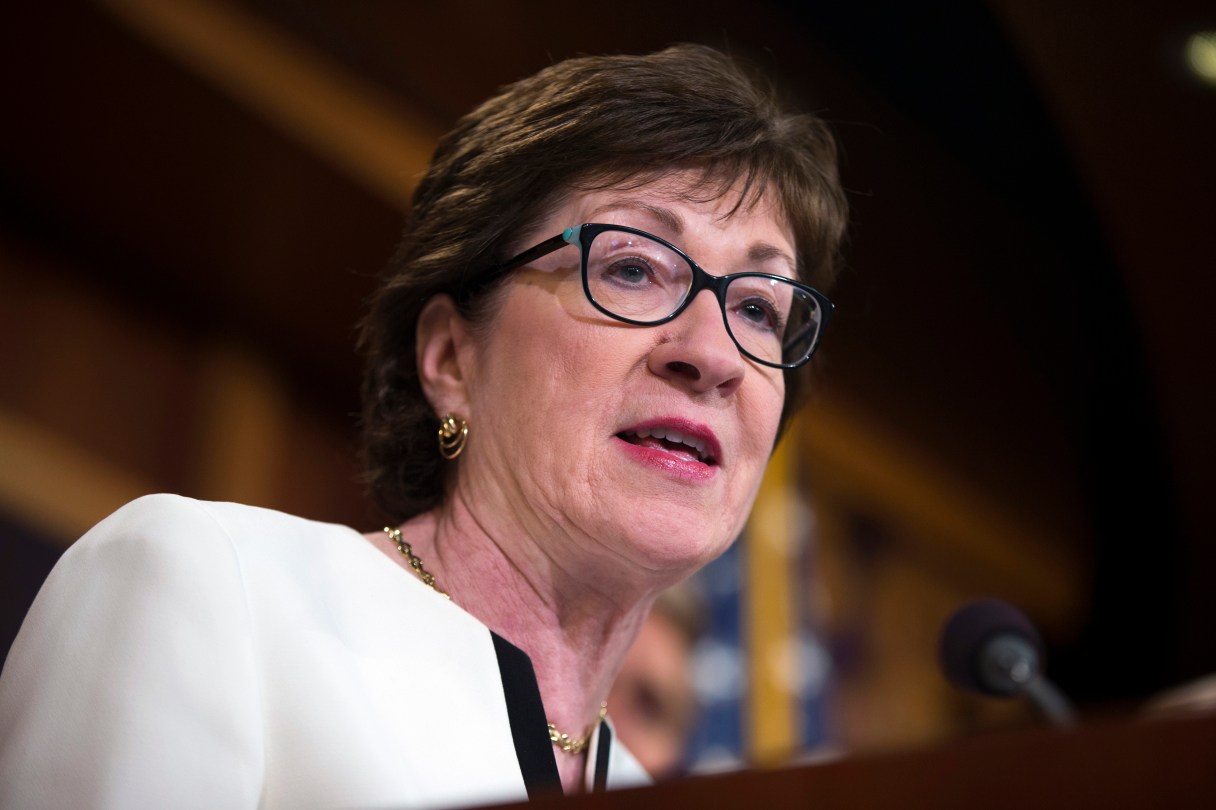
FILE - In this June 21, 2016, file photo, Sen. Susan Collins, R-Maine, speaks during a news conference on Capitol Hill in Washington. Beyond the political fallout from Donald Trump’s rocky relationship with party elders lies a fundamental reality: should he win the presidency, the brash billionaire will have to work closely with the same GOP leaders he vilified on the campaign trail. Trump’s unorthodox approach has triggered a steady stream of defections among longtime Republican officials and policy experts in recent days vowing not to vote for the Republican nominee under any circumstances. They include Collins. (AP Photo/Evan Vucci, File)
FILE - In this June 21, 2016, file photo, Sen. Susan Collins, R-Maine, speaks during a news conference on Capitol Hill in Washington. Beyond the political fallout from Donald Trump’s rocky relationship with party elders lies a fundamental reality: should he win the presidency, the brash billionaire will have to work closely with the same GOP leaders he vilified on the campaign trail. Trump’s unorthodox approach has triggered a steady stream of defections among longtime Republican officials and policy experts in recent days vowing not to vote for the Republican nominee under any circumstances. They include Collins. (AP Photo/Evan Vucci, File) FILE - In this June 21, 2016, file photo, Sen. Susan Collins, R-Maine, speaks during a news conference on Capitol Hill in Washington. Beyond the political fallout from Donald Trump’s rocky relationship with party elders lies a fundamental reality: should he win the presidency, the brash billionaire will have to work closely with the same GOP leaders he vilified on the campaign trail. Trump’s unorthodox approach has triggered a steady stream of defections among longtime Republican officials and policy experts in recent days vowing not to vote for the Republican nominee under any circumstances. They include Collins. (AP Photo/Evan Vucci, File)

WASHINGTON (AP) – Beyond the immediate fallout from his rocky relationship with party elders, there’s a longer-term reality for Donald Trump: Should he win the presidency, he’ll have to work closely with the same GOP leaders he’s vilified on the campaign trail.

He has taken modest steps in recent days to ease tensions, yet a growing chorus of experienced Republicans is warning that the billionaire businessman’s brash and divisive approach will make it difficult for him to govern effectively.

“He hasn’t been able to get along with his own party as the nominee. How is he going to get along with them when he has to govern?” asked Rick Tyler, a former aide to Ted Cruz’s presidential bid. “If Trump can’t get along with the sitting speaker, and has poor relationships with sitting members of the Legislature, the idea of fashioning a conservative legislative agenda seems to me virtually nonexistent.”

Tyler may not be an impartial observer. But it seems clear that Trump’s turbulent relationships with Republican leaders could take on greater significance after Election Day.

A President Trump may need Cruz – or “Lyin’ Ted” as Trump calls him – to help confirm his Supreme Court picks. He may need Florida Sen. Marco Rubio – or “Little Marco” – to help implement his immigration priorities. And President Trump’s broader governing agenda will surely require the cooperation of House Speaker Paul Ryan, whom Trump thrust into a political firestorm a week ago by refusing to endorse him.