
Saturday, November 7, 2026Nov 7

This story is free to read.

Donald Trump rattles Republican consensus in Utah

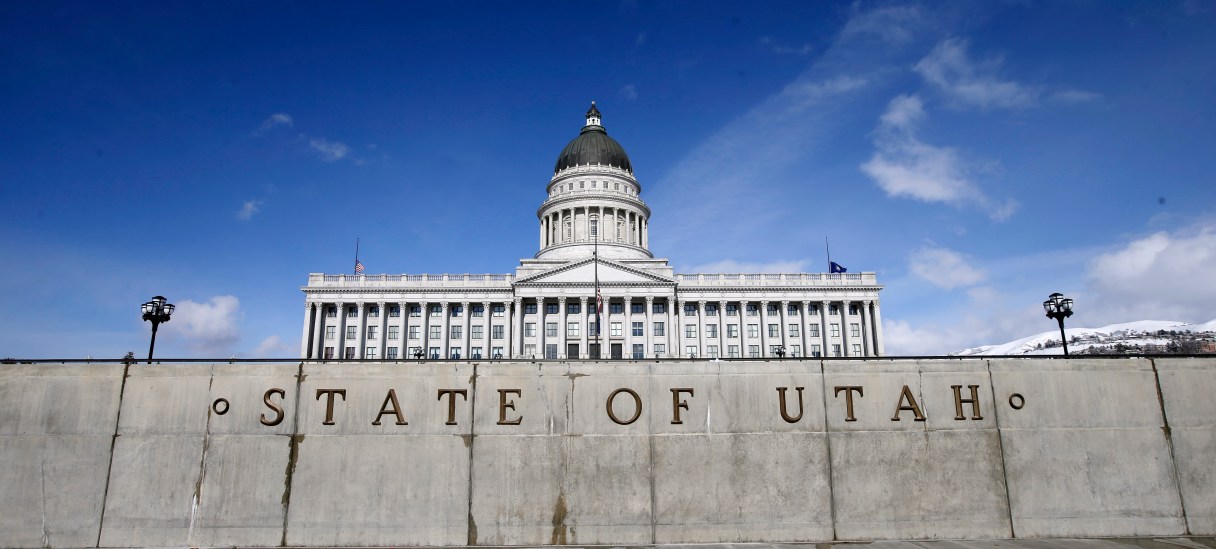
This Jan. 25, 2016, file photo, the Utah State Capitol is shown in Salt Lake City. Donald Trump has shattered the normal Republican consensus in Utah even more so than he has nationwide, activating fault lines under a normally stable electorate largely unified by a single religion. (AP Photo/Rick Bowmer, File)
This Jan. 25, 2016, file photo, the Utah State Capitol is shown in Salt Lake City. Donald Trump has shattered the normal Republican consensus in Utah even more so than he has nationwide, activating fault lines under a normally stable electorate largely unified by a single religion. (AP Photo/Rick Bowmer, File) This Jan. 25, 2016, file photo, the Utah State Capitol is shown in Salt Lake City. Donald Trump has shattered the normal Republican consensus in Utah even more so than he has nationwide, activating fault lines under a normally stable electorate largely unified by a single religion. (AP Photo/Rick Bowmer, File)

SALT LAKE CITY (AP) – Andy Rasmussen’s path seemed clear when it became apparent Donald Trump would win the Republican presidential nomination: he resigned his GOP leadership position in northern Utah and left the party to become an unaffiliated voter.

Now Rasmussen and thousands of Utah Republicans wary of Trump are left scrambling to settle on a candidate of choice come Election Day.

Utah is one of the most homogenous states in the nation with a predominant religion – Mormonism – which often inspires some level of political conformity.

Yet Trump has shattered the Republican consensus here, activating fault lines under even the most stable-looking electorate.

Rasmussen and other Republicans who outnumber Democrats nearly five-to-one among the state’s 1.3 million active voters are grappling with whether they distrust Trump or Democrat Hillary Clinton more.