
Thursday, November 12, 2026Nov 12

Greenpeace: Thai fishing boats sail far to avoid regulations

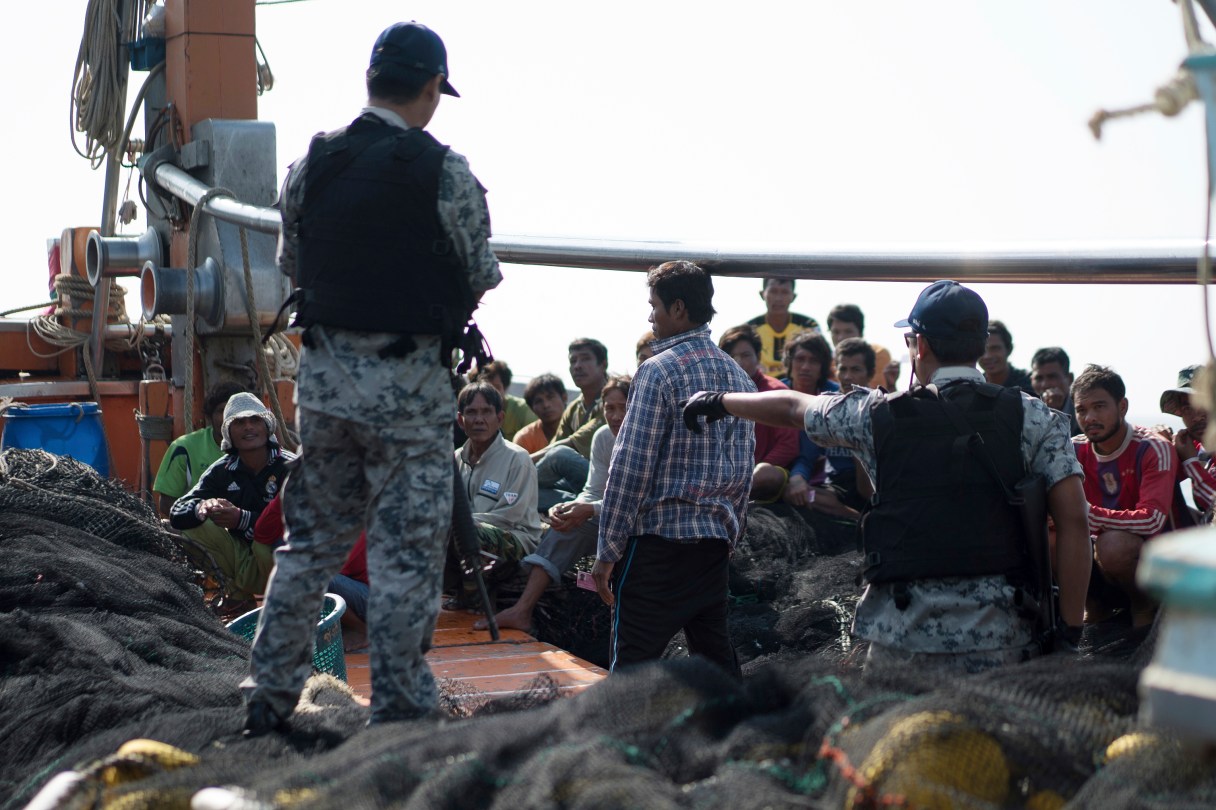
FILE - In this Friday, Dec. 9, 2016, file photo, Thai navy officers check the crew of a fishing boat in the waters off the coast of Samut Sakhon, Thailand. Thai fishing boats blocked from Indonesian waters following reports of worker abuses are now traveling thousands of miles to the western Indian Ocean to fish, but the abuses continue, Greenpeace said in a report released Thursday. (AP Photo/Dake Kang, File)
FILE - In this Friday, Dec. 9, 2016, file photo, Thai navy officers check the crew of a fishing boat in the waters off the coast of Samut Sakhon, Thailand. Thai fishing boats blocked from Indonesian waters following reports of worker abuses are now traveling thousands of miles to the western Indian Ocean to fish, but the abuses continue, Greenpeace said in a report released Thursday. (AP Photo/Dake Kang, File) FILE - In this Friday, Dec. 9, 2016, file photo, Thai navy officers check the crew of a fishing boat in the waters off the coast of Samut Sakhon, Thailand. Thai fishing boats blocked from Indonesian waters following reports of worker abuses are now traveling thousands of miles to the western Indian Ocean to fish, but the abuses continue, Greenpeace said in a report released Thursday. (AP Photo/Dake Kang, File)

BANGKOK (AP) – The six men lay in red body bags, lined up on a concrete dock. The first died almost three weeks before his ship reached Thailand; the last almost made it alive but died the day before the ship docked.

They were Thai and Cambodian fishermen who had succumbed to beriberi, a disease better known for striking sailors more than a century ago. But their deaths, says a Greenpeace report released Thursday, are part of an all-too modern scourge – Thai fishing fleets operating thousands of kilometers (miles) from home in unregulated waters to dodge government oversight over illegal fishing and onboard human rights abuses.

Thailand has responded to problems in the industry by grounding its overseas fleet and ordering tracking equipment installed on the vessels.

The two ships carrying the dead had left Thailand in the first few months of 2015, according to an earlier Thai government report. They parked themselves off the coast of Madagascar, where they stayed for months. They transferred their catch to “reefers,” refrigerated cargo ships, to avoid government regulators while still getting their fish to market.

Supply ships brought the fishermen fresh food once every couple of months. But they didn’t come often enough.