
Thursday, October 29, 2026Oct 29

This story is free to read.

Obama expands environmental legacy with 2 Western monuments

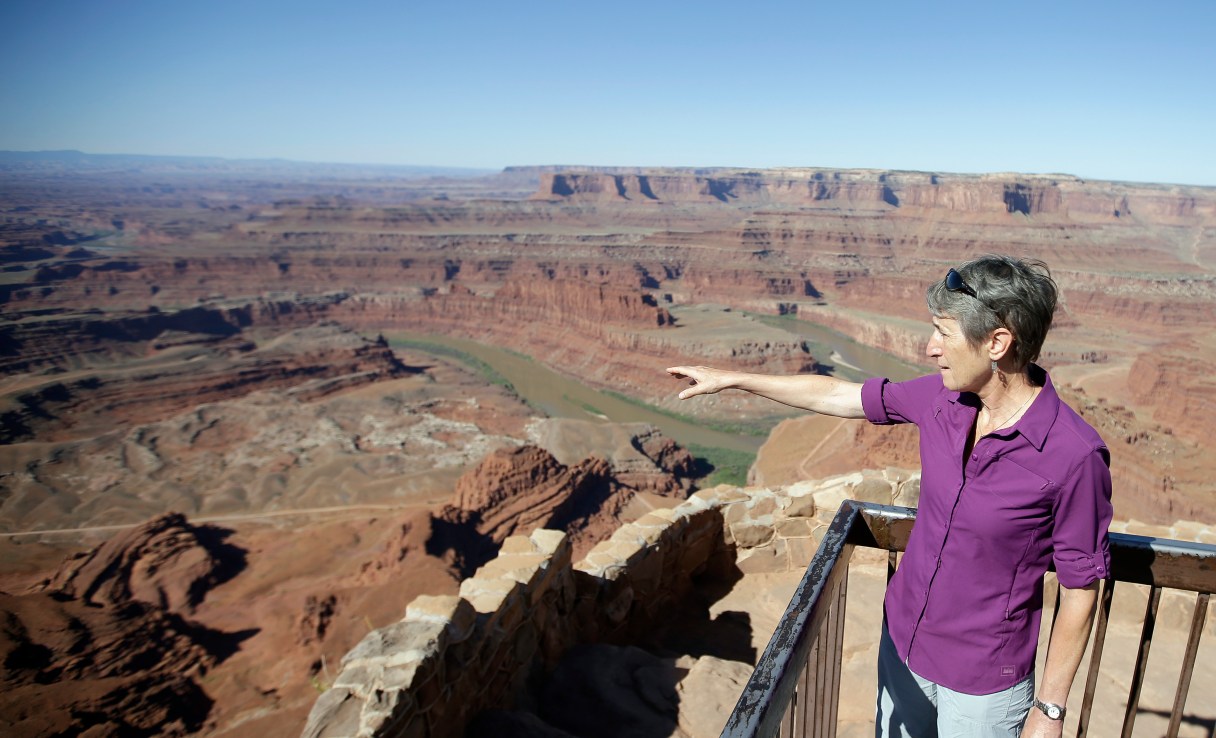
FILE - This July 14, 2016, file photo, U.S. Interior Secretary Sally Jewell looks from Dead Horse Point, near Moab, Utah, during a tour to meet with proponents and opponents to the "Bears Ears" monument proposal. President Barack Obama designated two national monuments Wednesday, Dec. 28, at sites in Utah and Nevada that have become key flashpoints over use of public land in the U.S. West. (AP Photo/Rick Bowmer, File)
FILE - This July 14, 2016, file photo, U.S. Interior Secretary Sally Jewell looks from Dead Horse Point, near Moab, Utah, during a tour to meet with proponents and opponents to the "Bears Ears" monument proposal. President Barack Obama designated two national monuments Wednesday, Dec. 28, at sites in Utah and Nevada that have become key flashpoints over use of public land in the U.S. West. (AP Photo/Rick Bowmer, File) FILE - This July 14, 2016, file photo, U.S. Interior Secretary Sally Jewell looks from Dead Horse Point, near Moab, Utah, during a tour to meet with proponents and opponents to the "Bears Ears" monument proposal. President Barack Obama designated two national monuments Wednesday, Dec. 28, at sites in Utah and Nevada that have become key flashpoints over use of public land in the U.S. West. (AP Photo/Rick Bowmer, File)

SALT LAKE CITY (AP) – President Barack Obama expanded his environmental legacy in the final days of his presidency with national monuments designations on lands in Utah and Nevada that have become flashpoints over use of public land in the U.S. West.

The Bears Ears National Monument in Utah will cover 1.35 million acres in the Four Corners region, the White House announced Wednesday. In a victory for Native American tribes and conservationists, the designation protects land that is considered sacred and is home to an estimated 100,000 archaeological sites, including ancient cliff dwellings.

It’s a blow for state Republican leaders and many rural residents who say it will add another layer of unnecessary federal control and close the area to new energy development, a common refrain in the battle over use of the American West’s vast open spaces. Utah’s attorney general vowed to sue.

In Nevada, a 300,000-acre Gold Butte National Monument outside Las Vegas would protect a scenic and ecologically fragile area near where rancher Cliven Bundy led an armed standoff with government agents in 2014. It includes rock art, artifacts, rare fossils and recently discovered dinosaur tracks.

The White House and conservationists said both sites were at risk of looting and vandalism.