
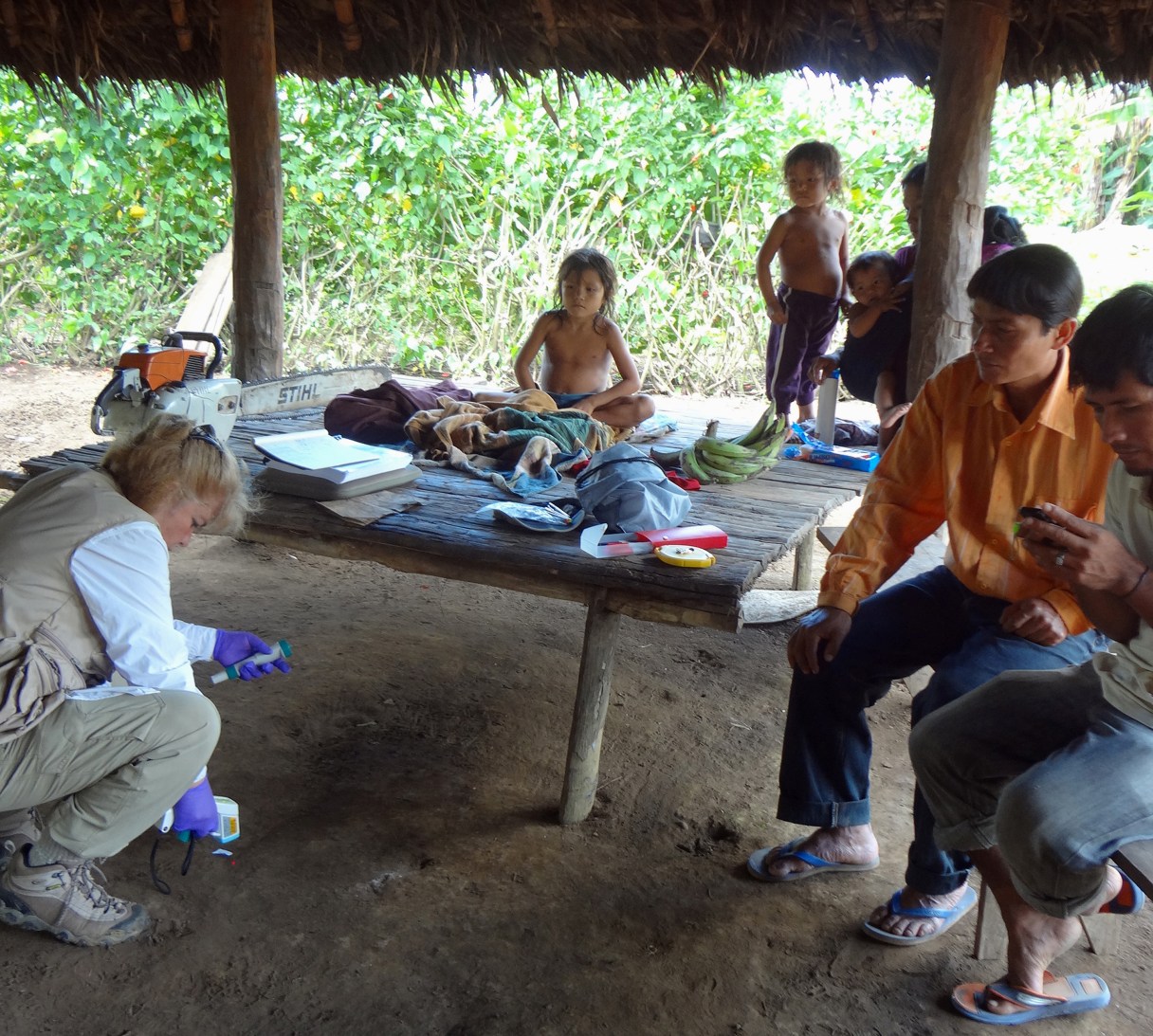
WASHINGTON (AP) – Whether it’s a jungle hut or a high-rise apartment, your home is covered in bacteria, and new research from the Amazon suggests city dwellers might want to open a window.
Scientists traveled from remote villages in Peru to a large Brazilian city to begin tracking the effects of urbanization on the diversity of bacteria in people’s homes. It’s a small first step in a larger quest – understanding how different environmental bugs help shape what’s called our microbiome, the trillions of bacteria that share our bodies and play a critical role in our health.
“Very little is known about the microbes of the built environment,” microbiologist Maria Gloria Dominguez-Bello of New York University, who led the pilot study, said at a meeting of the American Association for the Advancement of Science.
Her team found that as people living in the Amazon rainforest become more urbanized, the kinds of bacteria in their homes change from the bugs mostly found in nature to those that typically live on people, she reported Friday.
In fact, in city dwellings, the researchers could tell just by the microbial fingerprints of the walls that “this is a kitchen or this is a bathroom or this is a living room. That’s amazing,” Dominguez-Bello said.