
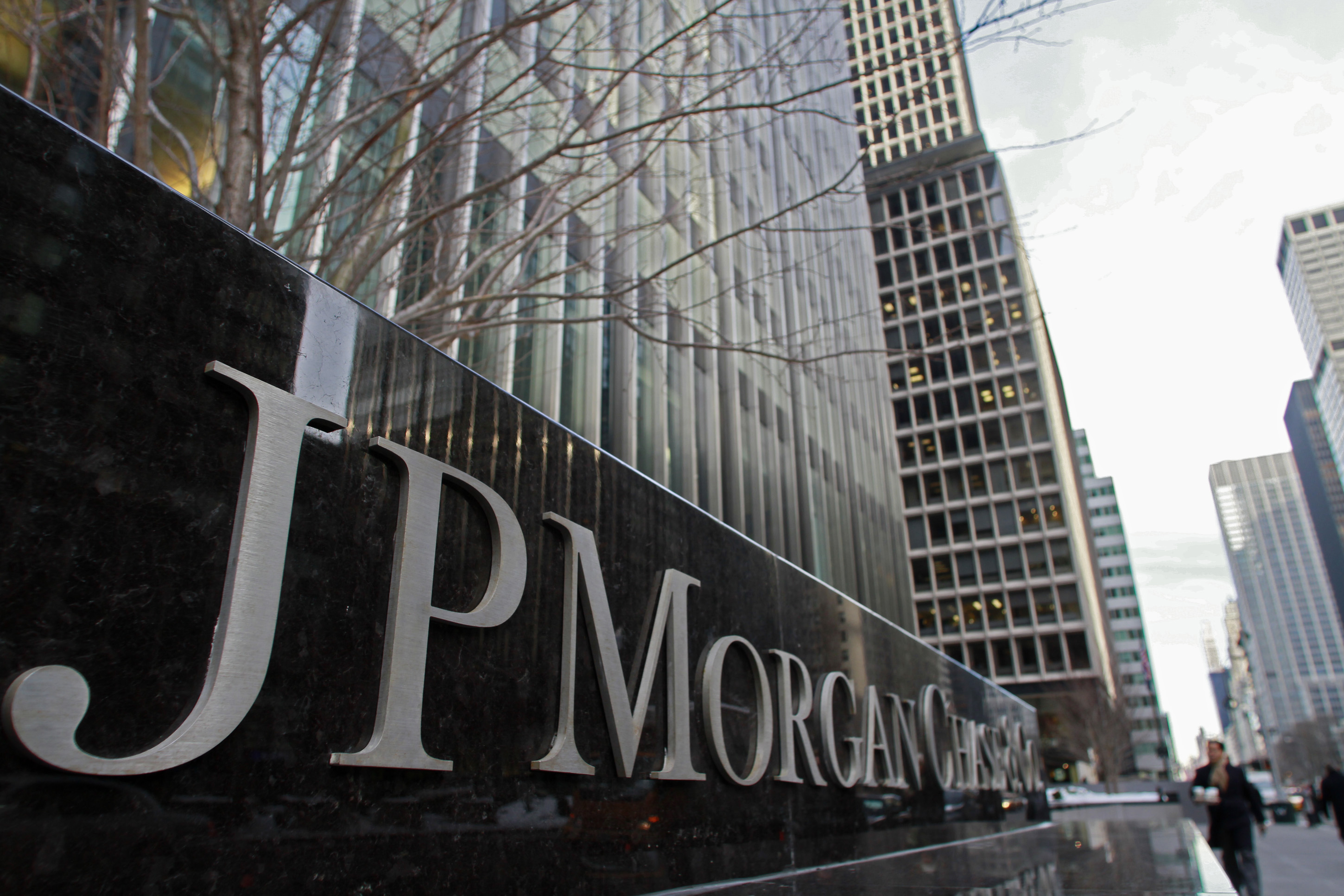
 FILE – This Feb. 4, 2011, file photo, shows a JP Morgan Chase building sign in New York. Expressing concern for global financial markets David Lebovitz, who advises on market strategies for JP Morgan Funds, says “You have pretty sluggish growth globally. You dont really have any inflation. And you have a lot of uncertainty.” (AP Photo/Bebeto Matthews, FILE)
WASHINGTON – Eight years after the financial crisis, the world is coming to grips with an unpleasant realization: serious weaknesses still plague the global economy, and emergency help may not be on the way.
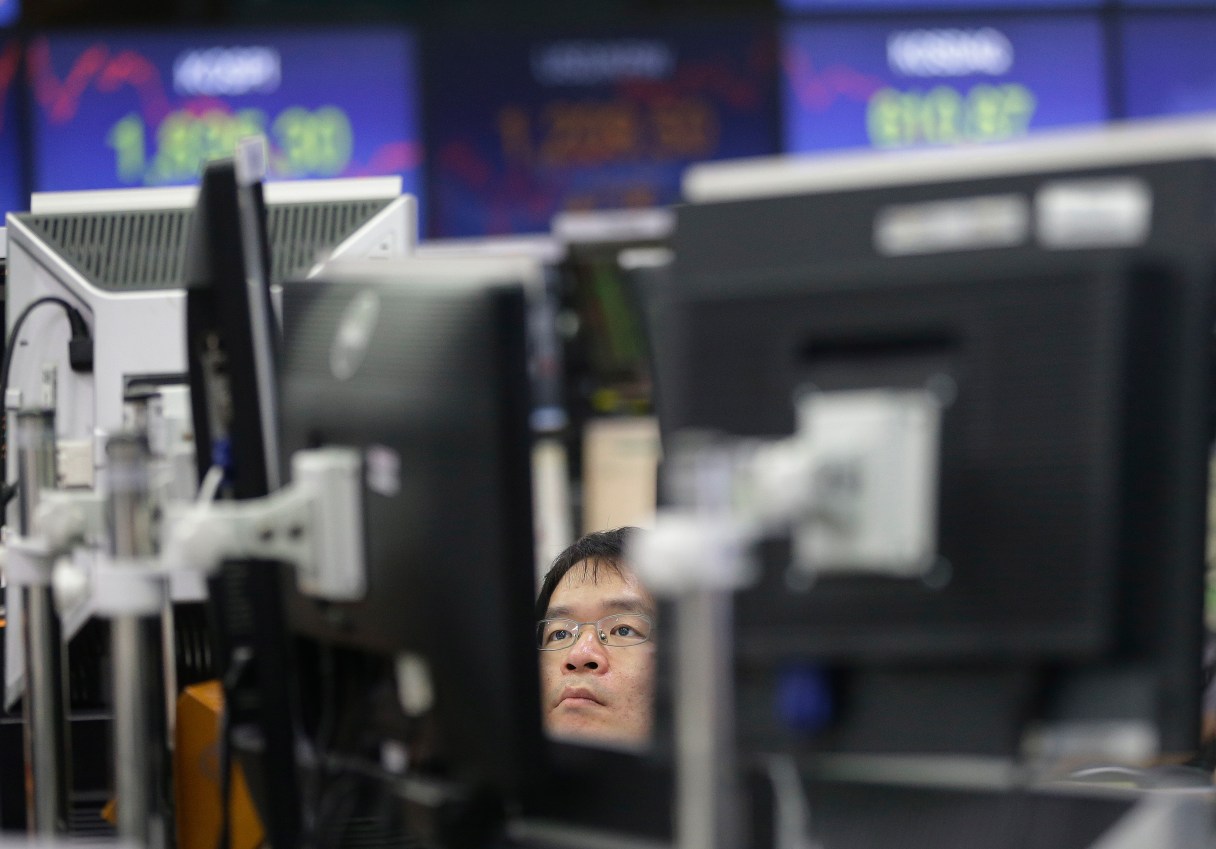
Sinking stock prices, flat inflation, and the bizarre phenomenon of negative interest rates have coupled with a downturn in emerging markets to raise worries that the economy is being stalked by threats that central banks – the saviors during the crisis – may struggle to cope with.
Meanwhile, commercial banks are again a source of concern, especially in Europe. Banks were the epicenter of the 2007-9 crisis, which started over excessive loans to homeowners with shaky credit in the United States and then swept the globe into recession.
“You have pretty sluggish growth globally. You don’t really have any inflation. And you have a lot of uncertainty,” says David Lebovitz, who advises on market strategies for JP Morgan Funds.
Some of the recent tumult may be an overreaction by investors. And the rock-bottom interest rates are partly a result of easy money policies by central banks doing their best to stimulate growth.