
Tuesday, November 10, 2026Nov 10

Record number of astronaut wannabes apply to NASA _ 18,300

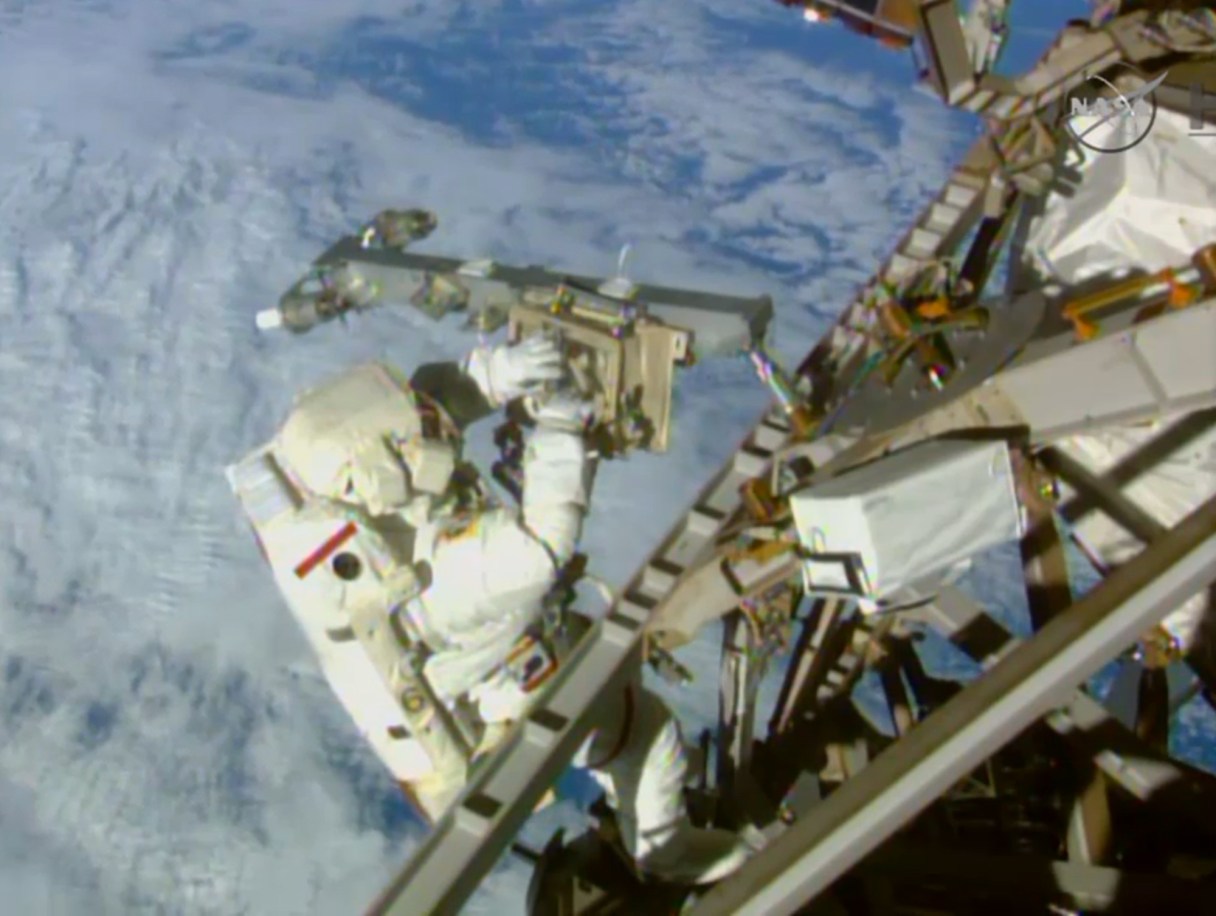
In this Sunday, March 1, 2015 image made from video provided by NASA, astronaut Terry Virts installs an antenna and boom during a spacewalk outside the International Space Station. On Friday, Feb. 19, 2016, NASA announced it received a record number of applicants _ some 18,300 _ for its next astronaut class. That’s more than double the previous record of 8,000 for the first space shuttle astronaut class in 1978. (AP Photo/NASA-TV)
In this Sunday, March 1, 2015 image made from video provided by NASA, astronaut Terry Virts installs an antenna and boom during a spacewalk outside the International Space Station. On Friday, Feb. 19, 2016, NASA announced it received a record number of applicants _ some 18,300 _ for its next astronaut class. That’s more than double the previous record of 8,000 for the first space shuttle astronaut class in 1978. (AP Photo/NASA-TV) In this Sunday, March 1, 2015 image made from video provided by NASA, astronaut Terry Virts installs an antenna and boom during a spacewalk outside the International Space Station. On Friday, Feb. 19, 2016, NASA announced it received a record number of applicants _ some 18,300 _ for its next astronaut class. That’s more than double the previous record of 8,000 for the first space shuttle astronaut class in 1978. (AP Photo/NASA-TV)

CAPE CANAVERAL, Fla. (AP) – Space travel never looked so good.

NASA announced Friday it received a record number of applicants – some 18,300 – for its next astronaut class. That’s more than double the previous record of 8,000 for the first space shuttle astronaut class in 1978. This time, NASA hit social media hard to promote the openings.

The odds of getting picked are small; only eight to 14 Americans will be chosen. NASA expects it will take 1½ years to whittle down the list.

Like the eight-member Class of 2013, the future astronauts will train to fly to the International Space Station on capsules under development by SpaceX and Boeing, as well as on NASA’s Orion spacecraft intended for deep-space exploration.

The two-month application period closed Thursday.