
Thursday, October 29, 2026Oct 29

This story is free to read.

Russian doping official planned book before sudden death

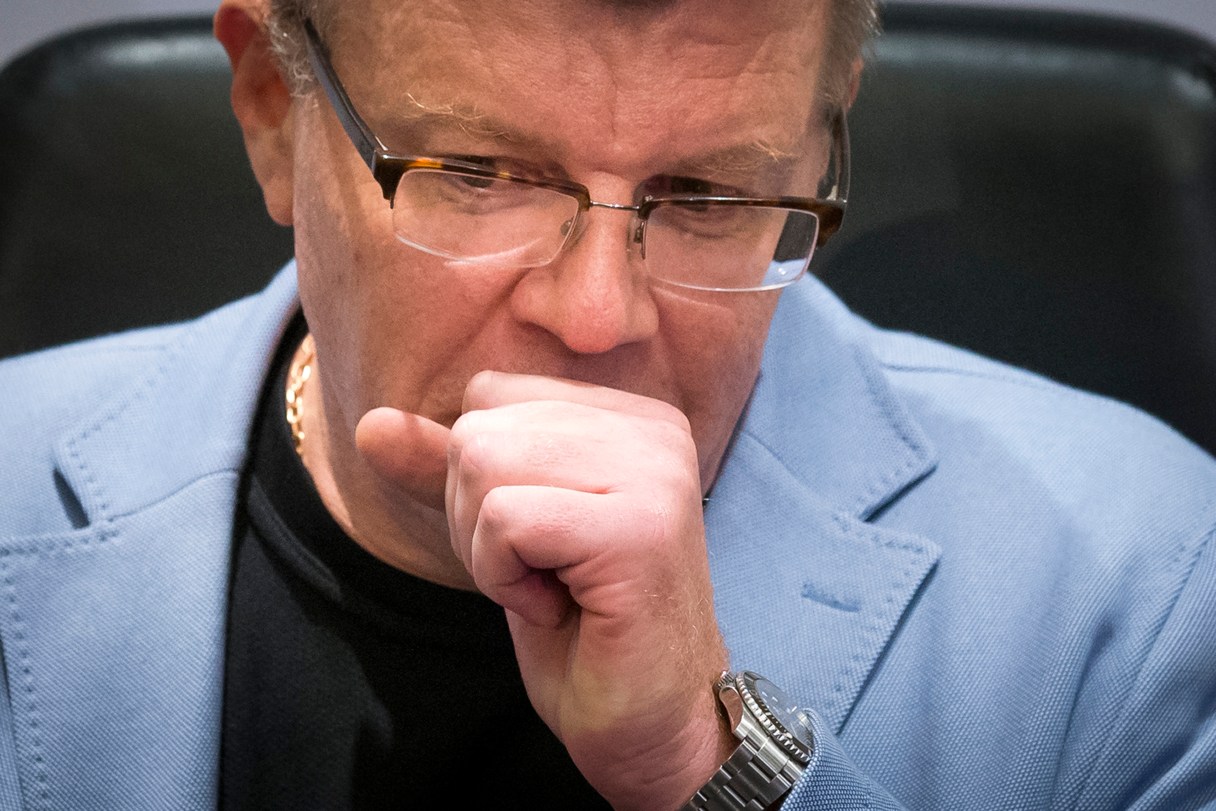
FILE - In this Nov. 10, 2015, file photo, Nikita Kamaev, then managing director of Russian Anti-Doping Agency RUSADA, listens to a journalist's questions at the agency headquarters in Moscow. Kamaev, the former executive director of the Russian anti-doping agency planned to write a book on drug use in sports shortly before his sudden death, a former colleague and Britain’s Sunday Times newspaper reported Sunday, Feb. 21, 2016. (AP Photo/Alexander Zemlianichenko, File)
FILE - In this Nov. 10, 2015, file photo, Nikita Kamaev, then managing director of Russian Anti-Doping Agency RUSADA, listens to a journalist's questions at the agency headquarters in Moscow. Kamaev, the former executive director of the Russian anti-doping agency planned to write a book on drug use in sports shortly before his sudden death, a former colleague and Britain’s Sunday Times newspaper reported Sunday, Feb. 21, 2016. (AP Photo/Alexander Zemlianichenko, File) FILE - In this Nov. 10, 2015, file photo, Nikita Kamaev, then managing director of Russian Anti-Doping Agency RUSADA, listens to a journalist's questions at the agency headquarters in Moscow. Kamaev, the former executive director of the Russian anti-doping agency planned to write a book on drug use in sports shortly before his sudden death, a former colleague and Britain’s Sunday Times newspaper reported Sunday, Feb. 21, 2016. (AP Photo/Alexander Zemlianichenko, File)

MOSCOW (AP) – The former executive director of the Russian anti-doping agency planned to write a book on drug use in sports shortly before his sudden death, a former colleague and Britain’s Sunday Times newspaper reported Sunday.

Sunday Times sportswriter David Walsh, renowned for his coverage of cycling champion Lance Armstrong’s doping, reported that Kamaev wrote to him in November offering to reveal information on doping covering the last three decades since Kamaev began work for a “secret lab” in the Soviet Union.

Kamaev’s former boss at the RUSADA agency, Ramil Khabriev, told Russia’s Tass agency that Kamaev planned a book but abandoned it because an “American publisher” had demanded too much influence over its contents.

Kamaev died Feb. 14, aged 52, of what the Russian anti-doping agency called a “massive heart attack.”

In Walsh’s account, Kamaev was quick to contact The Sunday Times after a World Anti-Doping Agency commission accused RUSADA of helping to cover up doping by top Russian athletes as part of a systematic, state-sponsored program of drug use.