
Thursday, October 29, 2026Oct 29

This story is free to read.

Basic software that held key to shooter’s iPhone went unused

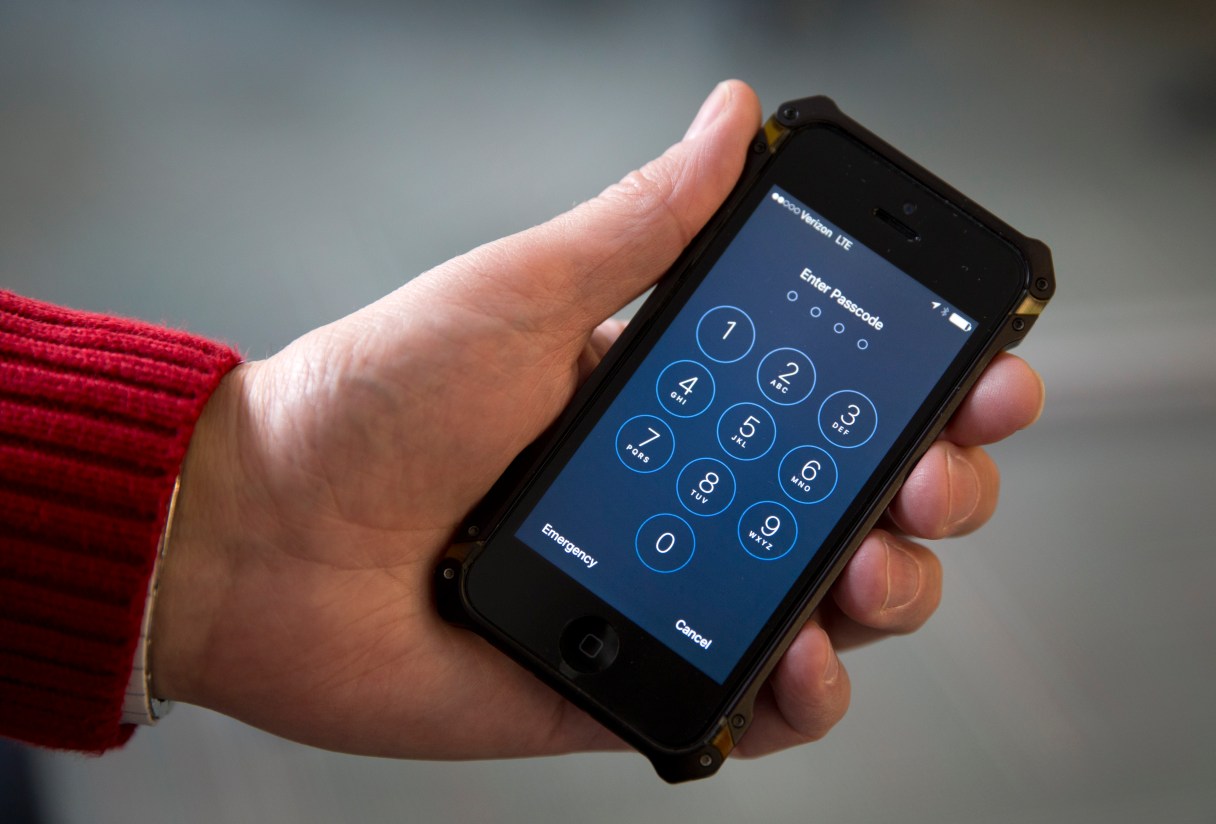
An iPhone is seen in Washington, Wednesday, Feb. 17, 2016.  The San Bernardino County-owned iPhone at the center of an unfolding high-profile legal battle between Apple Inc. and the U.S. government lacked a device management feature bought by the county that, if installed, would have allowed investigators easy and immediate access.  (AP Photo/Carolyn Kaster)
An iPhone is seen in Washington, Wednesday, Feb. 17, 2016. The San Bernardino County-owned iPhone at the center of an unfolding high-profile legal battle between Apple Inc. and the U.S. government lacked a device management feature bought by the county that, if installed, would have allowed investigators easy and immediate access. (AP Photo/Carolyn Kaster) An iPhone is seen in Washington, Wednesday, Feb. 17, 2016. The San Bernardino County-owned iPhone at the center of an unfolding high-profile legal battle between Apple Inc. and the U.S. government lacked a device management feature bought by the county that, if installed, would have allowed investigators easy and immediate access. (AP Photo/Carolyn Kaster)

WASHINGTON (AP) – The county government that owned the iPhone in a high-profile legal battle between Apple Inc. and the Justice Department paid for but never installed a feature that would have allowed the FBI to easily and immediately unlock the phone as part of the terrorism investigation into the shootings that killed 14 people in San Bernardino, California.

If the technology, known as mobile device management, had been installed, San Bernardino officials would have been able to remotely unlock the iPhone for the FBI without the theatrics of a court battle that is now pitting digital privacy rights against national security concerns.

The service costs $4 per month per phone.

Instead, the only person who knew the unlocking passcode for the phone is the dead gunman, Syed Farook, who worked as an inspector in the county’s public health department.

The iPhone assigned to Farook also lacked a Touch ID feature, meaning the FBI cannot use the dead gunman’s thumbprint to unlock it now. The FBI found the phone in a car after the shootings.