
Thursday, October 29, 2026Oct 29

This story is free to read.

Alaska regulators to take applications for pot businesses

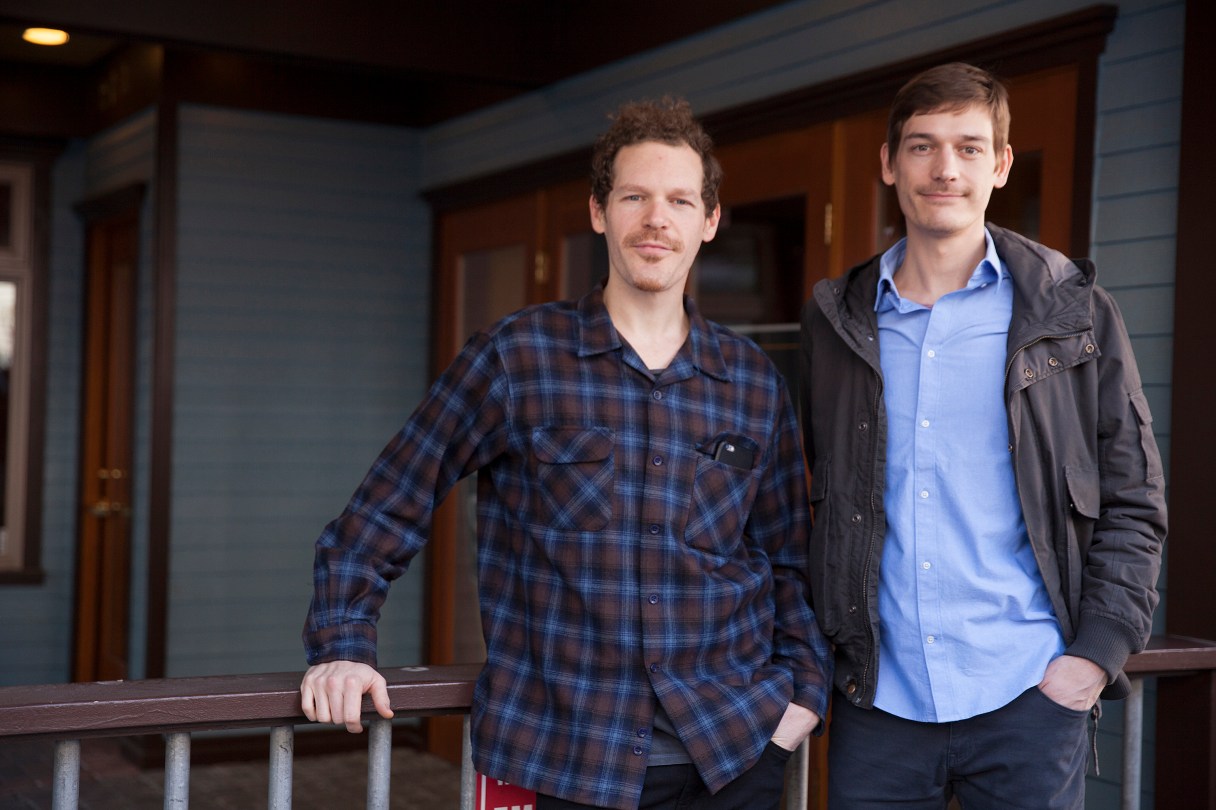
Giono Barrett, left, and James Barrett stand outside of the shop that will be a downtown retail storefront for their marijuana business, Rainforest Farms, Tuesday, Feb. 23, 2016, in Juneau, Alaska. A state board tasked with regulating Alaska's nascent legal pot industry will begin taking business license applications Wednesday, setting the stage for legal sales set to occur later this year.  (AP Photo/Rashah McChesney)
Giono Barrett, left, and James Barrett stand outside of the shop that will be a downtown retail storefront for their marijuana business, Rainforest Farms, Tuesday, Feb. 23, 2016, in Juneau, Alaska. A state board tasked with regulating Alaska's nascent legal pot industry will begin taking business license applications Wednesday, setting the stage for legal sales set to occur later this year. (AP Photo/Rashah McChesney) Giono Barrett, left, and James Barrett stand outside of the shop that will be a downtown retail storefront for their marijuana business, Rainforest Farms, Tuesday, Feb. 23, 2016, in Juneau, Alaska. A state board tasked with regulating Alaska's nascent legal pot industry will begin taking business license applications Wednesday, setting the stage for legal sales set to occur later this year. (AP Photo/Rashah McChesney)

JUNEAU, Alaska (AP) – A regulatory board in Alaska on Wednesday will begin accepting applications for marijuana business licenses – the next step in setting up the state’s legal pot industry.

Leif Abel has the date marked on his calendar. He and his partners have been building a facility on the Kenai Peninsula for their company, Greatland Ganja. To apply for a license, prospective business operators need to have secured a site.

That has proven to be a challenge in some parts of the state due to location and zoning restrictions, local community bans or wary property owners.

Abel, who is with the Coalition for Responsible Cannabis Legislation, said there’s a lot of risk for would-be business owners.

“I would say that your average business person would look at it and turn around and do something that was much less risky,” said Abel, who also farms and has a building company.