
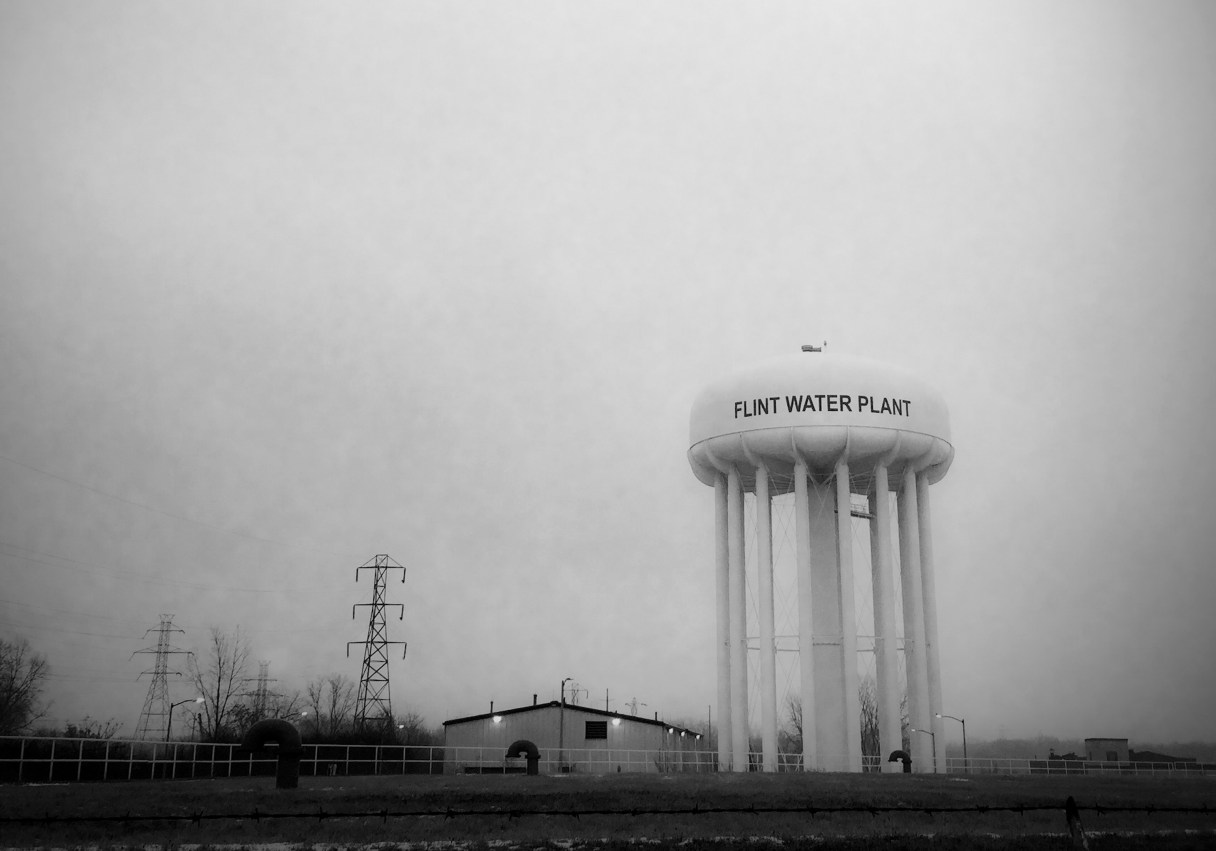
Flint’s mayor has floated a shockingly high price tag to fix the Michigan city’s lead-contamination problem: $1.5 billion to replace damaged pipes. Gov. Rick Snyder put the figure at $700 million.
In the meantime, officials and water experts are hopeful that there is a less drastic and far cheaper step – using a chemical to recoat existing pipes and contain the lead. If it works, that could make the water safe enough to drink until the damage to the system can be fully assessed.
The problem is that nobody knows how badly the pipes were damaged after the state’s disastrous decision in 2014 to use the Flint River as the city’s drinking water source without adding a chemical to control corrosion. That caused lead to leach into the water for a year and a half and contributed to a spike in child lead poisoning before city and state officials fully acknowledged the problem.
“I don’t think anybody knows how long it will take or the amount of corrosion built up in the pipes,” longtime city Councilman Scott Kincaid said.
The city last fall resumed buying Detroit water, drawn from Lake Huron, and experts said they believe lead levels are already dropping with the addition of phosphate, which helps form an interior coating on the pipes to prevent lead leaching.