
Friday, November 6, 2026Nov 6

This story is free to read.

GOP lawmakers seek to end purchase of Russian rocket engines

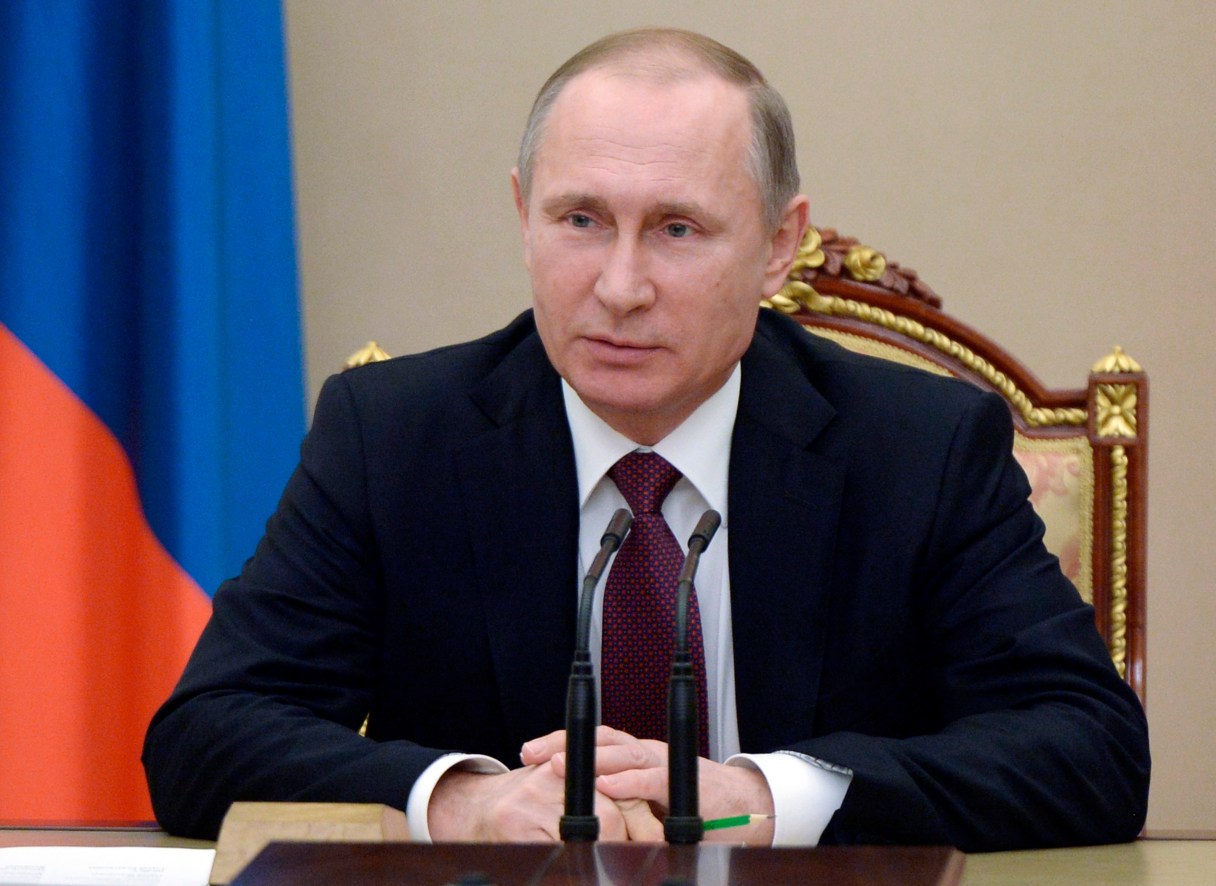
FILE - In this Jan. 22, 2016, file photo, Russian President Vladimir Putin chairs a government meeting in the Kremlin in Moscow, Russia. American tax dollars should not subsidize the purchase of Russian rocket engines because the sales help enrich the friends of Putin, say two senior Republican lawmakers who aim to reverse the current practice. (Alexei Nikolsky/Sputnik, Kremlin Pool Photo via AP)
FILE - In this Jan. 22, 2016, file photo, Russian President Vladimir Putin chairs a government meeting in the Kremlin in Moscow, Russia. American tax dollars should not subsidize the purchase of Russian rocket engines because the sales help enrich the friends of Putin, say two senior Republican lawmakers who aim to reverse the current practice. (Alexei Nikolsky/Sputnik, Kremlin Pool Photo via AP) FILE - In this Jan. 22, 2016, file photo, Russian President Vladimir Putin chairs a government meeting in the Kremlin in Moscow, Russia. American tax dollars should not subsidize the purchase of Russian rocket engines because the sales help enrich the friends of Putin, say two senior Republican lawmakers who aim to reverse the current practice. (Alexei Nikolsky/Sputnik, Kremlin Pool Photo via AP)

WASHINGTON (AP) – Two senior Republican lawmakers say they don’t want American tax dollars used for subsidizing the purchase of Russian rocket engines because the sales enrich the friends of President Vladimir Putin.

House Majority Leader Kevin McCarthy of California and Sen. John McCain of Arizona say they will introduce legislation to repeal a provision they say allows the unlimited purchase of the engines from a Russian company controlled by Putin’s “top cronies.”

They say Moscow shouldn’t be rewarded after its invasion of Ukraine’s Crimea region and its continued support for Syrian President Bashar Assad.

McCain says the provision was “secretly” inserted into a government-wide spending bill passed by Congress in December.

Proponents of the Russian engine say it fills a crucial gap while the U.S. improves its space launch capabilities.