
Tuesday, November 3, 2026Nov 3

This story is free to read.

Scientists: Vibrant US marine reserve now a coral graveyard

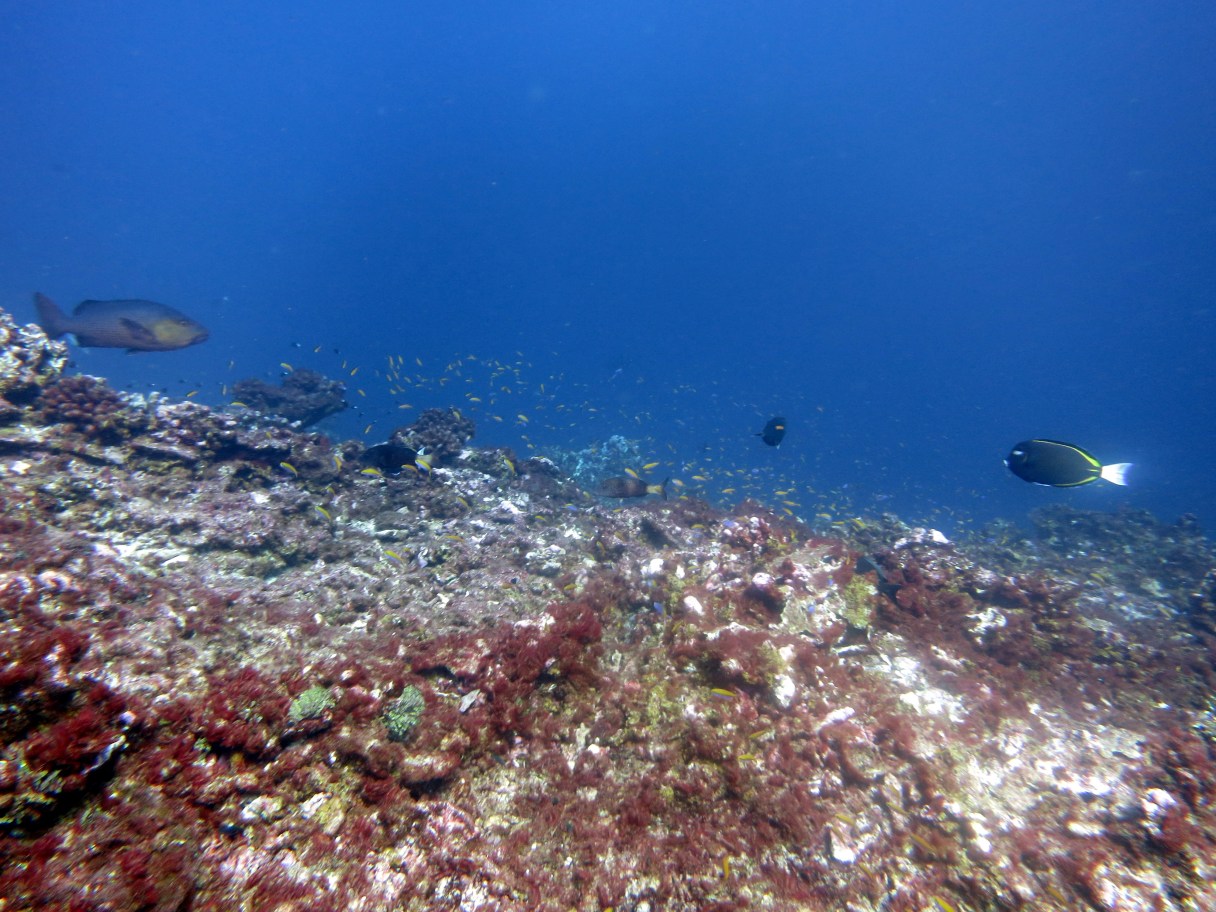
This photo provided by NOAA, taken in May 2016 shows bleaching and some dead coral around Jarvis Island, which is part of the U.S. Pacific Remote Marine National Monument. Scientists found 95 percent of the coral is dead in what had been one of the world’s most lush and isolated tropical marine reserve. Researchers finishing an emergency U.S. government undersea expedition Wednesday described what they called a graveyard of coral around Jarvis Island in the Pacific Remote Island Marine National Monument. Normally, a unique ocean current brings cold water up from the deep to make that underwater region vibrant with coral, nutrients, fish and sharks (NOAA/Bernardo Vargas-Angel via AP)
This photo provided by NOAA, taken in May 2016 shows bleaching and some dead coral around Jarvis Island, which is part of the U.S. Pacific Remote Marine National Monument. Scientists found 95 percent of the coral is dead in what had been one of the world’s most lush and isolated tropical marine reserve. Researchers finishing an emergency U.S. government undersea expedition Wednesday described what they called a graveyard of coral around Jarvis Island in the Pacific Remote Island Marine National Monument. Normally, a unique ocean current brings cold water up from the deep to make that underwater region vibrant with coral, nutrients, fish and sharks (NOAA/Bernardo Vargas-Angel via AP) This photo provided by NOAA, taken in May 2016 shows bleaching and some dead coral around Jarvis Island, which is part of the U.S. Pacific Remote Marine National Monument. Scientists found 95 percent of the coral is dead in what had been one of the world’s most lush and isolated tropical marine reserve. Researchers finishing an emergency U.S. government undersea expedition Wednesday described what they called a graveyard of coral around Jarvis Island in the Pacific Remote Island Marine National Monument. Normally, a unique ocean current brings cold water up from the deep to make that underwater region vibrant with coral, nutrients, fish and sharks (NOAA/Bernardo Vargas-Angel via AP)

WASHINGTON (AP) – Scientists found most of the coral is dead in what had been one of the world’s most lush and isolated tropical marine reserve.

Researchers finishing an emergency undersea expedition Wednesday described what they called a graveyard of coral around Jarvis Island in the Pacific Remote Island Marine National Monument.

In November, much of the coral had bleached white but was alive. But scientists say now it is 95 percent dead.

National Oceanic and Atmospheric Administration’s Mark Eakin said the culprit is El Nino – the natural warming of parts of the Pacific that changes weather worldwide – assisted by man-made warming. Normally, a unique ocean current brings cold water up from the deep to make that underwater region vibrant with coral, plankton, fish and sharks.