
Thursday, October 29, 2026Oct 29

This story is free to read.

UN: Science counters ’emotional concerns’ about Zika in Rio

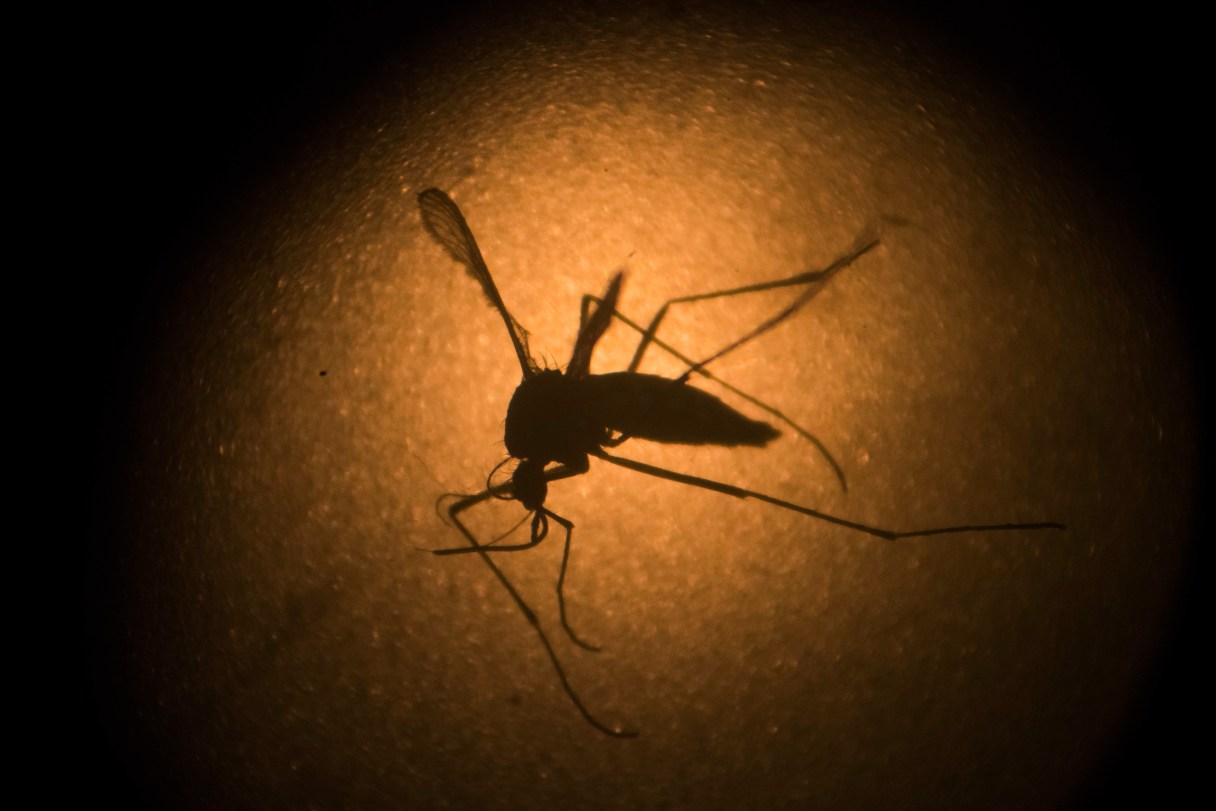
FILE - In this Jan. 27, 2016, file photo, an Aedes aegypti mosquito is photographed through a microscope at the Fiocruz institute in Recife, Pernambuco state, Brazil. The World Health Organization’s chief said, Friday, June 3, 2016, she has convened an expert committee to consider whether the Rio De Janeiro Olympics should proceed as planned, given recent concerns raised about the threat of the Zika virus. (AP Photo/Felipe Dana, File)
FILE - In this Jan. 27, 2016, file photo, an Aedes aegypti mosquito is photographed through a microscope at the Fiocruz institute in Recife, Pernambuco state, Brazil. The World Health Organization’s chief said, Friday, June 3, 2016, she has convened an expert committee to consider whether the Rio De Janeiro Olympics should proceed as planned, given recent concerns raised about the threat of the Zika virus. (AP Photo/Felipe Dana, File) FILE - In this Jan. 27, 2016, file photo, an Aedes aegypti mosquito is photographed through a microscope at the Fiocruz institute in Recife, Pernambuco state, Brazil. The World Health Organization’s chief said, Friday, June 3, 2016, she has convened an expert committee to consider whether the Rio De Janeiro Olympics should proceed as planned, given recent concerns raised about the threat of the Zika virus. (AP Photo/Felipe Dana, File)

GENEVA (AP) – The World Health Organization says the best way to address the “emotional concerns” about the Zika virus and its possible impact on this year’s Summer Olympics in Rio is to offer clear guidance based on “deep science.”

WHO spokesman Christian Lindmeier on Tuesday noted worries about Zika “because it has been very much in the media, around especially the Rio Olympics.”

Next week the U.N. health agency will convene a Zika emergency committee to assess the latest status of the virus, which can cause brain damage in newborns and paralysis in adults. The Zika virus is now in 60 countries, with Olympic host Brazil the hardest-hit nation.

WHO Director-General Dr. Margaret Chan has asked committee members to examine the risks of holding the Olympic Games, which run Aug. 5-21.