
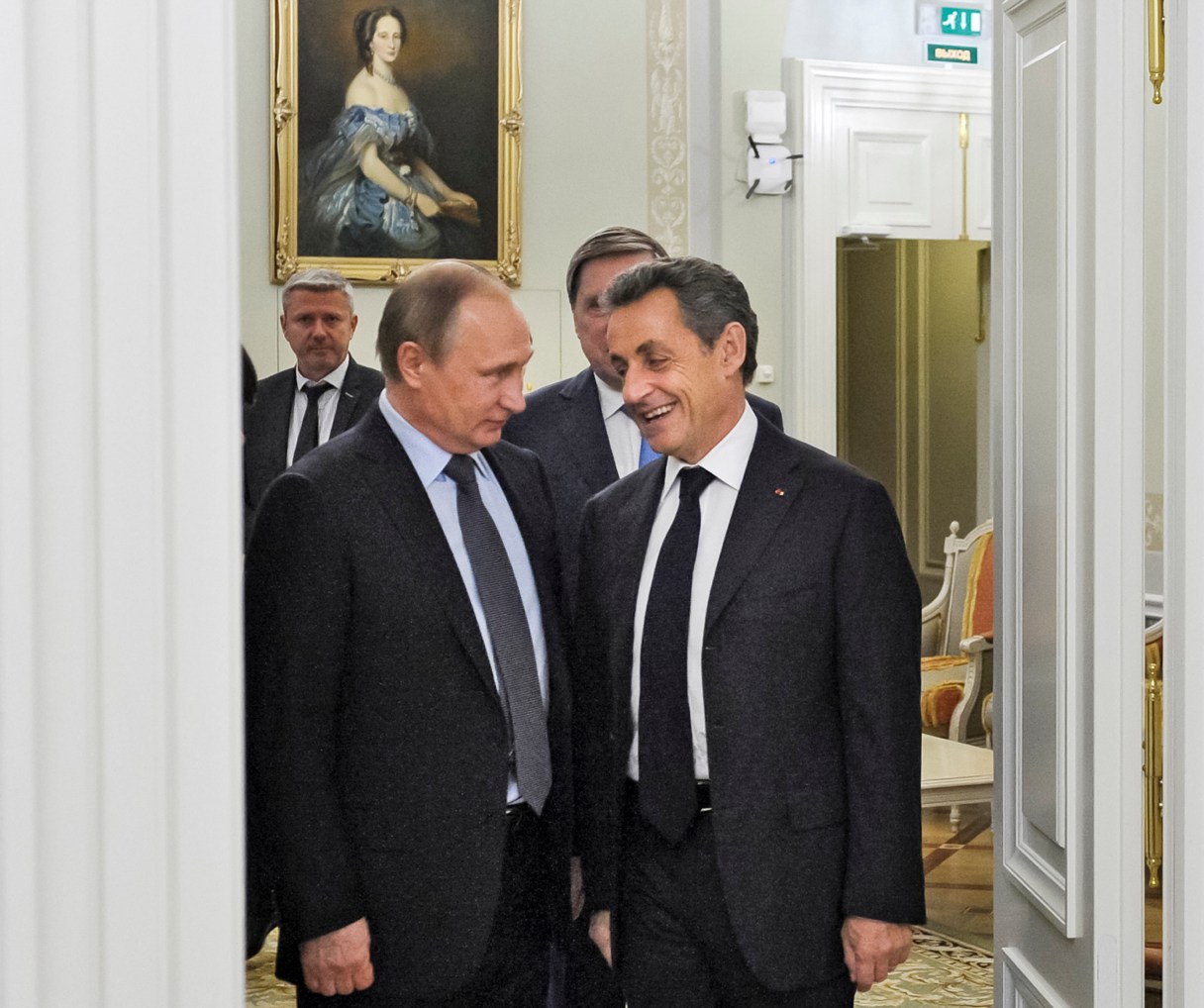
ST. PETERSBURG, Russia (AP) – After a two-year break which felt more like a boycott, European leaders and chief executives of top multinational companies are back at Russia’s top economic gathering in a sign of weariness about European sanctions against Moscow.
Russia’s annexation of Crimea in March 2014 and its support for separatist rebels in eastern Ukraine landed President Vladimir Putin in international isolation. The European Union and the United States imposed economic sanctions and kicked Russia out of the G8 group of nations.
Once Russia’s showcase of its geopolitical weight and economic attractiveness, the St. Petersburg Economic Forum – dubbed Russia’s Davos – was a sore sight the past two years: European leaders and heads of the major companies who once had lucrative long-term projects in Russia were nowhere to be seen.
This year’s gathering, however, signals what could be an emerging movement within the EU to ease economic sanctions on Russia. The sanctions didn’t only affect the Russian economy by closing long-term EU lending to Russian companies but also triggered a Russian import ban on meat, vegetable and dairy products from the European Union, dealing a heavy blow on agriculture-dependent nations such as Greece.
European Commission President Jean-Claude Juncker, who is to address the forum later on Thursday, is the highest-ranking EU official to visit Russia since the Crimean annexation. Juncker’s office, however, sought to downplay the significance of his visit, saying that it should not be interpreted as a sign that the EU will lift the sanctions when the time for review comes two months from now.