
Let’s look into the future a bit to give some perspective on our past and the wrongs we have done to it – and may do again.
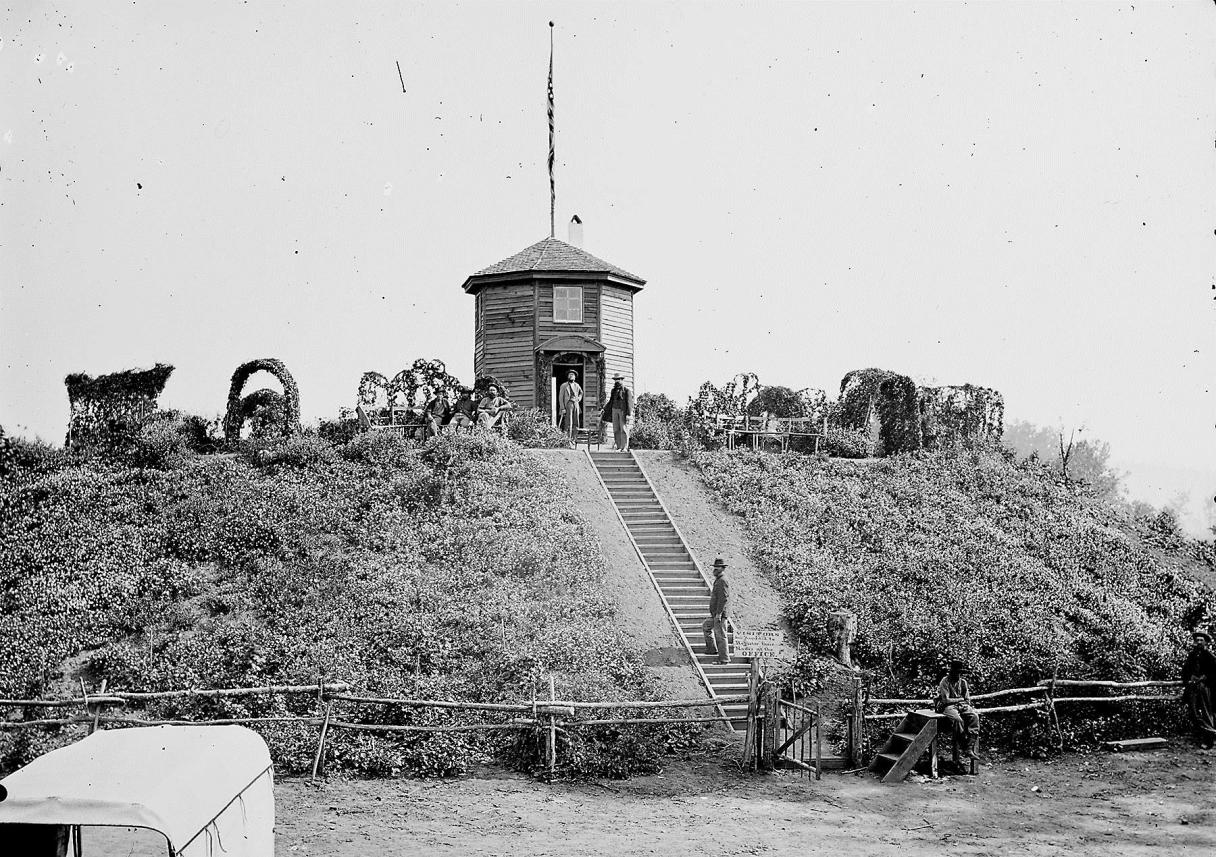
We’ve already decimated – twice – a 5,600-year-old Middle Archaic Native American village site on the banks of the Tennessee River known as Citico, along with its sacred Citico Mound – the most visible portion of a major town site of the long-ago first settlement of Chattanooga.
First we leveled the mound for construction of Riverfront Parkway in 1915. Then we razed its remnants for the road’s widening in 1957. Now we’re talking about putting an apartment complex on it as part of a 650-acre development covering the Lincoln Park neighborhood and a former industrial site along Riverfront Parkway to Central Avenue.
As a Chattanooga Times Free Press story Sunday by Times Free Press reporter David Cobb points out, the mound was and is not just any American Indian site.
“It was the major town site of Chattanooga,” said Chattanooga Intertribal Council member Tom Kunesh. “With a major town site comes a major cultural center and burials, and we don’t want burials removed or destroyed.”
Now fast-forward not just to today, but to maybe Year 3016. The next big thing might be a walled and domed development in the 650-acre valley spot that includes what we know today as Chattanooga National Cemetery.
But times will likely be hard and this then, as now, will be prime property that requires no clean-up and no industrial demolition. What can be better than progress, right?
The Chattanooga Intertribal Council is right to raise its hand and call for a bit more respect in the planning of a project that has been in the works since 2013 after a $200,000 Environmental Protection Agency Brownfield Area-Wide Planning grant became available.
The plan, in its current form, delves deeply into the cultural significance of Lincoln Park, highlights several other landmarks within the project’s scope and explains the provisions being made to preserve them. But the plan does not mention the Citico site except to list its identification code as it is on the National Register of Historic Places, 40HA65.
Perhaps planners thought Lincoln Park residents – long vocal about their community’s legacy – had more clout than Native Americans who, despite the rich history here, rarely speak out.
Until now.
It’s correct that much of Citico is already invisible, as University of Tennessee at Chattanooga archaeologist Nicholas Honerkamp notes.
“I think the main reason it has slipped through the cracks is because it’s gone,” he said. “There aren’t any remains that you can call Citico Mound or Citico Village. The whole area has been paved, and much of the property has industrial fill on it. There are no remnants that you can see, that are visible.”
Kunesh, who notes that our modern Chattanooga has destroyed 99 percent of Native American sites in the area, would like to see the mound rebuilt (like the mounds in Renaissance Park) to preserve the site and add to the legacy of Native American involvement here – a past that our city has just begun again to recognize and celebrate with Moccasin Bend Park, the Passage, Trail of Tears plaques and other reminders.
Hopefully, in 1,000 years, someone will raise their hand to save Chattanooga National Cemetery, too.