
Thursday, October 29, 2026Oct 29

This story is free to read.

IAAF issues guidelines on Russian track athletes

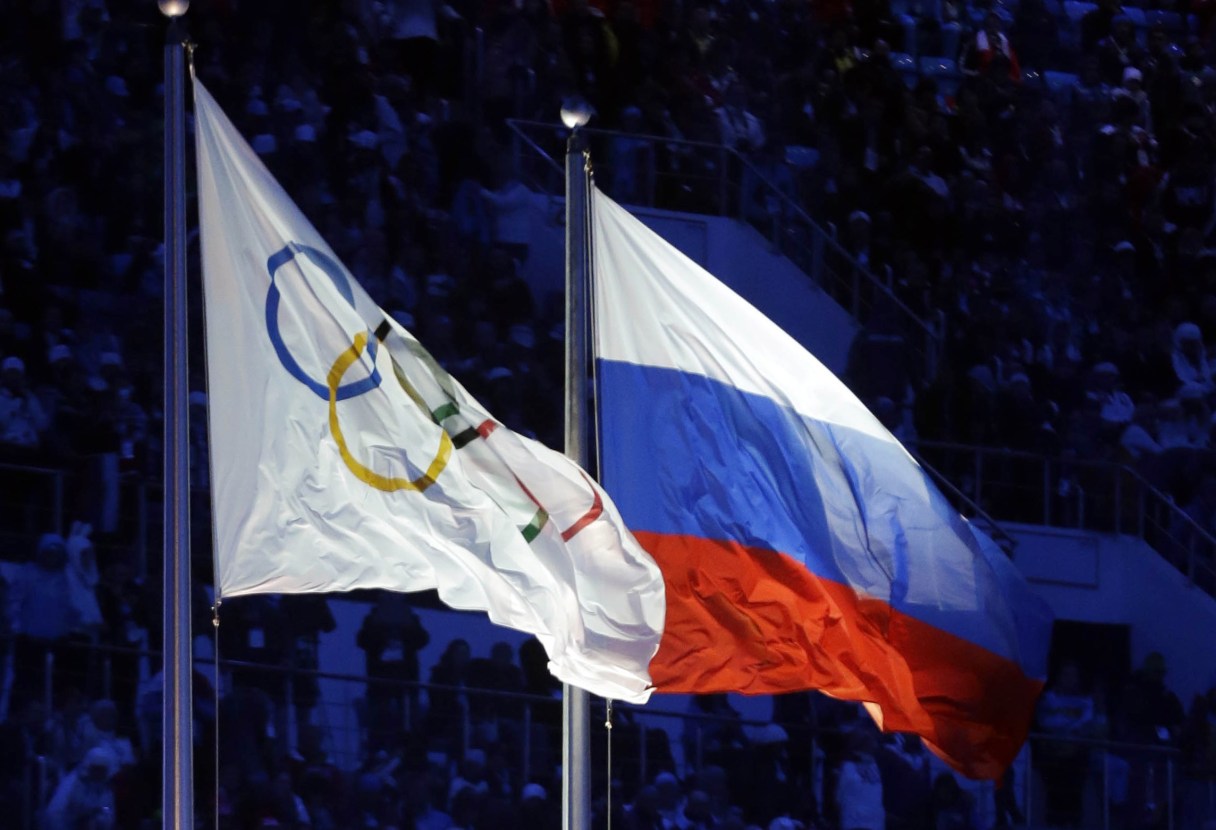
FILE - In this Feb. 7, 2014 file photo the Russian and the Olympic flags wave during the opening ceremony of the 2014 Winter Olympics in Sochi, Russia. Olympic leaders met Tuesday, June 21, 2016 to consider further steps to crack down on doping ahead of the games in Rio de Janeiro in the wake of the ban on Russian track and field athletes.  (AP Photo/Patrick Semansky, file)
FILE - In this Feb. 7, 2014 file photo the Russian and the Olympic flags wave during the opening ceremony of the 2014 Winter Olympics in Sochi, Russia. Olympic leaders met Tuesday, June 21, 2016 to consider further steps to crack down on doping ahead of the games in Rio de Janeiro in the wake of the ban on Russian track and field athletes. (AP Photo/Patrick Semansky, file) FILE - In this Feb. 7, 2014 file photo the Russian and the Olympic flags wave during the opening ceremony of the 2014 Winter Olympics in Sochi, Russia. Olympic leaders met Tuesday, June 21, 2016 to consider further steps to crack down on doping ahead of the games in Rio de Janeiro in the wake of the ban on Russian track and field athletes. (AP Photo/Patrick Semansky, file)

MONACO (AP) – The IAAF has issued guidelines for any Russian track and field athletes seeking “exceptional” dispensation to compete in the upcoming Olympics, insisting again that they would do so as neutral athletes and not under their national flag.

Track and field’s governing body has been at odds with the International Olympic Committee, which says any Russian athletes approved by the IAAF would compete under their national flag.

The guidelines issued Wednesday cover “any individual athletes who can clearly and convincingly show that they are not tainted by the Russian system because they have been outside the country and subject to other effective anti-doping systems.”

The IAAF says they could apply to compete “not for Russia, but as a neutral athlete.”

The release of the guidelines poses a further challenge to the IOC, which said Tuesday that the IAAF has no say on which flags athletes compete under at the Olympics.