
Tinnitus (pronounced TINN-a-tus or ti-NIGHT-us) is a condition in which one hears ringing, hissing, buzzing, roaring, clicking, or other sounds that are not actually in the environment. This condition can be experienced intermittently or constantly for one or both ears. Over 45 million Americans suffer from some form of tinnitus, making it one of the most common health conditions. The severity of one’s tinnitus can range from awareness to bothersome or even debilitating. Most frequently, tinnitus is a mild distraction (particularly in quiet environments), but millions of other Americans suffer from tinnitus that distracts them from performing routine tasks effectively. It is not uncommon for someone suffering from severe tinnitus to experience distress, depression, anxiety, sleep disturbances, frustration, and poor concentration.
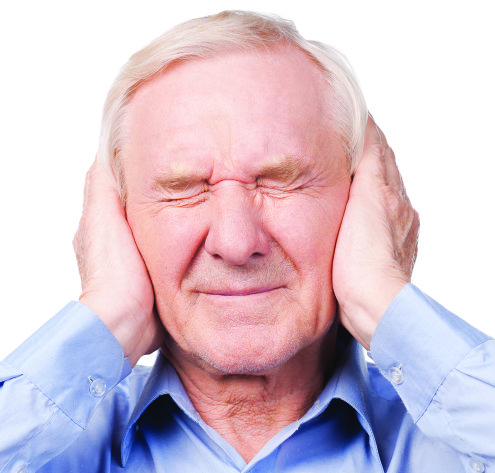
Tinnitus is not a disease, but rather a symptom of another underlying condition. However, researchers believe that most commonly it is a sensorineural reaction in the brain to damage in the auditory system. Therefore, it is not uncommon for tinnitus to present in patients who also experience hearing loss. Nonetheless, there are other catalysts for tinnitus including noise exposure, sinus congestion, barometric trauma, obstructions in the ear canal, temporomandibular joint disorder (TMJ), head or neck trauma, traumatic brain injury, ototoxic medications, metabolic disorders (e.g., hyperthyroidism), autoimmune disorders (e.g., fibromyalgia), blood vessel disorders (e.g., high blood pressure), and psychiatric disorders (e.g. anxiety, depression).Tinnitus is more common in males, Caucasians, seniors, and those with significant noise exposure (e.g., veterans, factory workers, musicians, hunters).
There is currently no scientifically-validated cure for the vast majority of tinnitus cases. However, there are excellent tools that aim to ease the perceived burden of tinnitus so patients can lead more comfortable, productive lives. They address the attentional, emotional, and cognitive impact of tinnitus. These treatments target anxiety, stress, social isolation, sound sensitivity, hearing difficulties, and intensity of tinnitus in an effort to bring relief from the condition.
Trained doctors of audiology have the diagnostic tools, clinical assessments, and skills to appropriately assess tinnitus. As tinnitus is often correlated with hearing loss, most audiologists will begin with a comprehensive audiological evaluation. It is important to determine the specific gaps in a tinnitus patient’s hearing as it often correlated to the nature and quality of his/her tinnitus. When evaluating the tinnitus, the audiologist will attempt to match the tinnitus intensity and frequency, find the minimal masking required to cover the perception of the tinnitus, evaluate whether sound exposure alters the perception of tinnitus, and find the level at which sound becomes uncomfortable. Most importantly, the audiologist should subjectively evaluate the effects on the patient’s mental, cognitive, social, and physical status.

Every tinnitus patient is unique in their experiences of this condition and its effect on his/her life. Therefore, the recommended treatment options may vary based on his/her presentation of tinnitus, listening needs, triggers, and lifestyle. Some management strategies may include multiple treatment options to adequately address some patients’ needs. Treatment options may include the following: hearing aids, tinnitus maskers, sound generators, sound therapy, cognitive behavioral therapy, and general wellness (diet, physical and social activity, and stress management).