
Thursday, October 29, 2026Oct 29

This story is free to read.

System may forecast tornadoes weeks away; Test it next week

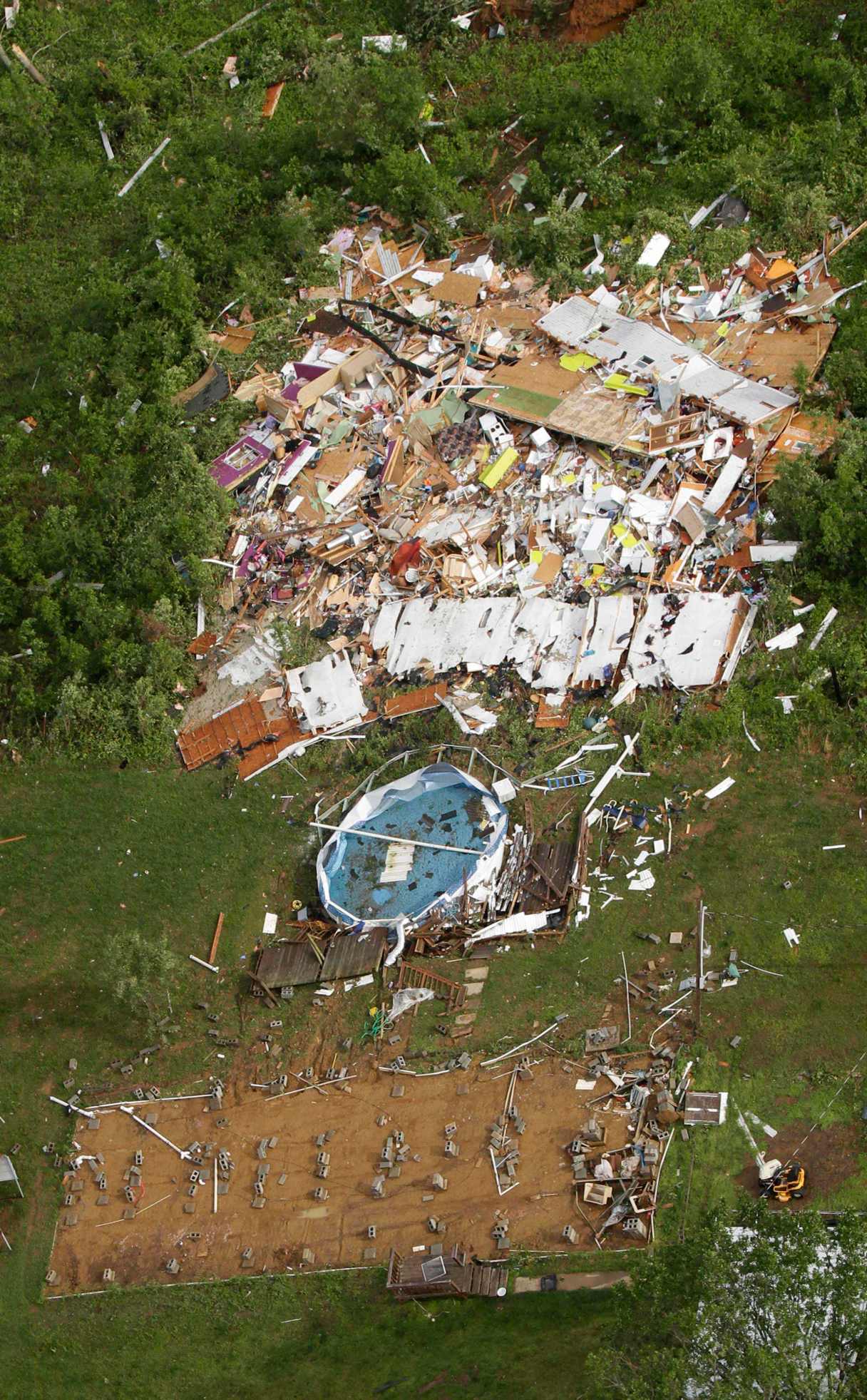
FILE - In this April 26, 2011 file photo, a building is seen destroyed in Vilonia, Ark., after a tornado struck the area. Because twisters are so small and short-lived, unlike hurricanes that meteorologists track for days lumbering toward the coast, they are somewhat of a mystery for forecasters. Meteorologists now give notice up to five days in advance that thunderstorm conditions are going to be ripe for tornadoes, but that’s only as they forecast storm systems come together. It’s ever changing, so it can’t be statistical enough to provide the public with a longer term heads’ up, like they get with El Nino or hurricane seasons.  (AP Photo/Danny Johnston, File)
FILE - In this April 26, 2011 file photo, a building is seen destroyed in Vilonia, Ark., after a tornado struck the area. Because twisters are so small and short-lived, unlike hurricanes that meteorologists track for days lumbering toward the coast, they are somewhat of a mystery for forecasters. Meteorologists now give notice up to five days in advance that thunderstorm conditions are going to be ripe for tornadoes, but that’s only as they forecast storm systems come together. It’s ever changing, so it can’t be statistical enough to provide the public with a longer term heads’ up, like they get with El Nino or hurricane seasons. (AP Photo/Danny Johnston, File) FILE - In this April 26, 2011 file photo, a building is seen destroyed in Vilonia, Ark., after a tornado struck the area. Because twisters are so small and short-lived, unlike hurricanes that meteorologists track for days lumbering toward the coast, they are somewhat of a mystery for forecasters. Meteorologists now give notice up to five days in advance that thunderstorm conditions are going to be ripe for tornadoes, but that’s only as they forecast storm systems come together. It’s ever changing, so it can’t be statistical enough to provide the public with a longer term heads’ up, like they get with El Nino or hurricane seasons. (AP Photo/Danny Johnston, File)

WASHINGTON (AP) – Researchers say they’ve come up with a way to predict the likelihood of tornadoes two or three weeks in advance – a step toward better warnings of storms that kill an average of 80 Americans each year.

Victor Gensini, a meteorology professor at the College of DuPage outside Chicago, found a link between tornado activity in the United States and complicated atmospheric wave patterns that shift every 40 to 60 days. The pattern is dependable enough that last year he used it to predict overall tornado activity in the nation – and was right 10 out of 15 times.

Now, Gensini has predicted higher than normal tornado activity from Sunday through March 19. Normally, there are about 14 or 15 tornadoes a week this time of year, but the forecasters predict at least 22, and likely more.

Technically the prediction is for the nation as a whole, but Gensini said conditions are especially ripe for tornadoes in the Southeast and Great Plains. Specifically, he said, that means Louisiana, Texas, Oklahoma, Arkansas, Missouri, Kentucky, southern Illinois, Alabama, Mississippi, Georgia, Florida, North and South Carolina and parts of Virginia.

Gensini said he predicted these conditions back on Feb. 22. And in the past few days, the more widely used weather models have suddenly started to forecast severe weather for that area.