
VIENNA (AP) – The Latest on the crisis of mass migration to Europe (all times local):
12 p.m.
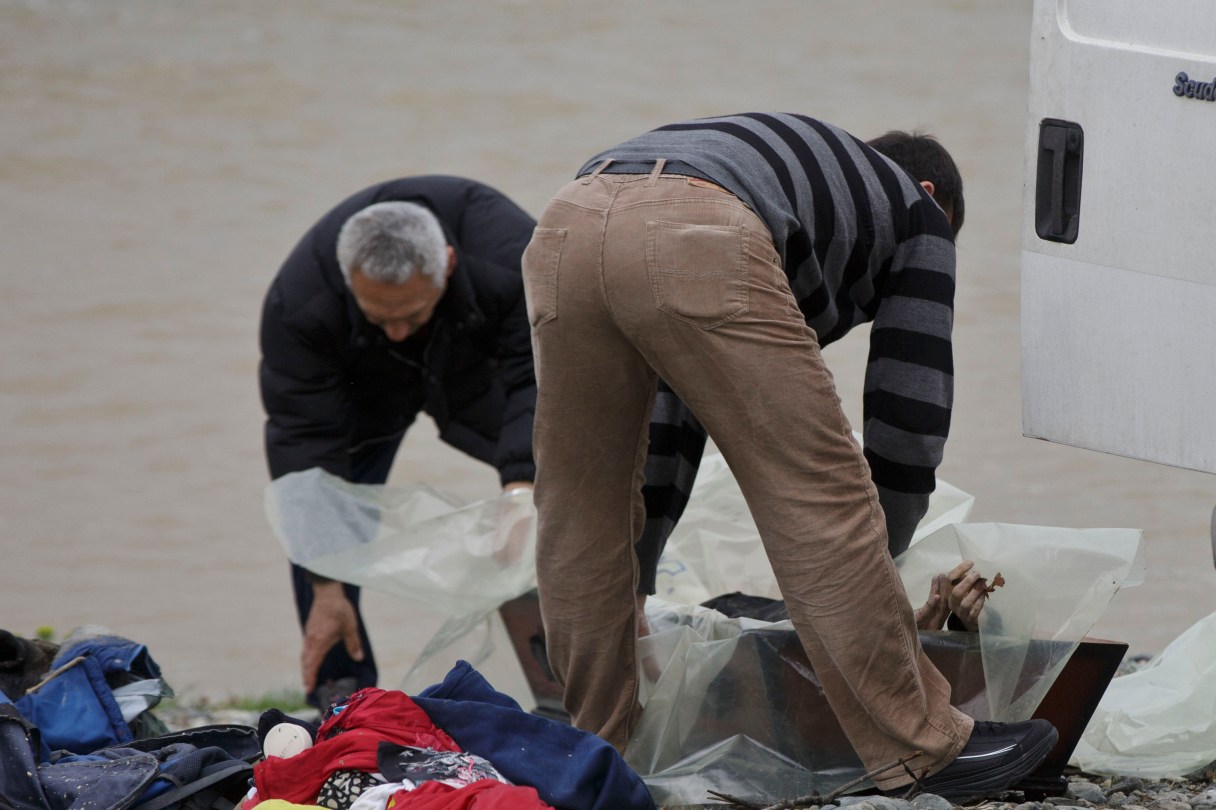
Police in Macedonia say the bodies of two men and one woman, believed to be migrants, have been found in a river near the border with Greece.
Police spokesman Toni Angelovski told The Associated Press that the bodies were discovered early Monday in the Suva Reka river, near the border town of Gevgelija.
More than 40,000 people have been stranded in Greece after Macedonia and other ex-Yugoslav countries closed their borders to migrants and refugees. The closures have prompted many to try and seek more dangerous crossings.
UNHCR official Ljubinka Brasnarska said 19 migrants had been placed in a shelter in Macedonia and another three were hospitalized after crossing the Suva Reka.
She told the AP that border closures are forcing migrants to resort to “desperate actions.”
___
11:05 a.m.
The Dutch government says that one in four migrants seeking asylum in the Netherlands so far this year has come from a country considered “safe,” meaning they are ineligible for refugee status.
The Immigration and Naturalization Service said Monday that a quarter of the 4,400 first-time asylum requests in 2016 came from countries such as Albania, Serbia and Kosovo.
Last year, nearly 59,000 migrants applied for asylum in the Netherlands, a small, densely populated country of 17 million.
As the Netherlands seeks ways to cope with the influx, migrants from safe countries are now being rejected faster and are no longer allowed to await decisions on appeals in this country and have to immediately leave.
___
10 a.m.
Austria’s chancellor says European countries have to send a message to those seeking safe haven that they cannot expect to choose which nation will accept them.
Werner Faymann also is calling for progress in talks between the EU and countries like Pakistan and Morocco to facilitate the return of migrants with no chance for asylum.
Faymann says “we have to make clear to refugees that they cannot pick where they will be accommodated in Europe.”
In comments late Sunday to state broadcaster ORF, Faymann defended his country’s decision to introduce annual caps on the number of people Austria would accept as refugees, saying “we will continue to back this stance.”