
Tuesday, November 10, 2026Nov 10

Iran foreign minister denies missile test breached UN rules

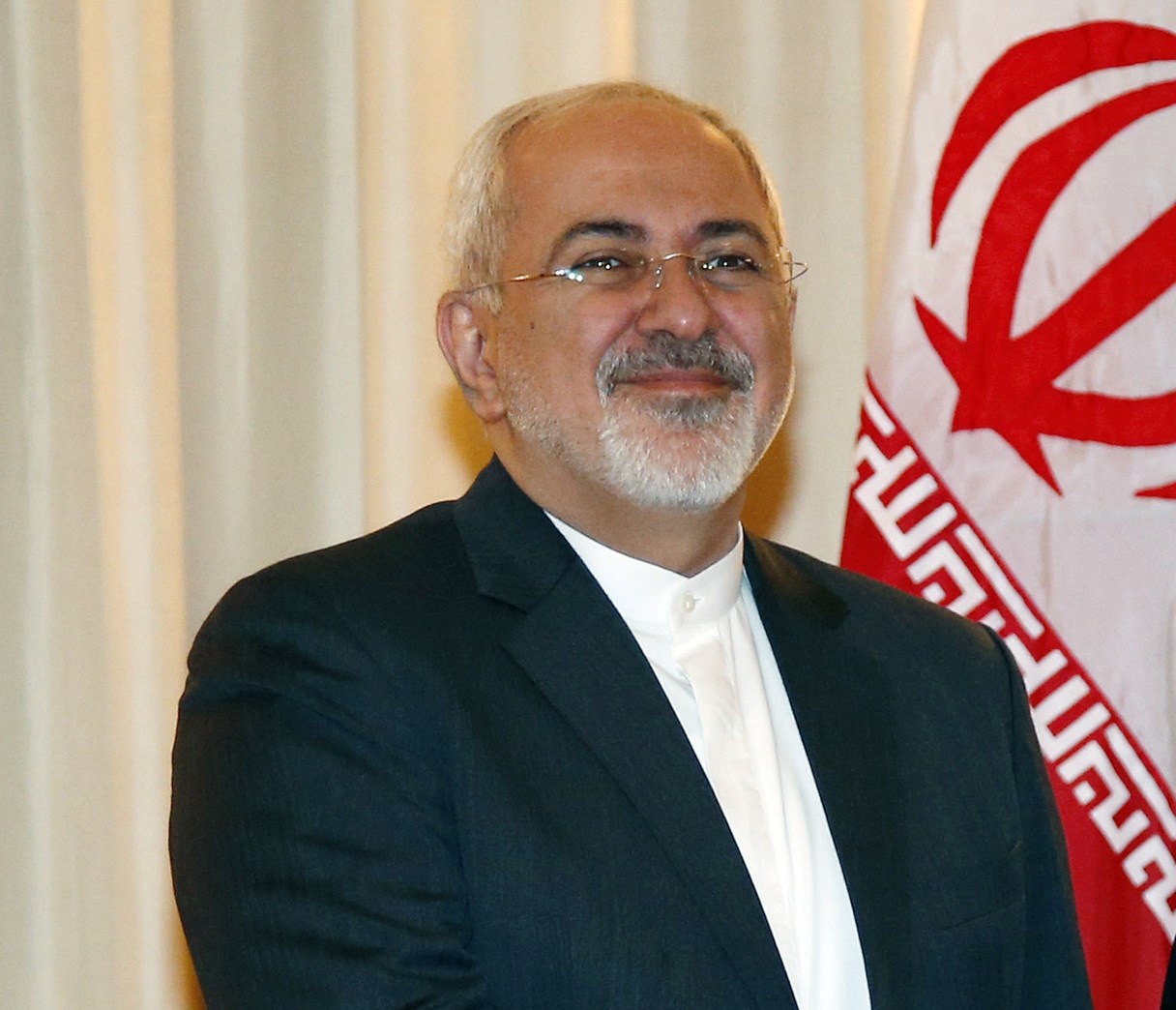
In this March 11, 2016 photo, Iranian Foreign Minister Mohammad Javad Zarif is greeted by Thai Prime Minister Prayuth Chan-ocha during their meeting at Government House in Bangkok, Thailand. Zarif on Tuesday, March 15 used a meeting with his Australian counterpart to reject a U.S. argument that the test-firing of Iranian missiles last week violated a U.N. resolution. (Narong Sangnak/Pool Photo via AP)
In this March 11, 2016 photo, Iranian Foreign Minister Mohammad Javad Zarif is greeted by Thai Prime Minister Prayuth Chan-ocha during their meeting at Government House in Bangkok, Thailand. Zarif on Tuesday, March 15 used a meeting with his Australian counterpart to reject a U.S. argument that the test-firing of Iranian missiles last week violated a U.N. resolution. (Narong Sangnak/Pool Photo via AP) In this March 11, 2016 photo, Iranian Foreign Minister Mohammad Javad Zarif is greeted by Thai Prime Minister Prayuth Chan-ocha during their meeting at Government House in Bangkok, Thailand. Zarif on Tuesday, March 15 used a meeting with his Australian counterpart to reject a U.S. argument that the test-firing of Iranian missiles last week violated a U.N. resolution. (Narong Sangnak/Pool Photo via AP)

CANBERRA, Australia (AP) – Iran’s foreign minister used a meeting with his Australian counterpart on Tuesday to reject a U.S. argument that the test-firing of Iranian missiles last week violated a U.N. resolution.

Mohammad Javad Zarif had a detailed conversation with Australian Foreign Minister Julie Bishop about legal and technical issues surrounding Iran’s test-firing of two ballistic missiles.

The United States called a Security Council meeting on Monday to protest the launches, which Secretary of State John Kerry called a violation of U.N. resolutions that “could invite additional sanctions.”

Samantha Power, the U.S. ambassador to the United Nations, said after Monday’s closed meeting that the ballistic missiles “were designed to be capable of delivering nuclear weapons,” and called the launches “dangerous, destabilizing, and provocative.”

But Russia’s U.N. ambassador, Vitaly Churkin, told reporters that Moscow had no information that the missiles could carry nuclear weapons and that there was no violation of the resolution.