
WASHINGTON (AP) – As North Korea rattles its nuclear saber, threatening to bomb the U.S. at “any moment,” a nerve-jangling question hangs in the air: If Pyongyang did launch a nuclear-armed missile at an American city, could the Pentagon’s missile defenses overcome their spotty test record and shoot it down beyond U.S. shores?
America has never faced such a real-life crisis, and although officials say they are confident the defenses would work as advertised, the Pentagon acknowledges potential gaps that North Korea or others might be able to exploit, someday if not immediately.
One possible vulnerability involves a foe’s “countermeasures,” or decoys carried aboard long-range offensive missiles to fool a U.S. interceptor missile into hitting the wrong target.
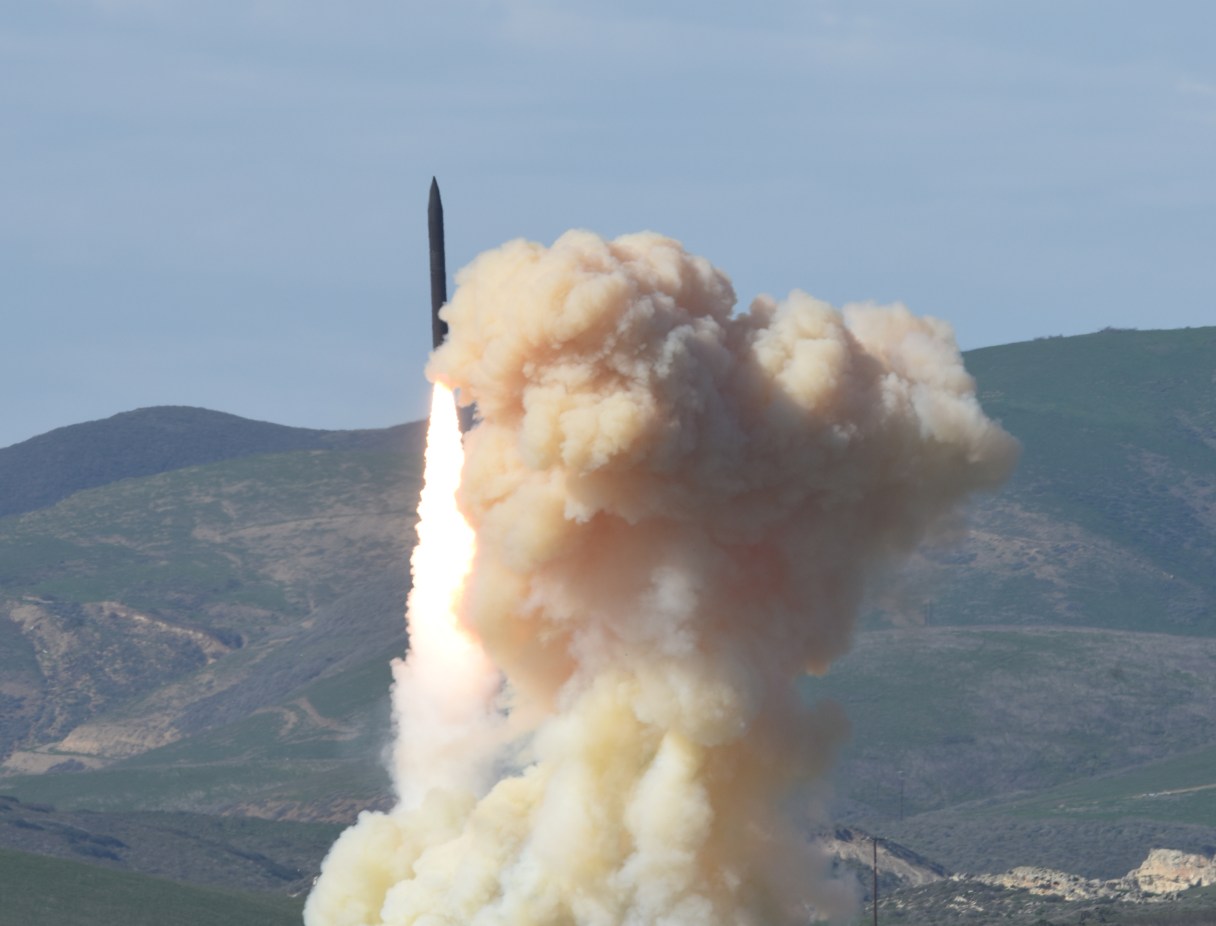
The Pentagon has poured at least $84 billion into missile defense over the past decade and is planning to spend another $3.3 billion over the next five years for a single element of the system, known as Ground-based Midcourse Defense, or GMD. Its key part is a network of interceptor missiles designed to launch from underground silos, fly into the path of an enemy missile as it arcs through space and smash into it, destroying it.
That system has failed three of its last four intercept tests. The only success in that series was the most recent test, in June 2014.