
Wednesday, November 11, 2026Nov 11

Monkey bars alert: Playground concussions are on the rise

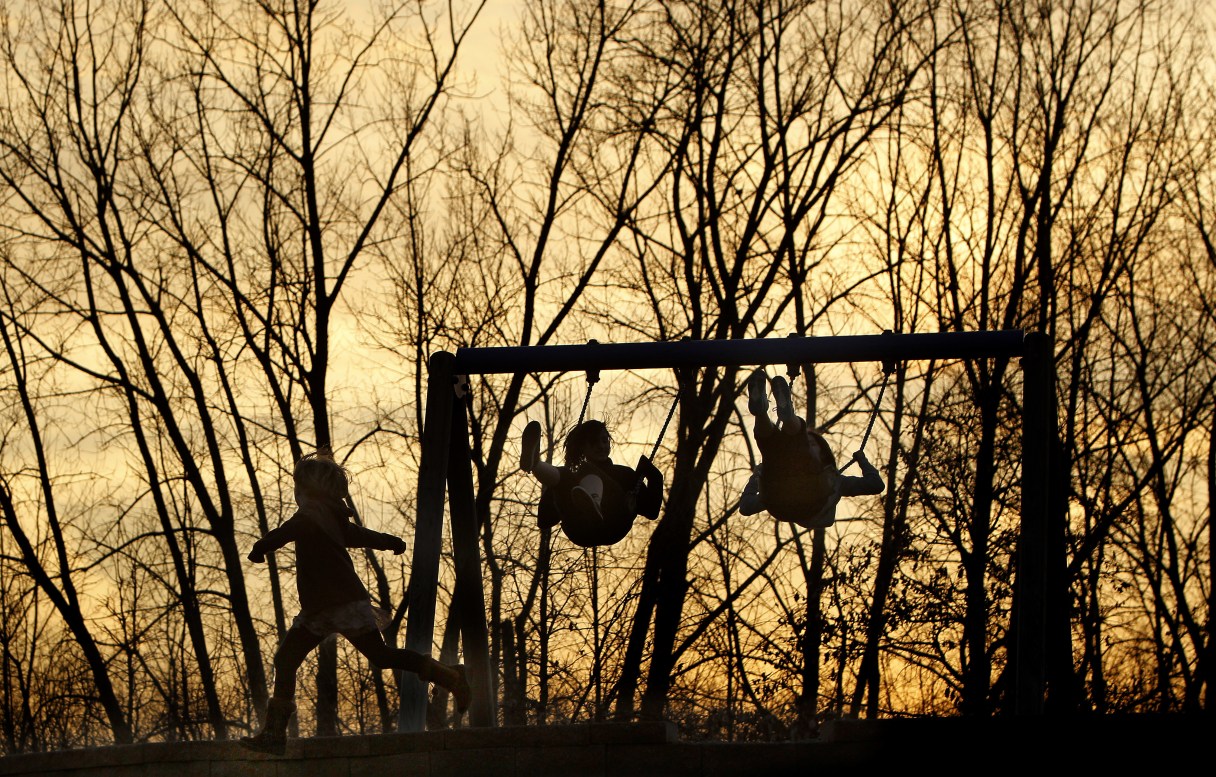
FILE - In this March 11, 2011 file photo, children take advantage of warmer weather, as they play on a playground at sunset in Armstrong Park, in Lafayette, Ind. Playground concussions are on the rise, a government study found, and monkey bars and swings are most often involved. Most injuries  were mild, but the researchers say the trend raises public health and safety concerns. (Jordan Kartholl /Journal & Courier via AP, File) MANDATORY CREDIT; NO SALES; TV OUT; RADIO OUT; LOCAL INTERNET OUT
FILE - In this March 11, 2011 file photo, children take advantage of warmer weather, as they play on a playground at sunset in Armstrong Park, in Lafayette, Ind. Playground concussions are on the rise, a government study found, and monkey bars and swings are most often involved. Most injuries were mild, but the researchers say the trend raises public health and safety concerns. (Jordan Kartholl /Journal & Courier via AP, File) MANDATORY CREDIT; NO SALES; TV OUT; RADIO OUT; LOCAL INTERNET OUT FILE - In this March 11, 2011 file photo, children take advantage of warmer weather, as they play on a playground at sunset in Armstrong Park, in Lafayette, Ind. Playground concussions are on the rise, a government study found, and monkey bars and swings are most often involved. Most injuries were mild, but the researchers say the trend raises public health and safety concerns. (Jordan Kartholl /Journal & Courier via AP, File) MANDATORY CREDIT; NO SALES; TV OUT; RADIO OUT; LOCAL INTERNET OUT

CHICAGO (AP) – Playground concussions are on the rise, according to a new government study, and monkey bars and swings are most often involved.

Most injuries studied were mild, but all concussions are potentially serious and the researchers say the trend raises public health and safety concerns.

The federal Centers for Disease Control and Prevention study examined national 2001-2013 data on playground injuries to kids aged 14 and younger who received emergency-room treatment. Of almost 215,000 kids on average treated yearly, almost 10 percent – about 21,000 annually – had traumatic brain injuries including concussions. Only nonfatal injuries were included.

Here are some key findings, published online Monday in Pediatrics:

CLIMBING RATE