
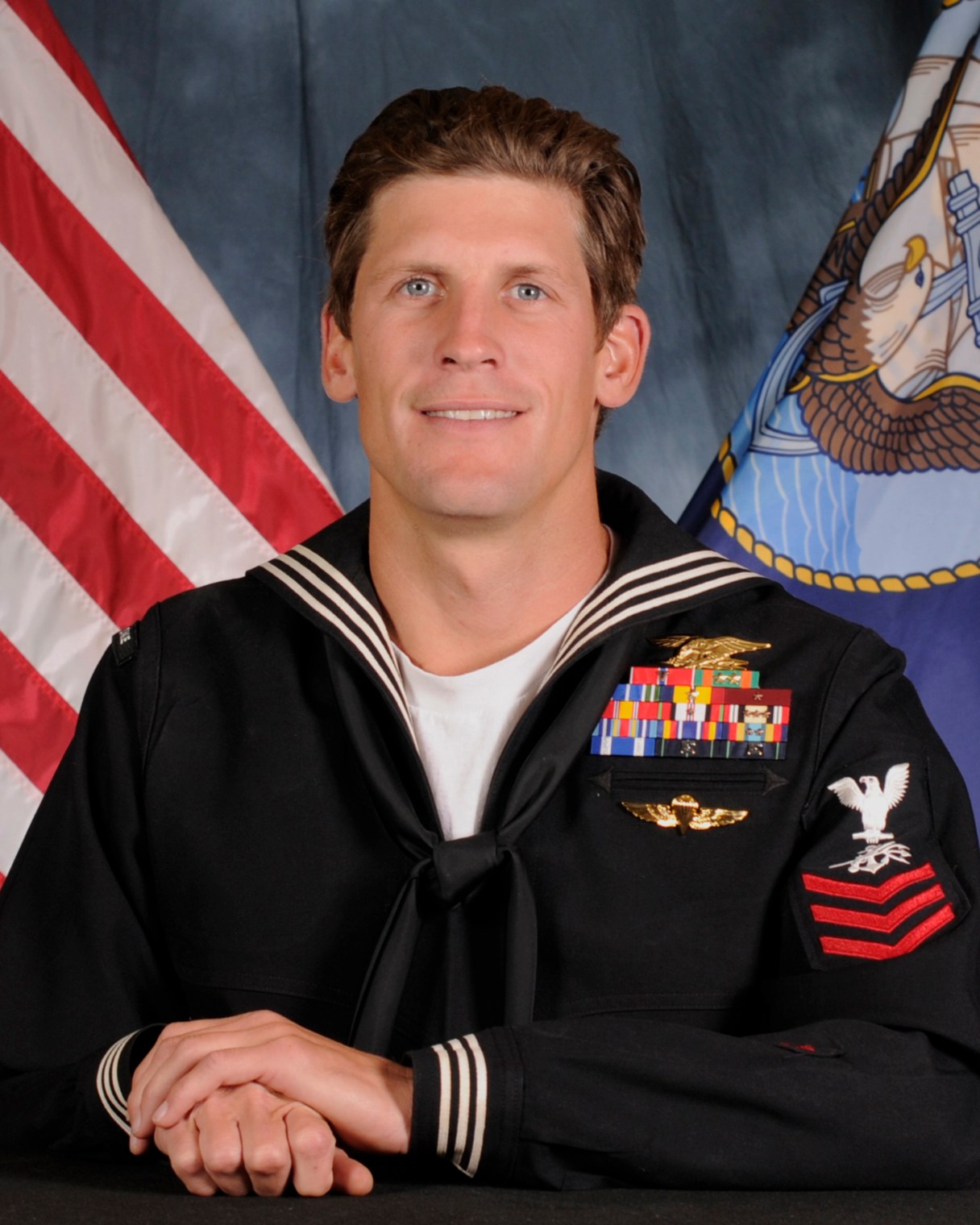
WASHINGTON (AP) – A Navy SEAL killed during a firefight in Iraq was part of a quick reaction force that moved in to rescue U.S. military advisers from an Islamic State attack, the Pentagon said Wednesday. The attack triggered a massive coalition air response that destroyed equipment, buildings and killed up to 60 militants.
Navy Petty Officer 1st Class Charles Keating was shot and killed when he and other special operations forces went to the rescue of the U.S. forces that got caught in a gun battle involving more than 100 Islamic State fighters, Army Col. Steve Warren said.
The small team of American advisers went to Teleskof, about 14 miles north of Mosul, to meet with Kurdish peshmerga forces. Warren said that Islamic State fighters launched a large, complex attack on the peshmerga there around 7:30 a.m., with armored Humvees and bulldozers, and broke through the front lines.
It was, he said, one of the largest attacks that the Islamic State group has launched in recent months, and it came in the wake of several recent defeats of the militants in the region.
Warren, a U.S. military spokesman in Iraq, told Pentagon reporters that the U.S. advisers were less than two miles behind the front lines, and called for help just before 8 a.m. The quick reaction force went in to get the American forces out.