
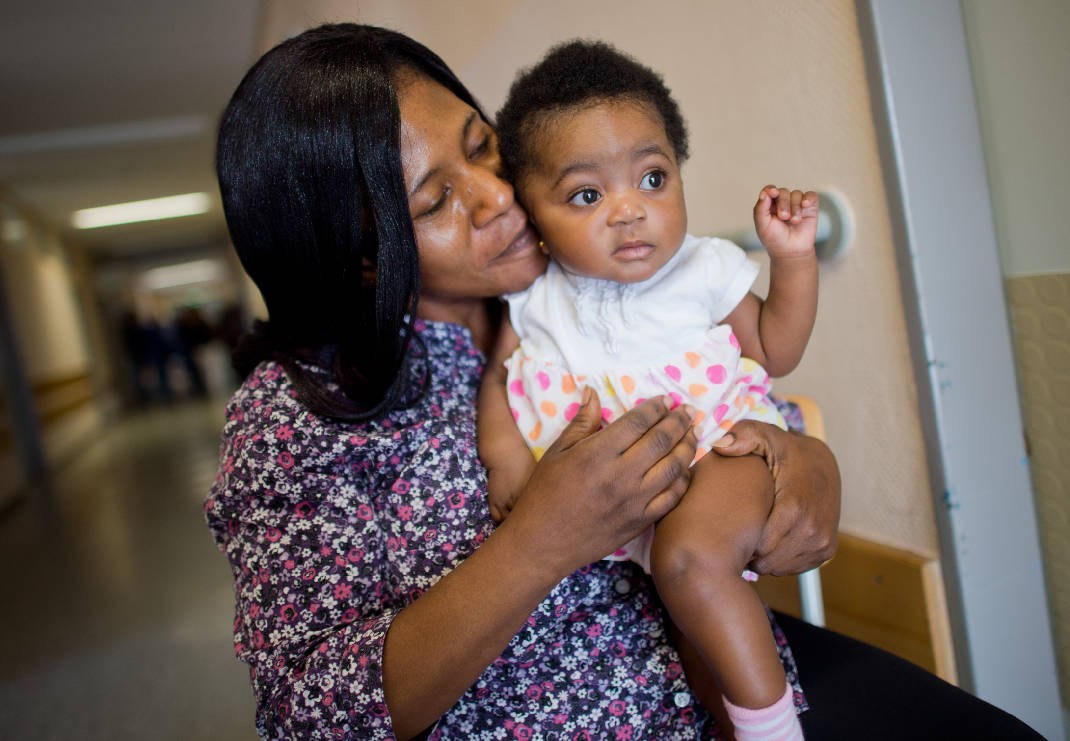
Baby boomers can recall when Mother’s Day meant you wore a red carnation or rose pinned to your Sunday best, signifying that your mother was still living, or a white flower if she wasn’t.
Pastors would ask all mothers in the audience to stand while the congregation applauded them. Then the oldest mother would be recognized. The newest mother. The mother with the most children. And that day’s sermon was traditionally based on Proverbs 31:10-31 – a passage that praises the wife of noble character, helpmate of her husband, nurturer of children, frugal homemaker.
Fast-forward five decades when 57 percent of women now participate in the work force, and 70 percent of them have children under 18, according to the U.S. Department of Labor. More than 80 percent of the 12 million single-parent families in the country are headed by single mothers, according to the U.S. Census Bureau.
And those numbers have affected the sermons of Mother’s Day.
Area pastors say their Mother’s Day sermons have evolved just like the changing family dynamic. But more importantly, they find it important to affirm all women in their congregation on Mother’s Day and be responsive to those who are not mothers.