
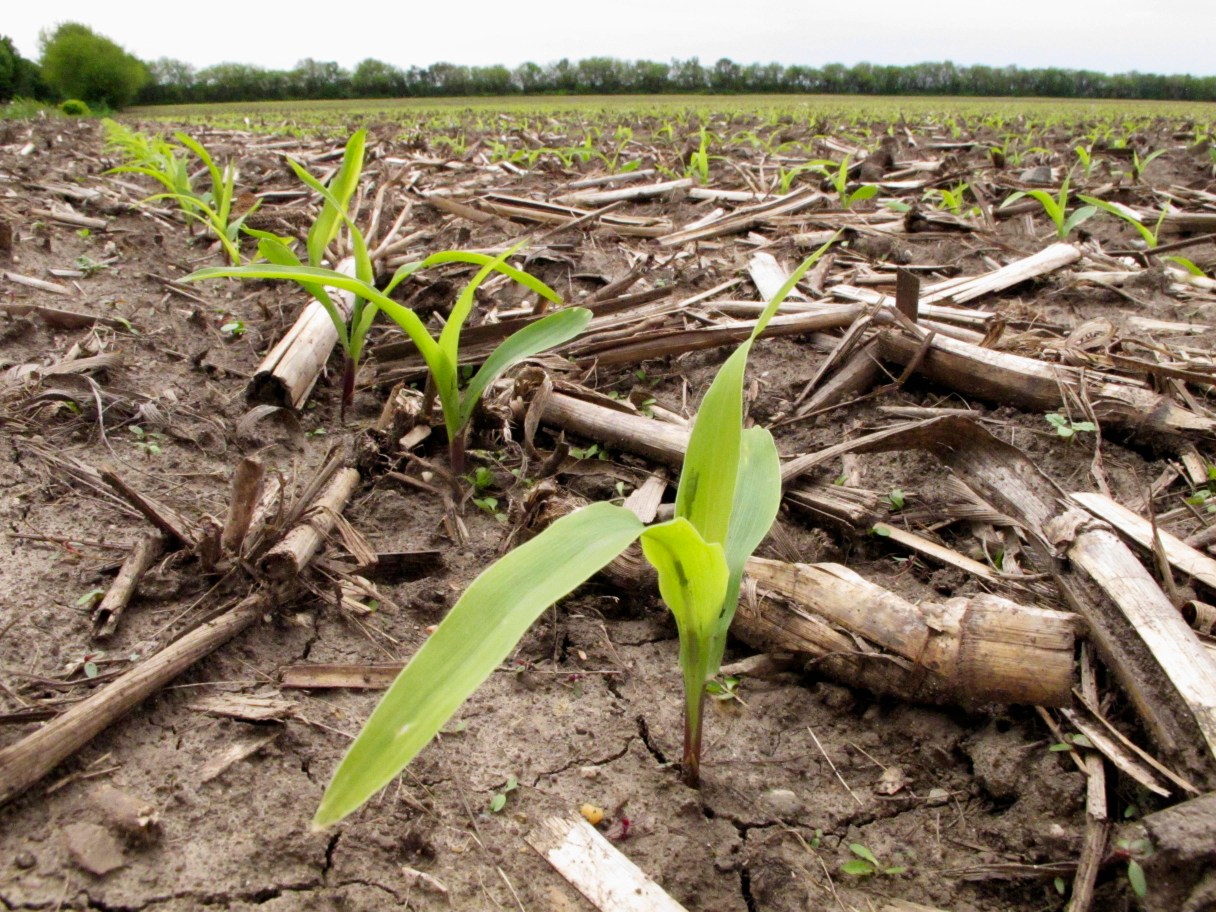
CHAMPAIGN, Ill. (AP) – The flow of nitrates from farm fertilizer and treated wastewater into the Illinois River that contributes to a dead zone in the Gulf of Mexico has fallen, a new study says. Researchers believe one likely factor, the use of newer, more robust varieties of corn, could make the drop a long-lasting one.
The study from the University of Illinois found that the level of nitrates dropped 10 percent between 2010 and 2014. Adding in data from 2015 that was not available when the study was being written, that level dropped by 15 percent, one co-author said.
“The varieties (of corn) that are planted these days and in the last few years are more robust in a lot of different ways,” co-author and agricultural engineering professor Greg McIsaac said, calling the reductions a “promising sign.”
The Illinois river drains almost half of Illinois, most of it primary corn-growing land in a state that produces about a sixth of the nation’s crop. The river also carries lightly treated wastewater from the Chicago area, which for more than a century has discharged it in through waterways that wind up in the Illinois to keep it out of Lake Michigan – a move that caused resentment further down the river.
The Illinois flows into the Mississippi River, which takes on additional nitrates and other chemicals that fuel the Gulf’s dead zone, a massive area of water with little to no oxygen that kills fish and other marine life. The dead zone has been a stubborn problem that federal officials want to address.