
WASHINGTON (AP) – When Republican Donald Trump complains about unfair trade partners, he often singles out Vietnam – “hot as a pistol right now” and “the new one just killing us.”
And when Democrat Bernie Sanders warns about the perils of global trade deals, he rarely misses a chance to say Americans shouldn’t have to compete against Vietnamese workers earning 65 cents an hour.
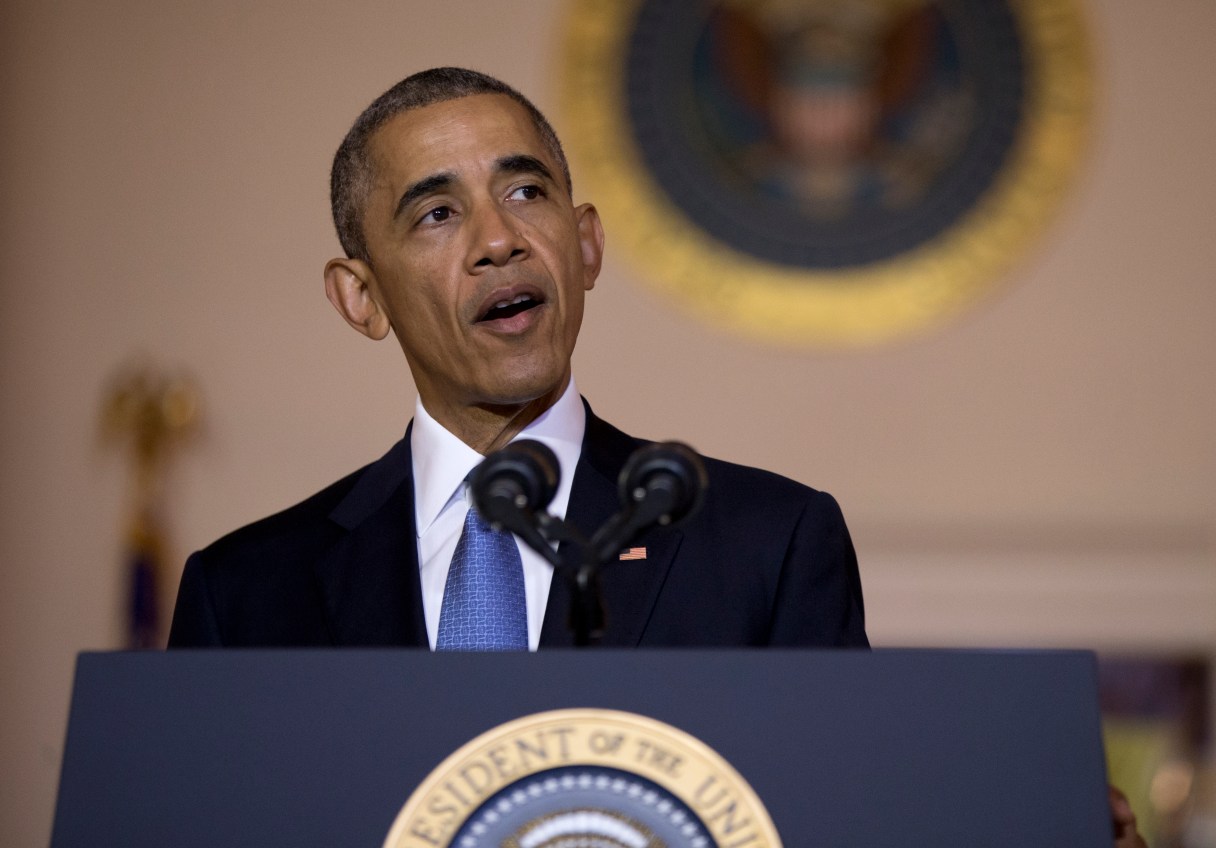
But when President Barack Obama talks up the benefits of new trade deals, he holds out commerce with Vietnam as an example of the potential benefits of globalization.
Those complex politics of trade – casting Vietnam as trading bad-boy or target of opportunity – will be in the spotlight next week as Obama visits Hanoi and Ho Chi Minh City to push a trans-Pacific trade deal that would cover nearly 40 percent of the global economy.
Vietnam is the first stop on a weeklong Obama trip designed to showcase the president’s commitment to the Asia-Pacific region and to strengthen ties to fast-growing Asian economies in what Obama says is “an age of global supply chains, and cargo ships that crisscross oceans, and online commerce that can render borders obsolete.”