
Monday, November 9, 2026Nov 9

Supreme Court throws out black man’s death sentence from all-white jury

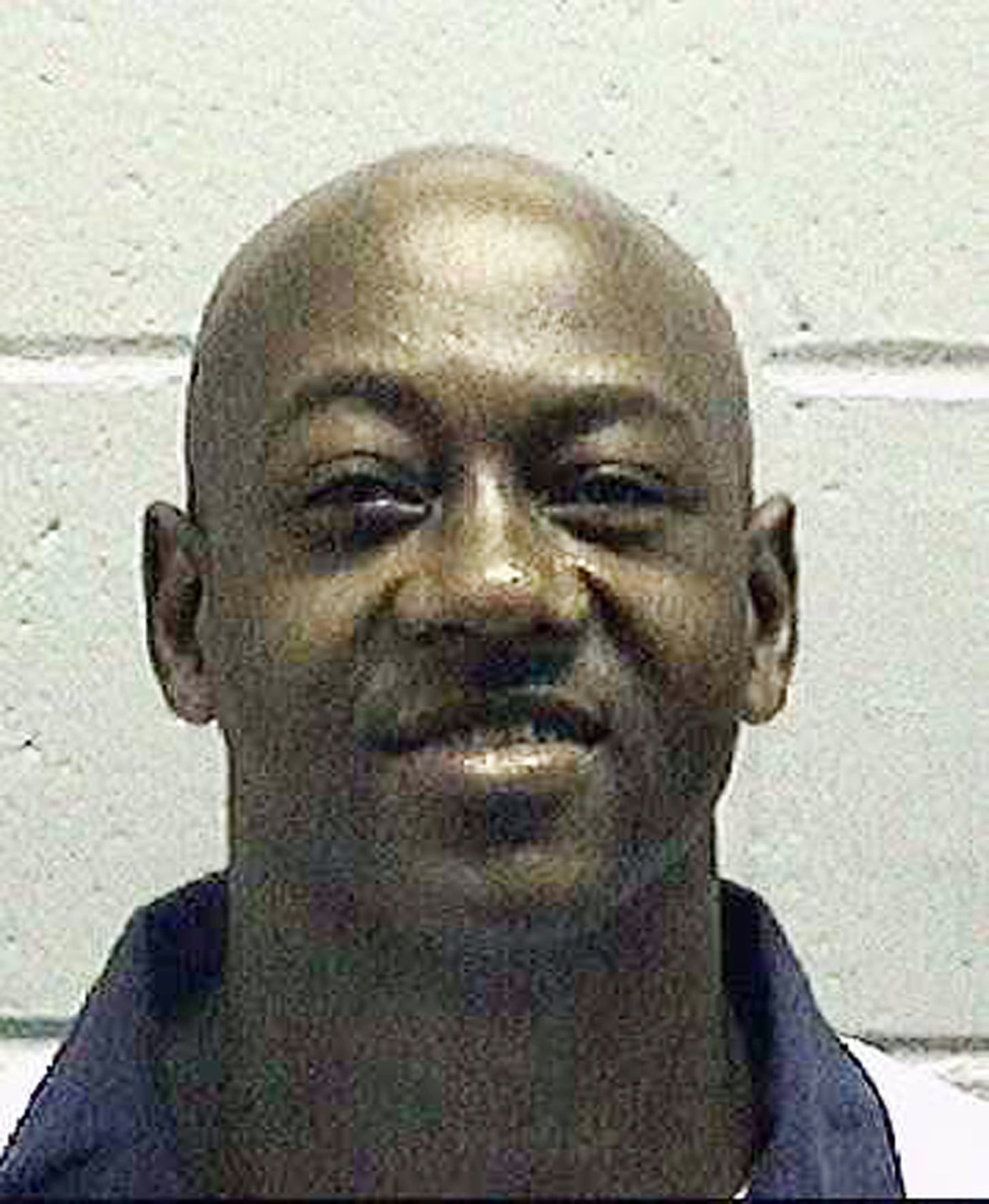
In this undated photo made available by the Georgia Department of Corrections, shows Timothy Tyrone Foster. The Supreme Court has thrown out a death sentence handed to Foster because prosecutors improperly kept African-Americans off the jury that convicted Foster of killing a white woman. The justices ruled 7-1 Monday, May 23, 2016. The outcome probably will enable Foster to win a new trial, 29 years after he was sentence to death. (Georgia Department of Corrections via AP)
In this undated photo made available by the Georgia Department of Corrections, shows Timothy Tyrone Foster. The Supreme Court has thrown out a death sentence handed to Foster because prosecutors improperly kept African-Americans off the jury that convicted Foster of killing a white woman. The justices ruled 7-1 Monday, May 23, 2016. The outcome probably will enable Foster to win a new trial, 29 years after he was sentence to death. (Georgia Department of Corrections via AP) In this undated photo made available by the Georgia Department of Corrections, shows Timothy Tyrone Foster. The Supreme Court has thrown out a death sentence handed to Foster because prosecutors improperly kept African-Americans off the jury that convicted Foster of killing a white woman. The justices ruled 7-1 Monday, May 23, 2016. The outcome probably will enable Foster to win a new trial, 29 years after he was sentence to death. (Georgia Department of Corrections via AP)

WASHINGTON (AP) – The Supreme Court ruled decisively in favor of a death-row inmate in Georgia on Monday, chastising state prosecutors for improperly keeping African-Americans off the jury that convicted him of killing a white woman.

The justices ruled 7-1 in favor of death row inmate Timothy Tyrone Foster in underscoring the importance of rules they laid out in 1986 to prevent racial discrimination in the selection of juries.

Chief Justice John Roberts wrote for the court that Georgia “prosecutors were motivated in substantial part by race” when they struck African-Americans from the jury pool.

But the court did nothing to limit peremptory strikes, lawyers’ ability to reject potential jurors without offering any reason. The late Thurgood Marshall once said that racial discrimination would persist in jury selection unless peremptory strikes were curtailed.

The outcome probably will enable Foster to win a new trial, 29 years after he was sentenced to death.