
Thursday, November 12, 2026Nov 12

Bacteria found in U.S. could become immune to all current antibiotics, health officials warn

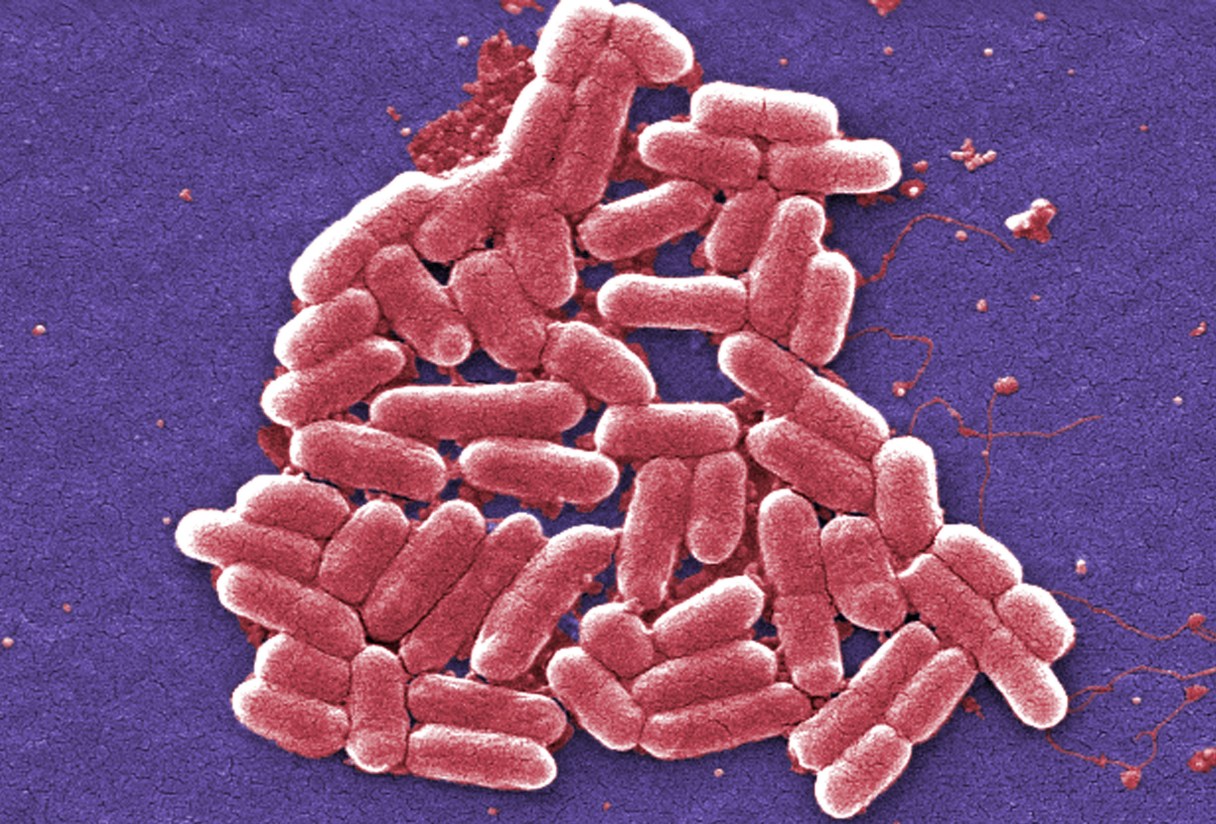
This 2006 colorized scanning electron micrograph image made available by the Centers for Disease Control and Prevention shows the O157:H7 strain of the E. coli bacteria. On Wednesday, May 26, 2016, U.S. military officials reported the first U.S. human case of bacteria resistant to an antibiotic used as a last resort drug. The 49-year-old woman has recovered from an infection of E. coli resistant to colistin. But officials fear that if the resistance spreads to other bacteria, the country may soon see germs impervious to all antibiotics. (Janice Carr/CDC via AP)
This 2006 colorized scanning electron micrograph image made available by the Centers for Disease Control and Prevention shows the O157:H7 strain of the E. coli bacteria. On Wednesday, May 26, 2016, U.S. military officials reported the first U.S. human case of bacteria resistant to an antibiotic used as a last resort drug. The 49-year-old woman has recovered from an infection of E. coli resistant to colistin. But officials fear that if the resistance spreads to other bacteria, the country may soon see germs impervious to all antibiotics. (Janice Carr/CDC via AP) This 2006 colorized scanning electron micrograph image made available by the Centers for Disease Control and Prevention shows the O157:H7 strain of the E. coli bacteria. On Wednesday, May 26, 2016, U.S. military officials reported the first U.S. human case of bacteria resistant to an antibiotic used as a last resort drug. The 49-year-old woman has recovered from an infection of E. coli resistant to colistin. But officials fear that if the resistance spreads to other bacteria, the country may soon see germs impervious to all antibiotics. (Janice Carr/CDC via AP)

"This is terrifying – I don't think we can overestimate the danger here."

Health officials are sounding the alarm that a new bacteria resistant to all current antibiotics could leave doctors and hospitals with no way to fight potentially deadly infections.

A Pennsylvania woman was diagnosed this week with a strain of bacteria that researchers said was resistant to their last-resort antibiotic. They fear that if other strains of bacteria evolve to include the same resistance, antibiotics will no longer be effective in fighting infection.

“It is the end of the road for antibiotics unless we act urgently,” Dr. Tom Frieden, director of the U.S. Centers for Disease Control and Prevention, said during an appearance in Washington, according to The Associated Press.

“This is terrifying – I don’t think we can overestimate the danger here,” said Dr. Mark Anderson, an infectious disease specialist with CHI Memorial hospital here in Chattanooga. “We are on the verge of potential catastrophe.”