





There is something about a physical space that gives people a go-to point: a place to hunker down, but also one from which to launch. Take the simple example of your home: When you have a home base, it’s generally easier to do what you need to do than if you are homeless.
The same logic can be applied to Chattanooga’s innovation district, a delineated space whose purpose is to drive innovation, and, in turn, to drive economic growth. Many say the district is doing that, though some also say it’s too soon to fully measure any impact.
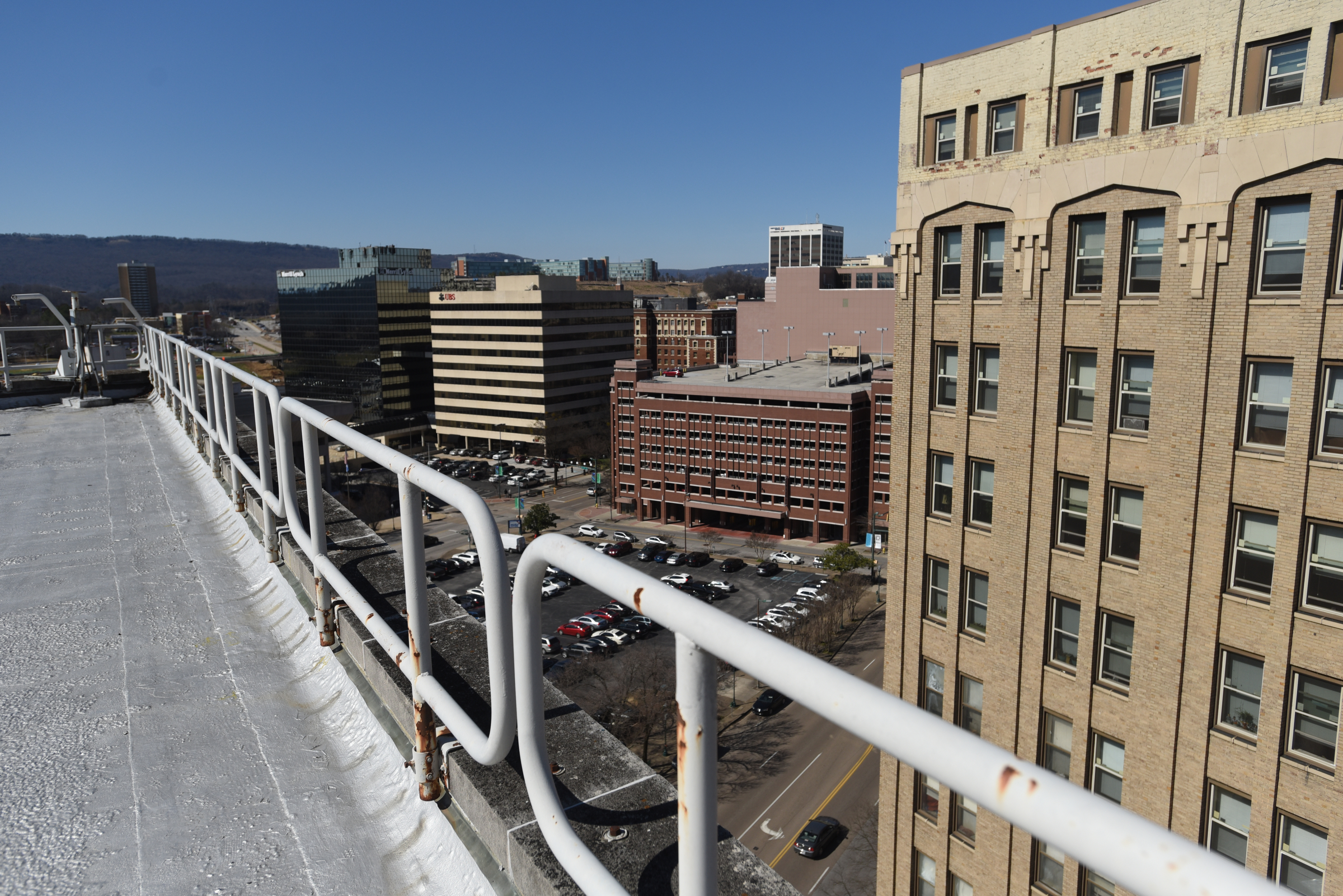
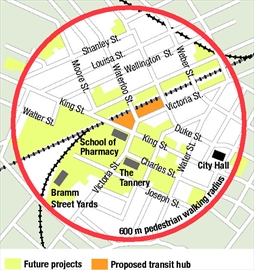
The circular, 140-acre district, established almost two years ago, spans the University of Tennessee, Electric Power Board, Lamp Post Group and dozens of other entities relevant to the city’s entrepreneurial scene. No zoning changes were needed to create it.
Innovation districts typically have several distinct characteristics: a density of companies and entrepreneurs, which can be a mix of startups and mature companies; a connection to higher education and the research and skills it offers; and a connection to what makes their city or area’s economy special (in Chattanooga, that could be EPB and its smart grid).
“We are essentially promoting access – access to high-speed broadband, access to other entrepreneurs, access to creativity and collaboration, access to talented people with the skills to use these next-century tools,” says Chattanooga Mayor Andy Berke. “When you have access to all of these assets in one, centralized geographic footprint you can start to generate an ecosystem for business development and growth.”