
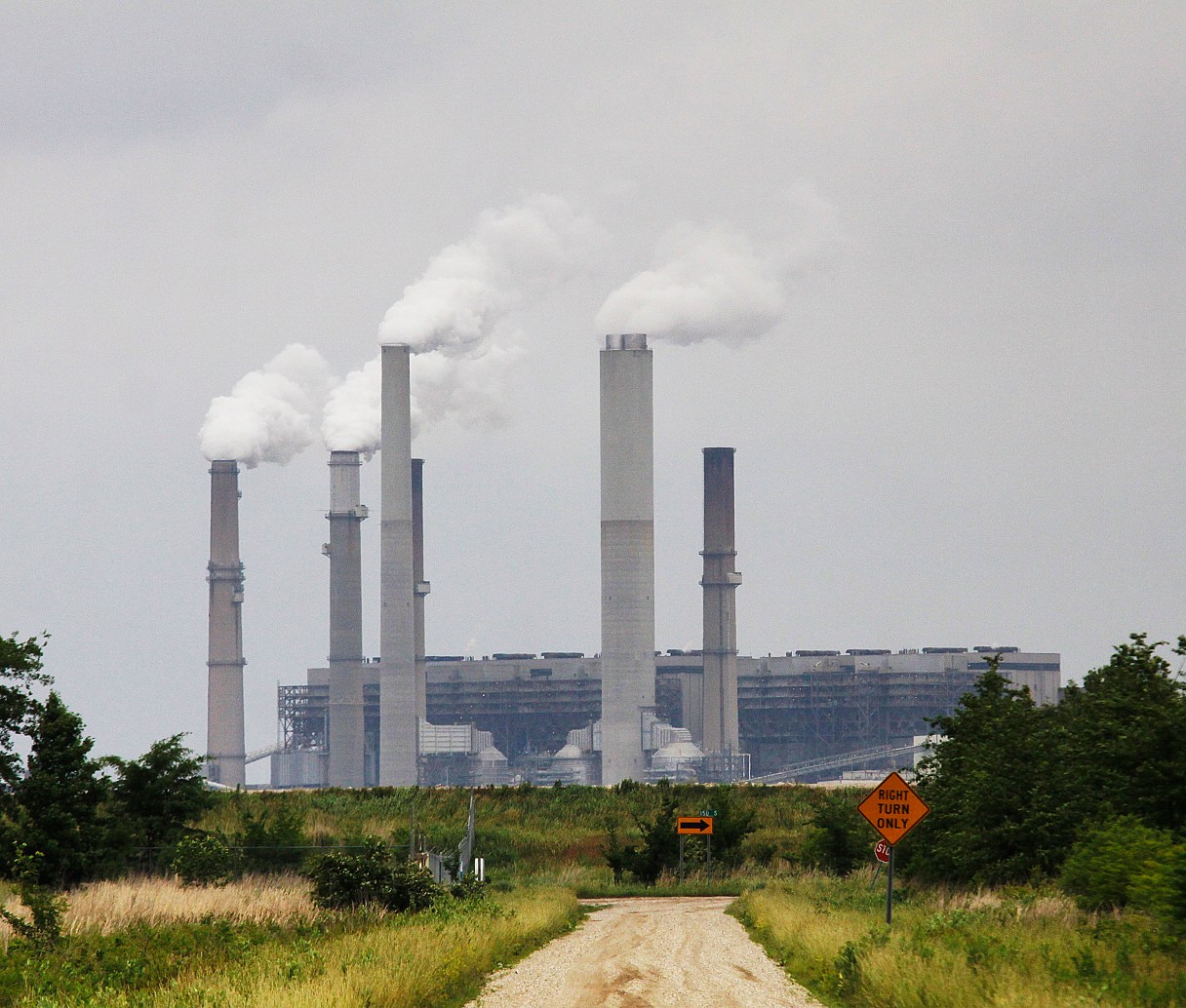
Duke Energy plans to cap unlined and potentially leaking coal ash pits at 10 generating plants in North Carolina and Indiana while excavating its sites in Kentucky and South Carolina, the country’s largest electricity company said Friday.
The company announced its plans ahead of a U.S. Environmental Protection Agency deadline next week for utilities to declare their plans for storing decades of waste left after burning coal for power. The ash is buried in hundreds of basins across the country.
Duke Energy plans to store in place almost 70 percent of its ash by dehydrating the storage pools and covering the area with a waterproof liner and dirt to encase the waste. The basin bottoms usually aren’t lined, and environmentalists contend heavy metals and other toxic materials filter into underground water supplies. Duke Energy denies that its pits contaminate groundwater.
Duke Energy projects drying out and covering three dozen coal ash pits. Ash would stay in existing pits at North Carolina plants in Belmont, Belews Creek, Terrell, Roxboro, Mooresboro and Semora. The company also would cap storage basins at its Indiana plants in Cayuga, New Albany, Owensville and Terre Haute. Other ash pits at some of those plants are slated to be excavated and removed.
Sixteen other pits already are being closed under conditions of North Carolina law or lawsuit settlements.
Eight other basins in Ohio and Indiana aren’t covered by the EPA deadline because they were retired before the agency’s coal ash rule took effect last year or because they are dry. Duke Energy’s only coal-burning plant in Florida was excavated seven years ago, and since then the ash has been channeled into industrial uses like concrete.
While Duke is removing coal ash from sites in Kentucky and South Carolina, the Tennessee Valley Authority plan to close and cap all 10 of its coal ash ponds on TVA property at a half dozen of the utility’s oldest coal-fired power plants.
TVA said disposing and cleaning up its coal ash ponds is better than digging up and removing the coal wastes. TVA will close and dewater the ash ponds and put a cap on the wastes to prevent any leakage.
“Based on our analyses and decades of available monitoring data, we believe that TVA’s coal combustion residuals’ management activities are not harming human health or the environment,” said John McCormick, TVA vice president of safety, river management and environment. “We also found that digging up the coal ash and moving it someplace else has more potential environmental and safety impacts than closure-in-place and adds significantly more time and costs for our ratepayers.”