
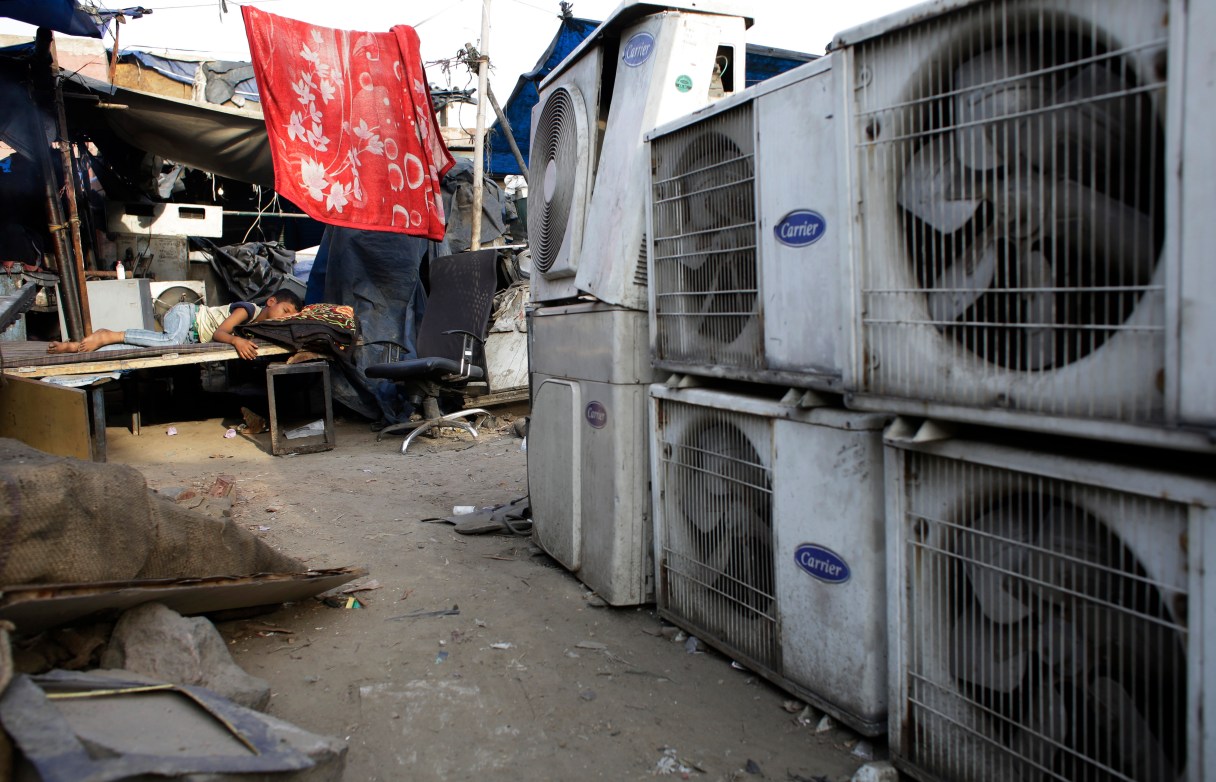
JOHANNESBURG (AP) – Greenhouse gases that are more powerful than carbon dioxide are the focus of a global gathering this week in Africa. Experts say cutting hydrofluorocarbons, or HFCs, is the fastest way to reduce global warming. The United States is among the countries that want the world to quickly phase out the use of HFCs, and Secretary of State John Kerry is arriving Thursday to encourage a deal. Here’s a look at a potential global climate agreement that has been described by the National Resources Defense Council as “the world’s biggest climate protection achievement in the year after Paris.”
___
IT’S NOT ABOUT THE OZONE LAYER
The ozone layer has been healing for a while, thanks to the global agreement known as the Montreal Protocol. In 1987, countries alarmed by the discovery of a huge hole in the ozone layer over Antarctica signed the treaty to eventually end the use of chlorofluorocarbons, which at the time were used in refrigerators and aerosols like hair spray. HFCs were introduced to replace CFCs, and scientists realized only later that they have a strong effect on global warming. Although HFCs don’t harm the ozone layer, their ability to trap the heat radiating off the Earth is hundreds or thousands of times more potent than that of carbon dioxide. The U.N. Environment Program says that reducing HFCs under the treaty could reduce global warming by .5-degree Celsius by the end of this century and environmental groups say the step is essential to meeting the goals of the Paris Agreement on climate change.
___