
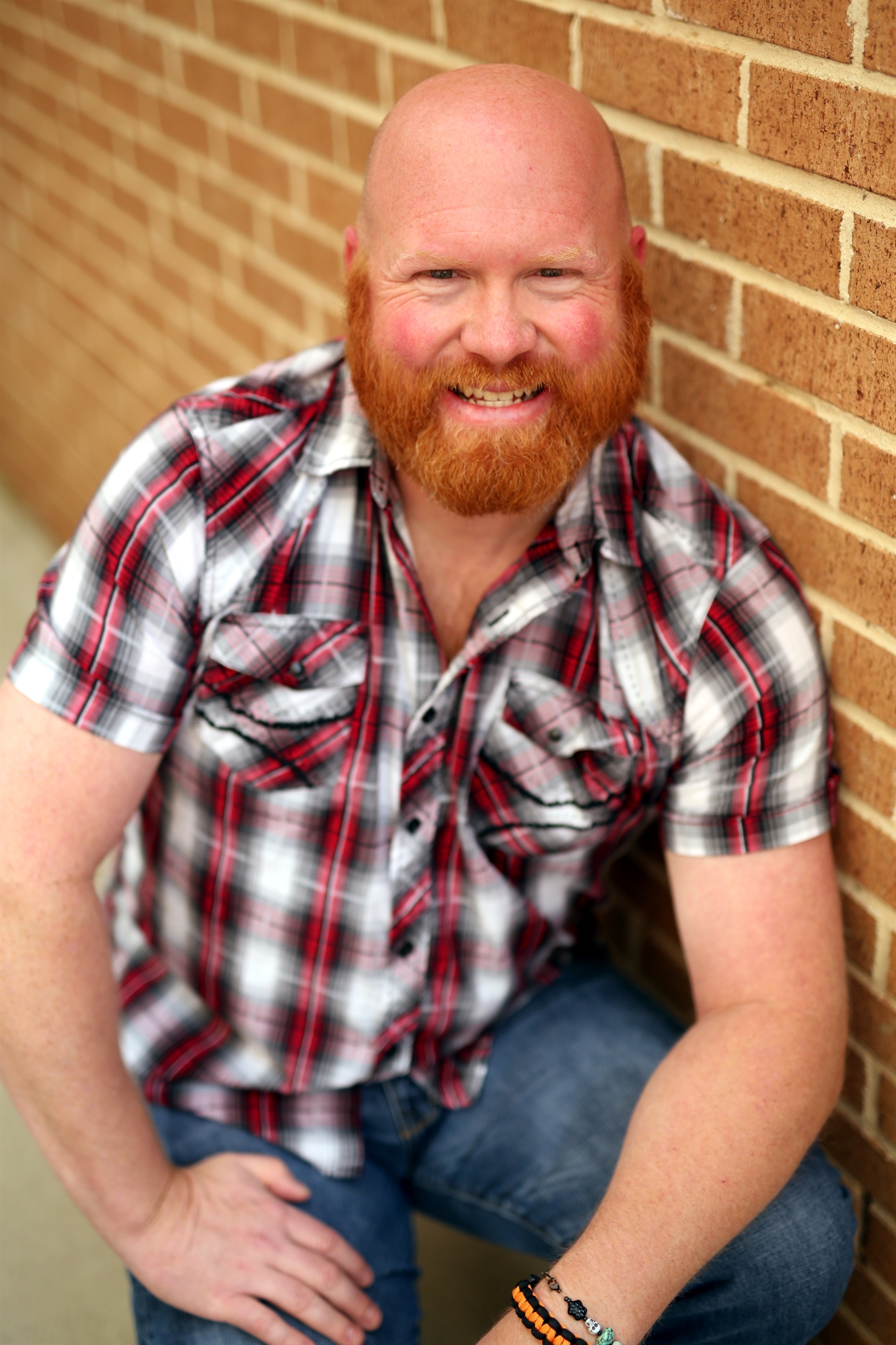
 David Powers has a Ph.D in counseling from Southern Indiana Bible Seminary.
If you go
› What: How to Survive the Zombie Apocalypse.› When: 6 p.m. Wednesday, Oct. 26.› Where: The Edney, Fifth Floor, 1100 Market Street› How much: $15.› Information: www.thechattery.org/.
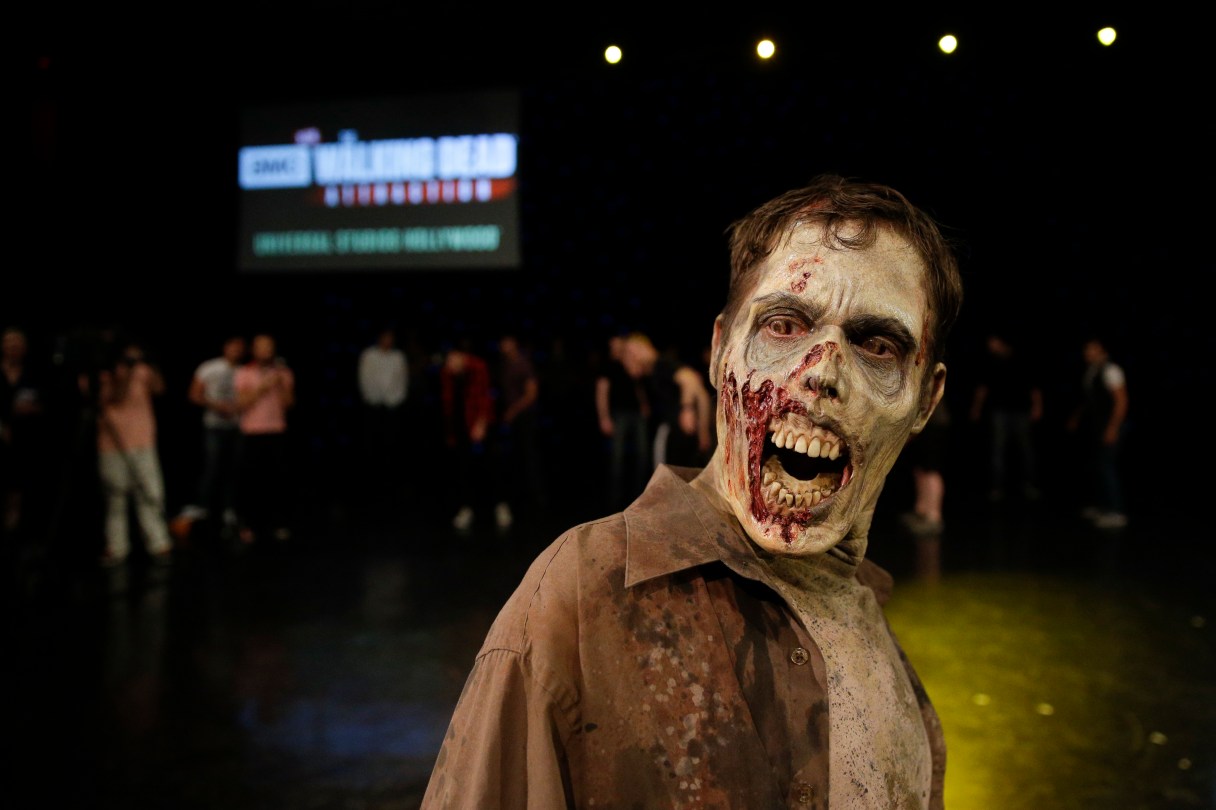
They shuffle along as grunts, groans and moans emerge from their slack-jawed (sometimes no-jawed) mouths. Their skin may be peeling off in strips; their clothes may be tattered and rotting. Chances are they stink up a storm.
Zombies. Whatcha gonna do with ’em?
Well, David Powers has an idea. Or at least a plan on what to do when zombies come a’stumblin’ after the end of civilization as we know it. He’ll lay out the details in his upcoming class: “How to Survive the Zombie Apocalypse,” set for Oct. 26. With the Season 7 premiere of “The Walking Dead” set for Sunday and Halloween eight days later, the issue seems particularly relevant.
Kinda.
Powers, whose website describes him as “Adventurer, Philosopher, and Pioneer,” won’t be telling folks the best way to kill (re-kill?) a zombie or how to forage for food or how to protect yourself against roving gangs of nasty people who just want to kill you and take your stuff.
A former emergency medical technician and an Army medic, his goal is more specific – disaster preparedness, in this case, hurricanes, tornadoes, floods and other destructive forces. Using zombies is simply a way to get attention.
“I find it way easier to get people who normally wouldn’t prepare for a disaster,” says Powers, who moved to Chattanooga a year ago and now lives in East Brainerd with his wife and four children and another due in March.
A native of Charleston, S.C., the 41-year-old personally understands the violence and destruction that roar in with hurricanes and how getting ready for such disasters before they hit is key to coming out the other side relatively unscathed. But he can also toss zombies into the mix.
For instance, the preparation of a “hurricane box” – water, food, first-aid kit, flashlight, among several other items – is “the exact same preparation for a zombie apocalypse – although you might throw in an extra ax,” he says with a smile in his voice.
Powers, a licensed counselor with a Ph.D from Southern Indiana Baptist Seminary, uses the word “zombie” as a metaphor for any natural disaster, according to Mark Prignac, who worked with Powers as an ambulance EMT and has attended several of his zombie seminars.
“Everyone seems to be equating disaster to zombies since now that’s all on TV,” Prignac says.
The classes start with Powers talking about zombies – “real,” not metaphorical – and include discussions about the ways zombies are made, such as the accidental escape of secret medical experiments (“28 Days Later”) to a green comet that drops evil stuff on Earth (“Night of the Living Dead”). But the talk soon shifts gears to genuine advice for real-life disasters, says Prignac, now a 911 dispatcher and jailer in South Carolina.
Actually, says Powers, a zombie invasion may not be too different from actual plagues that could spring up after a natural disaster. Rabies, for instance.
Some of the disease’s symptoms include confusion, agitation, delirium and hallucinations. Add in a hunger for human flesh and that could describe a zombie.
As one of the medical personnel who responded in 2005 to the destruction in New Orleans after Hurricane Katrina, Powers says he saw dogs – former house pets – running loose around the city, getting bitten by wild animals and contracting rabies.
He also points to pica, a disorder that strikes some pregnant women and causes them to eat weird things such as dirt, paint chips, stones and hair. If human flesh isn’t a weird thing to eat, what is?
His attention to zombies is long-standing love. A self-described “zombie geek,” his favorites zombie films are the horror-comedy “Zombieland” and the not-comedy “Night of the Living Dead.” He’s also a fan of “The Walking Dead” and looks forward to the season premiere Sunday. (He thinks he knows who was killed in the final episode last season.)
He hosts the “Zombie Apocalypse” class about 20 times a year, he says, and has traveled to such places as South Carolina, Louisiana, Connecticut and even Wisconsin (ice storms). At the end of each, he answers questions from the audience.
“I’ve done my job if people are asking legitimate disaster questions,” he says, but there’s almost always someone who wants to discuss the original subject.
“It’s usually the younger folks and I wasn’t able to get through to them,” he says. “They want to discuss their theories about zombies.”
Contact Shawn Ryan at sryan@timesfreepress.com or 423-757-6327.