
 Photo credit Clean Line Energy Partners
 Jimmy Glotfelty of Clean Line Energy for Sunday biz, 4-21-2013
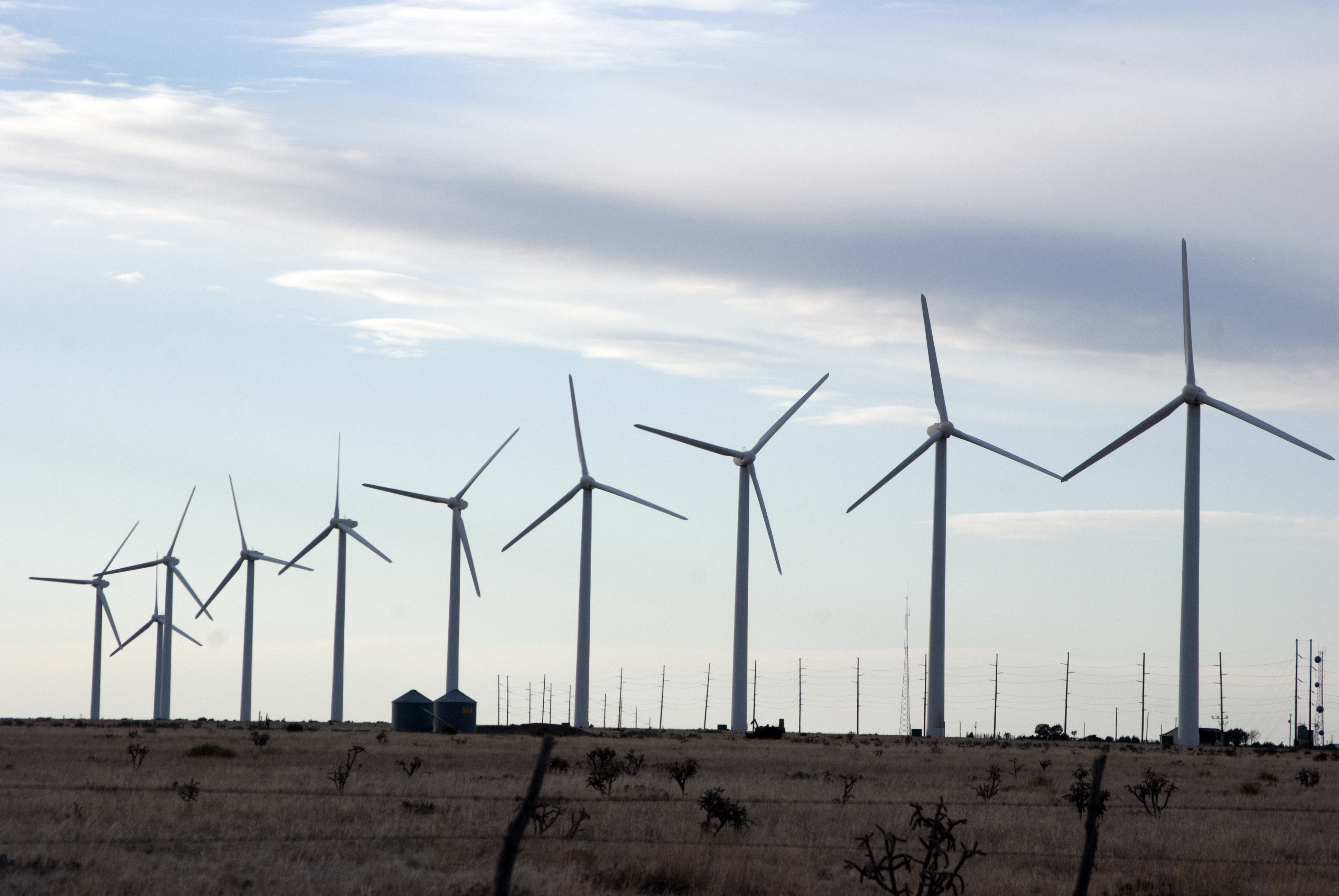
TVA could help propel one of the biggest transfers of wind energy across America and get the best price to do so if it agrees within the next four months to buy the electricity generated from Oklahoma and Texas wind turbines and shipped to the Tennessee Valley on a new, $2.5 billion transmission line.
Clean Line Energy Partners LLC, a Houston-based company formed to build high-voltage, long-distance transmission lines, is urging TVA to agree by the end of the year to buy at least some of the nearly 4,000 megawatts of wind energy it wants to transmit along a $2.5 billion direct-current line it plans to build through Oklahoma and Arkansas.
If TVA acts before the end of 2016, it could qualify for maximum production tax credits for wind energy that could nearly cut in half the expense of wind-generated power, which is already decreasing as wind turbines become more efficient.
Jimmy Glotfelty, executive vice president for Clean Line Energy Partners, told the TVA board last week that it could deliver wind-generated power from Oklahoma and Texas up to 60 percent of the time at around 3 to 3.5 cents per kilowatt-hour, which is cheaper than some of TVA’s other energy costs. Such wind-generated power could be available in two to three years after new wind turbines are erected in Oklahoma and Texas, where the wind blows more steadily than in the Southeast, and after Clean Line builds its proposed 700-mile line from the panhandle of Texas to Memphis.
The cost will be cheaper this year because the maximum federal production tax credits, worth the equivalent of 2.2 cents per kilowatt-hour, will begin to decrease after Jan. 1.