
Thursday, November 12, 2026Nov 12

North Korea mobilizes to deal with major flood damage

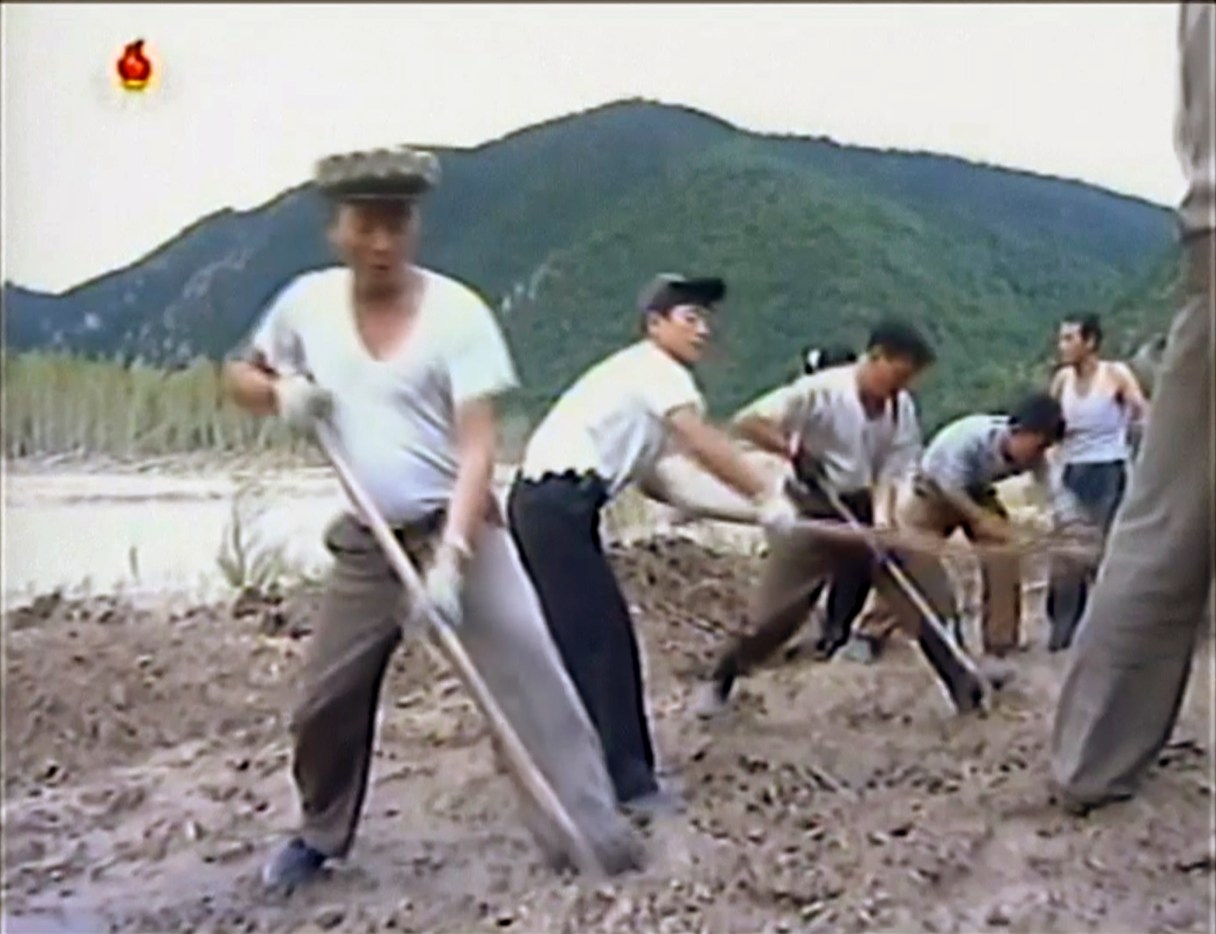
In this undated image from video distributed on Monday, Sept. 12, 2016, by North Korean broadcaster KRT, North Korean workers build levees along a river bank. North Korea is mobilizing to deal with a disastrous flood that killed more than 130 people, destroyed tens of thousands of homes and crippled infrastructure in its northern-most province. (KRT via AP)
In this undated image from video distributed on Monday, Sept. 12, 2016, by North Korean broadcaster KRT, North Korean workers build levees along a river bank. North Korea is mobilizing to deal with a disastrous flood that killed more than 130 people, destroyed tens of thousands of homes and crippled infrastructure in its northern-most province. (KRT via AP) In this undated image from video distributed on Monday, Sept. 12, 2016, by North Korean broadcaster KRT, North Korean workers build levees along a river bank. North Korea is mobilizing to deal with a disastrous flood that killed more than 130 people, destroyed tens of thousands of homes and crippled infrastructure in its northern-most province. (KRT via AP)

TOKYO (AP) – North Korea is mobilizing to deal with a disastrous flood that killed more than 130 people, destroyed tens of thousands of homes and crippled infrastructure in its northern-most province.

Brigades of soldiers from around the country have been enlisted to help victims of the flooding, which began Aug. 29 and was caused by Typhoon Lionrock.

According to a U.N. report issued by the Office for the Coordination of Humanitarian Affairs, the floods displaced tens of thousands of people and destroyed homes, buildings and critical infrastructure. North Korean media said it was the worst single case of downpours and high winds since 1945, though that claim couldn’t be verified.

The report said the government has confirmed 133 people were killed and another 395 missing. It said more than 35,500 houses, schools and public buildings were damaged, with 69 percent completely destroyed. It reported widespread inundation of farmland and at least 140,000 people in urgent need of assistance.

The hardest-hit areas, parts of which remain inaccessible, are Musan and Yonsa counties near the Chinese border in the northern tip of the country.