
Tuesday, November 10, 2026Nov 10

Protections rejected for American pika, other species

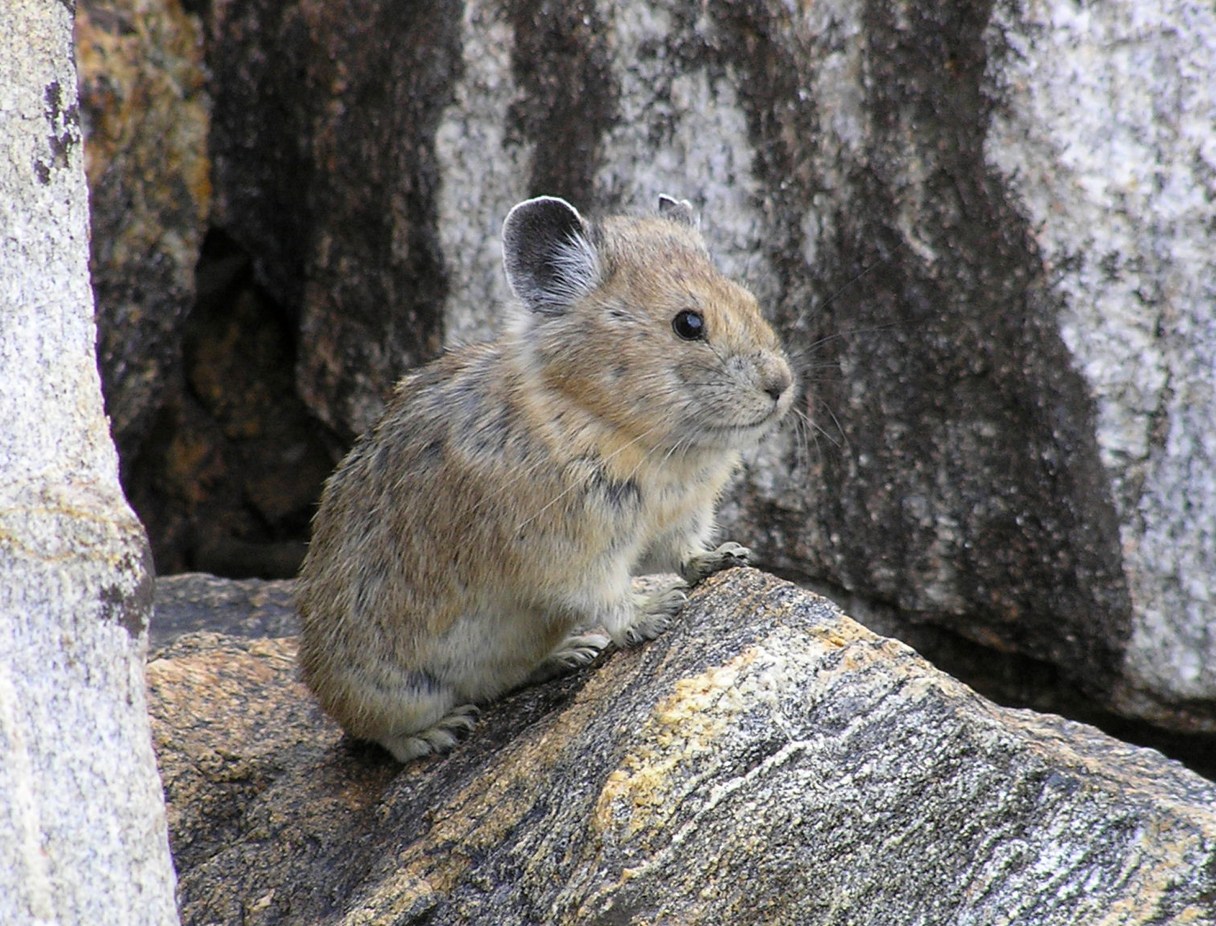
FILE - This Aug. 17, 2005 file photo provided by the US Geological Survey/Princeton University shows an American pika. Federal officials have rejected a petition to give greater protections to the rabbit-like American pika, which researchers say is vanishing from mountainous areas of the West due to climate change. (Shana S. Weber/USGS, Princeton University via AP,File)
FILE - This Aug. 17, 2005 file photo provided by the US Geological Survey/Princeton University shows an American pika. Federal officials have rejected a petition to give greater protections to the rabbit-like American pika, which researchers say is vanishing from mountainous areas of the West due to climate change. (Shana S. Weber/USGS, Princeton University via AP,File) FILE - This Aug. 17, 2005 file photo provided by the US Geological Survey/Princeton University shows an American pika. Federal officials have rejected a petition to give greater protections to the rabbit-like American pika, which researchers say is vanishing from mountainous areas of the West due to climate change. (Shana S. Weber/USGS, Princeton University via AP,File)

BILLINGS, Mont. (AP) – Federal officials on Tuesday rejected greater protections for six species including the rabbit-like American pika, which researchers warn is disappearing from areas of the Western U.S. as climate change alters it mountain habitats.

The pika’s range is shrinking across southern Utah, northeastern California and in the Great Basin that covers most of Nevada and parts of Utah, Oregon, Idaho and California, according to a U.S. Geological Survey study released last month.

Temperatures of 80 degrees Fahrenheit or higher can kill the mountain-dwelling mammals, wildlife officials say.

But the study was not available when a student from New York petitioned the U.S. Fish and Wildlife Service in April to protect the animal under the Endangered Species Act, agency spokesman Brian Hires said.

“We always try to use the best available science for our decisions,” Hires said.