
Tuesday, November 10, 2026Nov 10

Measuring Occupy Wall Street’s impact 5 years later

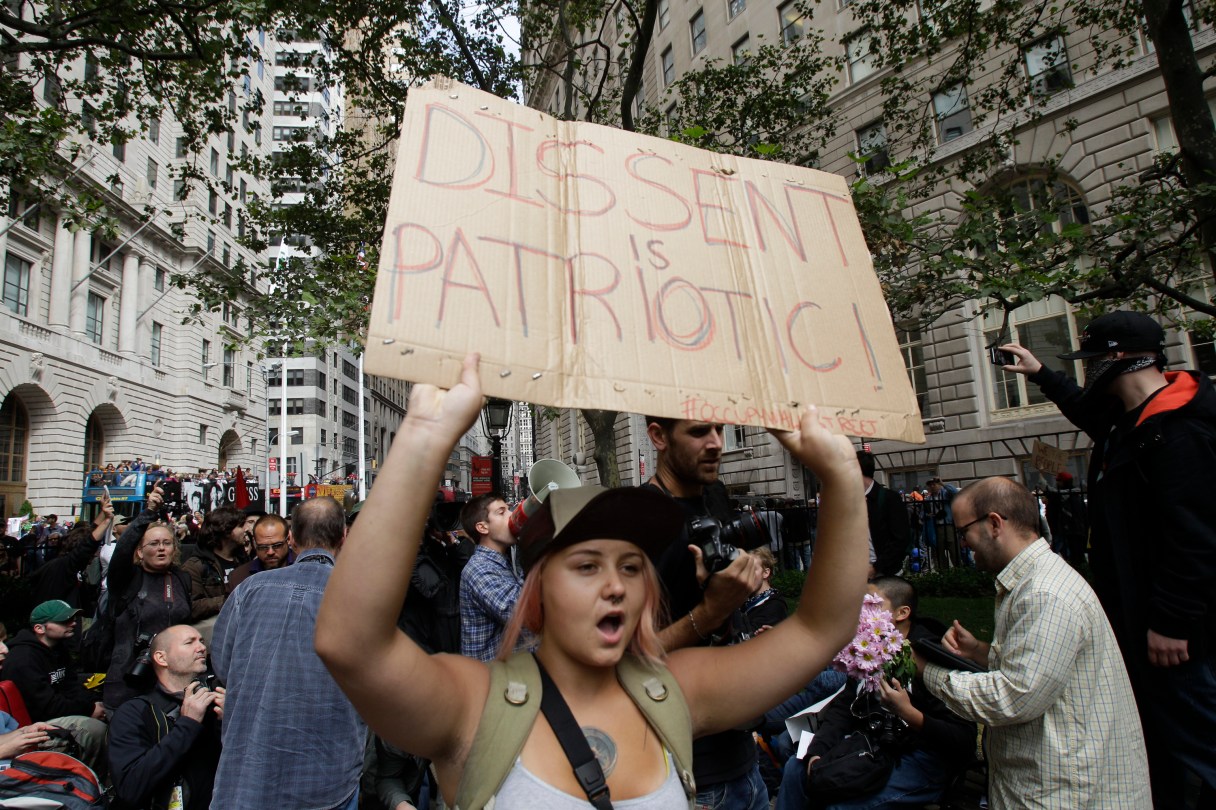
In this Sept. 17, 2011 file photo, demonstrators in the Occupy Wall Street movement gather to call for the occupation of Wall Street in New York. Alumni of the Occupy Wall Street protest are gathering Saturday, Sept. 17, 2016 in the New York City park that they took over five years ago to mark the anniversary of the movement. (AP Photo/Frank Franklin II, File)
In this Sept. 17, 2011 file photo, demonstrators in the Occupy Wall Street movement gather to call for the occupation of Wall Street in New York. Alumni of the Occupy Wall Street protest are gathering Saturday, Sept. 17, 2016 in the New York City park that they took over five years ago to mark the anniversary of the movement. (AP Photo/Frank Franklin II, File) In this Sept. 17, 2011 file photo, demonstrators in the Occupy Wall Street movement gather to call for the occupation of Wall Street in New York. Alumni of the Occupy Wall Street protest are gathering Saturday, Sept. 17, 2016 in the New York City park that they took over five years ago to mark the anniversary of the movement. (AP Photo/Frank Franklin II, File)

NEW YORK (AP) – For a time, Occupy Wall Street was everywhere with its grass-roots encampments – first in New York City, then globally – and the refrain, “We are the 99 percent!”

And then it was gone. Its most famous camp in lower Manhattan was cleared out in an overnight police raid two months after it started, and other Occupy locations fizzled soon thereafter.

But five years later, demonstrators gathered once again in New York City’s Zuccotti Park on Saturday to commemorate the movement and what they said has been its lasting impact.

About two dozen attended the gathering, many holding signs to demand political and banking reform. Others chanted, blew whistles and carried photo cutouts of political figures, including former Attorney General Eric Holder. As the group recounted its time occupying the park, tour groups stopped to catch a glimpse of the action.

Occupy Wall Street takes some of the credit for introducing income inequality into the broader political discourse, for inspiring the fight for a $15 minimum wage and, most recently, for creating a receptive audience for the Democratic presidential campaign of Vermont Sen. Bernie Sanders.