
Tuesday, November 10, 2026Nov 10

Your TV may use more energy than you think, group charges

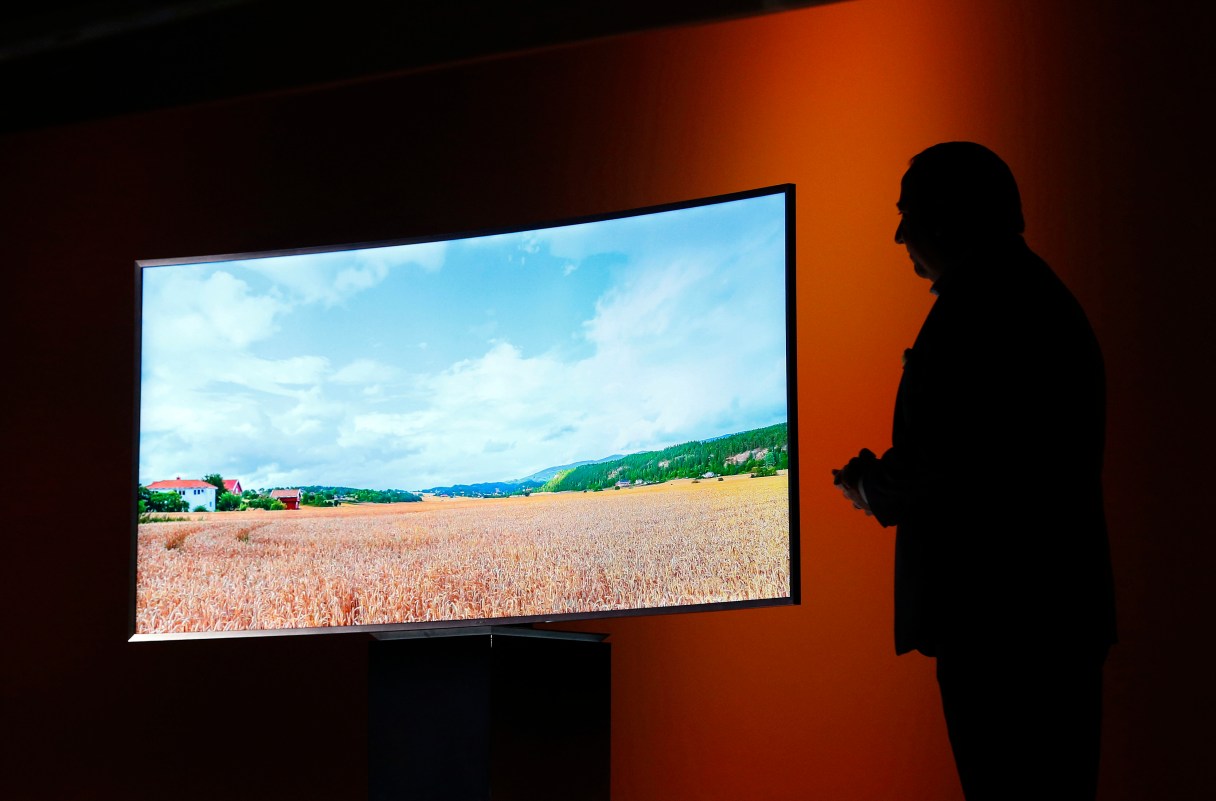
FILE - In this Jan. 5, 2015, file photo, Joe Stinziano, executive vice president of Samsung Electronics America, introduces a Samsung SUHD 4K TV at a news conference in Las Vegas. An environmental group is accusing a trio of major TV makers of engineering their sets to make them look more energy efficient than they actually are. The report released Wednesday, Sept. 21, 2016, by the Natural Resources Defense Council, says TVs from Samsung, LG and Vizio appear to exploit loopholes in federal testing standards in order to get better EnergyGuide scores. (AP Photo/John Locher, File)
FILE - In this Jan. 5, 2015, file photo, Joe Stinziano, executive vice president of Samsung Electronics America, introduces a Samsung SUHD 4K TV at a news conference in Las Vegas. An environmental group is accusing a trio of major TV makers of engineering their sets to make them look more energy efficient than they actually are. The report released Wednesday, Sept. 21, 2016, by the Natural Resources Defense Council, says TVs from Samsung, LG and Vizio appear to exploit loopholes in federal testing standards in order to get better EnergyGuide scores. (AP Photo/John Locher, File) FILE - In this Jan. 5, 2015, file photo, Joe Stinziano, executive vice president of Samsung Electronics America, introduces a Samsung SUHD 4K TV at a news conference in Las Vegas. An environmental group is accusing a trio of major TV makers of engineering their sets to make them look more energy efficient than they actually are. The report released Wednesday, Sept. 21, 2016, by the Natural Resources Defense Council, says TVs from Samsung, LG and Vizio appear to exploit loopholes in federal testing standards in order to get better EnergyGuide scores. (AP Photo/John Locher, File)

SAN FRANCISCO (AP) – An environmental group on Wednesday accused three major TV manufacturers of misleading consumers and regulators about how much energy high-definition screens devour, alleging that the televisions were designed to perform more efficiently during government testing than in ordinary use.

The report by the Natural Resources Defense Council said the TVs made by Samsung, LG Electronics and Vizio saddle households with an extra $120 million in electricity bills each year and generate tons of additional pollution.

None of the manufacturers immediately responded to requests for comment. The NRDC said the companies did not dispute the findings when confronted with them.

“It appears that some major manufacturers have modified their TV designs to get strong energy-use marks during government testing but may not perform as well in consumer homes,” said Noah Horowitz, senior scientist and director for the NRDC’s center for energy efficiency standards.

The findings are based on an analysis of high-definition TVs with screens spanning at least 55 inches made in 2015 and 2016. The estimates on electricity costs are based on high-definition TVs with screens 32 inches and larger.