
Tuesday, November 10, 2026Nov 10

New laws and rulings could cause Election Day confusion

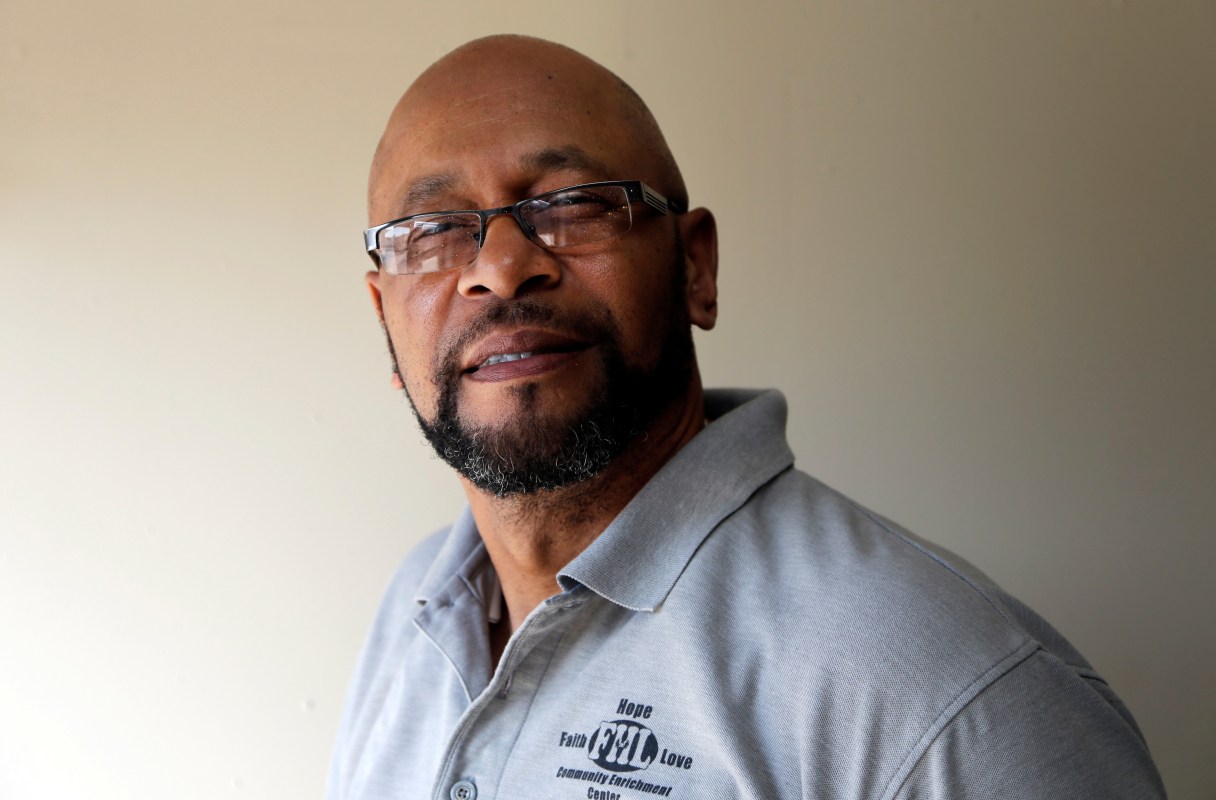
In this Sept. 15, 2016 photo, the Rev. Moses Colbert poses for a photo at his church in Gastonia, N.C. As Americans prepare to cast ballots for the next president, the voting process has never been more convoluted. A federal appeals court over the summer struck down several parts of a North Carolina law that not only required voters to show photo ID but also reduced early voting and eliminated same-day registration during the early voting period. Colbert, a black pastor from Kings Mountain, N.C., was among those who challenged the law after finding himself unable to vote in 2014. (AP Photo/Chuck Burton)
In this Sept. 15, 2016 photo, the Rev. Moses Colbert poses for a photo at his church in Gastonia, N.C. As Americans prepare to cast ballots for the next president, the voting process has never been more convoluted. A federal appeals court over the summer struck down several parts of a North Carolina law that not only required voters to show photo ID but also reduced early voting and eliminated same-day registration during the early voting period. Colbert, a black pastor from Kings Mountain, N.C., was among those who challenged the law after finding himself unable to vote in 2014. (AP Photo/Chuck Burton) In this Sept. 15, 2016 photo, the Rev. Moses Colbert poses for a photo at his church in Gastonia, N.C. As Americans prepare to cast ballots for the next president, the voting process has never been more convoluted. A federal appeals court over the summer struck down several parts of a North Carolina law that not only required voters to show photo ID but also reduced early voting and eliminated same-day registration during the early voting period. Colbert, a black pastor from Kings Mountain, N.C., was among those who challenged the law after finding himself unable to vote in 2014. (AP Photo/Chuck Burton)

ATLANTA (AP) – With more than 120 million Americans expected to cast ballots for president this fall, the nation’s voting process seems more convoluted than ever and rife with potential for confusion come Election Day.

Voting rules vary widely by state and sometimes by county, meaning some Americans can register the same day they vote, while others must do so weeks in advance. Some can mail in a ballot, while others must stand in line at a polling place that might be miles from home. Some who forget photo identification can simply sign an affidavit and have their ballot count, while others must return with their ID within a few days or their vote doesn’t matter.

Fourteen states have new voting and registration rules in place for this election, according to the Brennan Center for Justice at the NYU School of Law. Legal challenges have led to a multitude of recent court rulings that have blocked or struck down some provisions and upheld or reinstated others, scrambling the picture further.

The new rules and the rapidly shifting landscape have already caused confusion, and some experts fear problems on Nov. 8.

“You would think that by 2016 we would have gotten our act together, but in fact it seems things are as litigious and confusing as ever,” said Rick Hasen, an expert on election law and professor at the University of California, Irvine School of Law.