
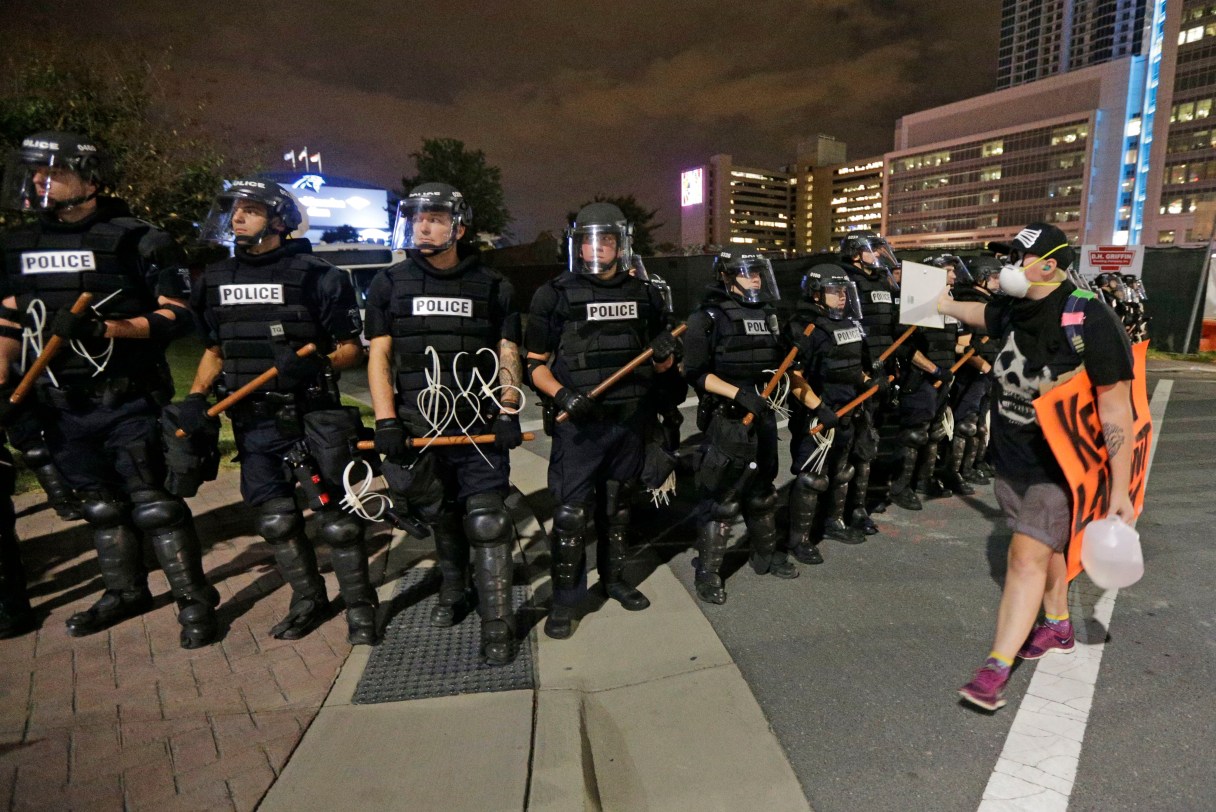
ATLANTA (AP) – Two police shootings, both recorded by police. In one city, the police recordings were released almost immediately and protests remained calm. In the other, the chief has so far refused to provide the videos to the public and violent protests have wrought destruction in the heart of the city. Two different outcomes that raise some key questions: How soon are police obligated to release the recordings and why might they keep a lid on it?
In this era of a 24/7 cycle of citizen journalists and live video feeds, civil rights activists are saying the refusal to release video almost immediately underscores the fractured relationship between police and the community they serve.
“There’s a knee jerk reaction on the part of police departments. We used to call it the blue wall of silence,” said Randolph M. McLaughlin, a civil rights attorney and professor at Pace Law School in New York City. “Now it’s just a blue wall.”
Law enforcement officials, however, urge caution and contend police must resist caving into demands to release video or they risk tainting an ongoing investigation. They warn that video also isn’t necessarily the most illuminating and could unduly influence a witnesses’ version of events.
“The key thing that people need to understand is that the integrity of the investigation is the most important thing,” said David Klinger, a University of Missouri-St. Louis sociology professor who studies police use of deadly force. He added: “You cannot let the mob run how a police department runs an investigation.”