
Thursday, October 29, 2026Oct 29

This story is free to read.

WHY IT MATTERS: Russia

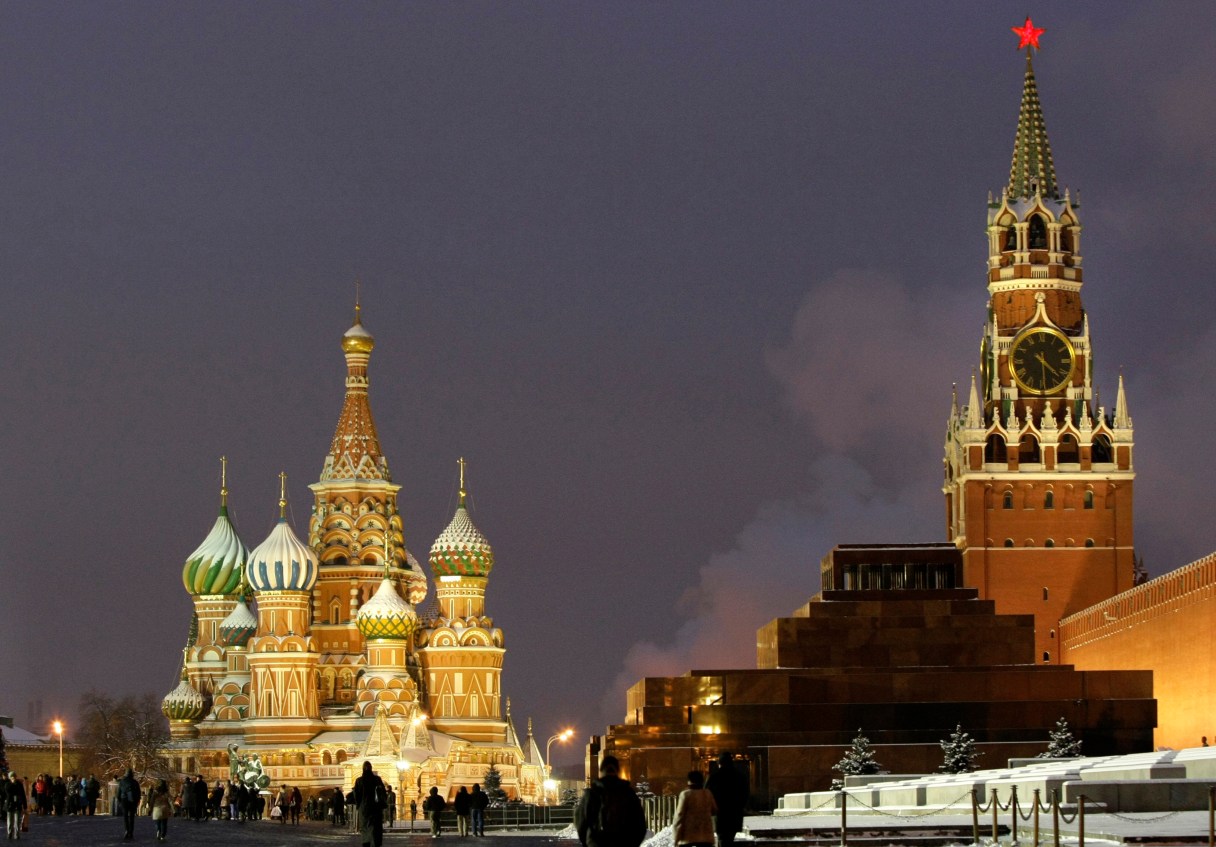
FILE - In this Dec. 10, 2009, file photo, people walk in Red Square, with St. Basil Cathedral, left, the Kremlin's Spassky Tower, right back, and Lenin Mausoleum, right, in Moscow, Russia. Russia cannot be ignored. Since the end of the Cold War, Russia has never posed such a vexing problem to U.S. policymakers as it does now. From Eastern Europe to the Middle East and increasingly Asia and the Americas, Russia is making its voice heard and its presence felt. (AP Photo/Misha Japaridze, File)
FILE - In this Dec. 10, 2009, file photo, people walk in Red Square, with St. Basil Cathedral, left, the Kremlin's Spassky Tower, right back, and Lenin Mausoleum, right, in Moscow, Russia. Russia cannot be ignored. Since the end of the Cold War, Russia has never posed such a vexing problem to U.S. policymakers as it does now. From Eastern Europe to the Middle East and increasingly Asia and the Americas, Russia is making its voice heard and its presence felt. (AP Photo/Misha Japaridze, File) FILE - In this Dec. 10, 2009, file photo, people walk in Red Square, with St. Basil Cathedral, left, the Kremlin's Spassky Tower, right back, and Lenin Mausoleum, right, in Moscow, Russia. Russia cannot be ignored. Since the end of the Cold War, Russia has never posed such a vexing problem to U.S. policymakers as it does now. From Eastern Europe to the Middle East and increasingly Asia and the Americas, Russia is making its voice heard and its presence felt. (AP Photo/Misha Japaridze, File)

WASHINGTON (AP) – THE ISSUE: Russia cannot be ignored. Since the end of the Cold War, Russia has never posed such a vexing problem to U.S. policymakers as it does now. From Eastern Europe to the Middle East and increasingly Asia and the Americas, Russia is making its voice heard and its presence felt.

After a brief period of looking inward during much of President Barack Obama’s first term, Russia has returned to the international stage with zeal under Vladimir Putin. Russia is militarily involved in Syria, supports separatists in eastern Ukraine and areas of Georgia and has even been accused of trying to meddle in the U.S. presidential race. At the same time, the Obama administration has been forced to accept that working with Russia is probably the only way to achieve results on many complicated international issues. Thus, Russia was central in the Iran nuclear negotiations and is a player as well as negotiator in the Syria truce effort.

___

WHERE THEY STAND

Republican Donald Trump advocates improved relations with Russia – “Wouldn’t it be nice if we actually got along with Russia?” has been a standard line in his campaign speeches – and has been strikingly complimentary of Putin’s strong leadership style, contrasting it favorably with that of Obama. Some of Trump’s current and former top advisers have been criticized for being too close to Putin, and Democrats have accused the businessman of pandering for Russian praise. Trump, however, is not the first politician to champion better U.S. ties with Russia.