
Saturday, November 14, 2026Nov 14

South Carolina sues U.S. for $100 million over failure to remove plutonium

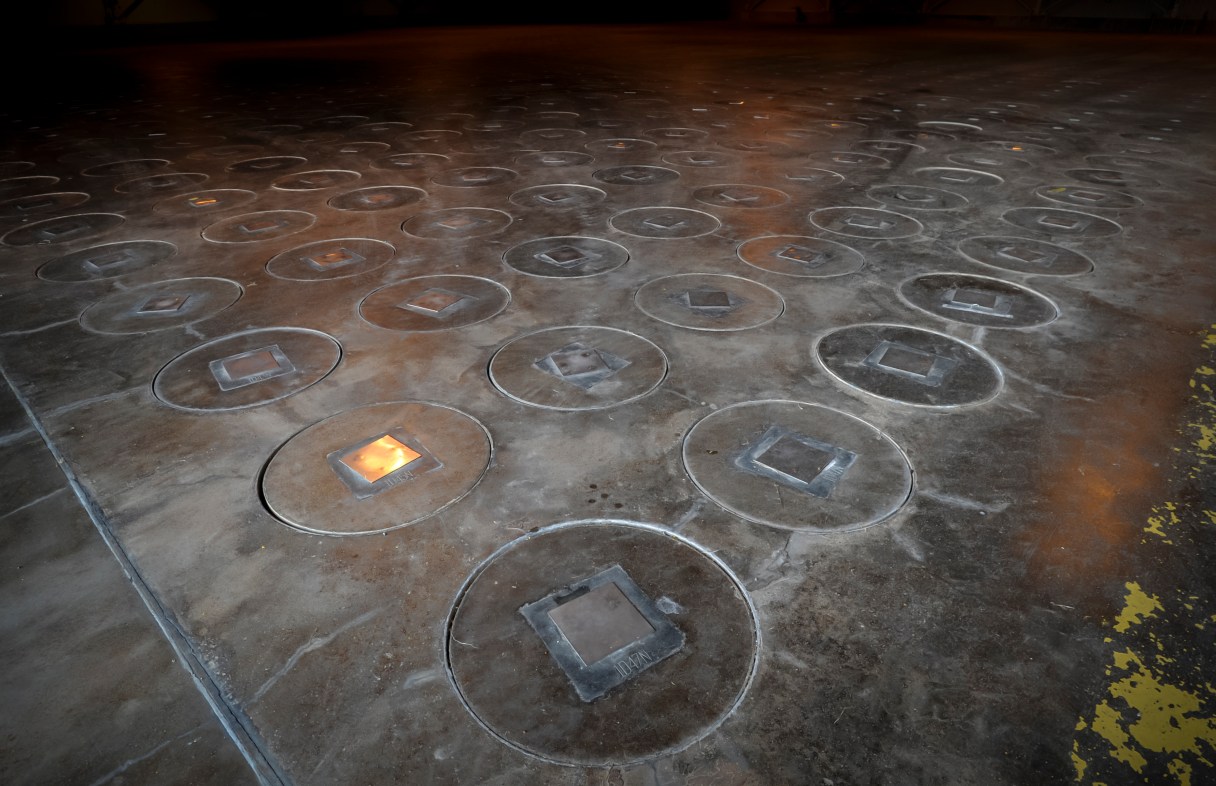
FILE - In this Nov., 20, 2013, file photo, radioactive waste, sealed in large stainless steel canisters, are stored under a five-feet of concrete in a storage building at the Savannah River Site near Aiken, S.C. South Carolina says it's filed its largest lawsuit ever against the federal government, seeking to force the U.S. Department of Energy to make good on a deal over removing plutonium from the state. The lawsuit, filed Monday, Aug. 7, 2017, seeks to recover $100 million from the agency over failing to comply with an agreement to remove one metric ton of weapons-grade materials from the Savannah River Site. (AP Photo/Stephen B. Morton, File)

South Carolina said it had filed its largest lawsuit ever against the federal government, seeking to force the U.S. Department of Energy to make good on a deal to remove plutonium from the state.

The lawsuit seeks to recover $100 million from the agency for failing to comply with an agreement to remove one metric ton of weapons-grade materials from the Savannah River Site, according to Attorney General Alan Wilson’s office.

South Carolina for years has tried to recover the fines as part of another lawsuit. The government planned to complete a plant to process weapons-grade materials into fuel for commercial nuclear reactors, but it has not been finished.

A deal allows the state to seek fines of $1 million a day, beginning Jan. 1, 2016, for every day the department failed to remove one metric ton of weapons-grade defense plutonium. Those fines cap at $100 million a year.

Closer to home

The Tennessee Valley Authority has signed a memorandum of understanding with the National Nuclear Security Administration to study the use of mixed oxide fuel that could be produced at the Savannah River Site, but no license application for the MOX fuel use has been filed yet with the U.S. Nuclear Regulatory Commission.