
Q. What is the new internet scam “Smishing”?
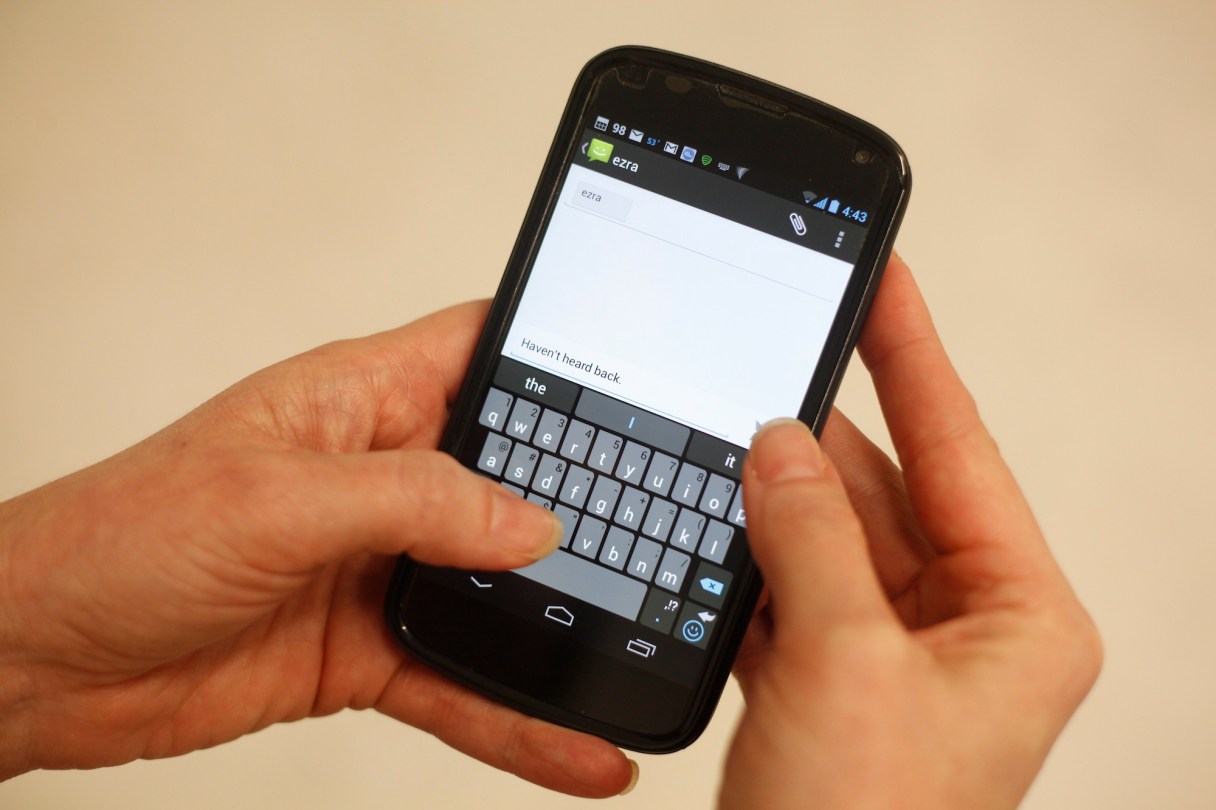
A. Internet scam artists have moved past your email inbox – because that was so two months ago – and are now targeting consumers through text messages. Although this scam has been around for a couple of years, it is just now becoming the new scamming ‘fad’. “Smishing” scams operate by preying on consumers’ sense of urgency. Examples of reported “smishing” scams could be your bank contacting you regarding an unauthorized charge or mystery shopping invitations that lead to shopping fraud.
The Better Business Bureau serving Southeast Tennessee and Northwest Georgia has been receiving calls from consumers claiming they have received a text message from a number claiming to be their bank informing them that their credit card has been frozen. Thankfully, those consumers did not bank with the specified financial institution; therefore they did not fall for the scam. It is most important to remember that scammers are not specifically singling out any particular person, but instead, playing a game of chance by hoping that someone they contact is connected to their referenced company.
To protect yourself from potential “smishing” attempts, consider the following:
 Jim Winsett of the BBB.
Use two-factor authentication. Two factor authentications is a two–step login process that provides you with an extra layer of security. In addition to a password requirement, the user will be required to provide a piece of information only they have such as a text message or phone call with an additional code.