
Wednesday, November 11, 2026Nov 11

Top court says privacy the fundamental right of every Indian

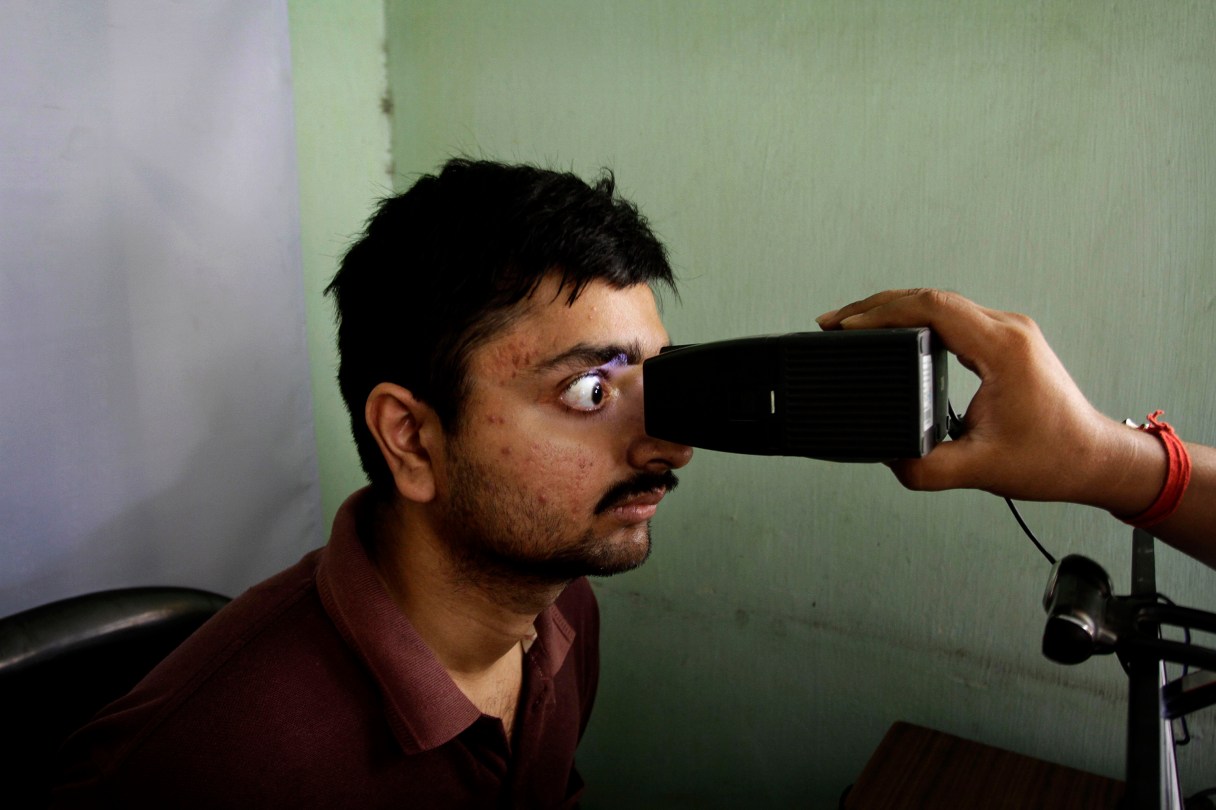
FILE- In this May 16, 2012 file photo, an Indian man gets his retina scanned as he enrolls for Aadhar, India's unique identification project in Kolkata, India. India's top court has ruled that the right to privacy is a fundamental right of every citizen of the country. The landmark verdict was in response to many petitions filed in courts questioning the validity of a government scheme to assign a unique biometric identity card to every individual. (AP Photo/Bikas Das, File)
FILE- In this May 16, 2012 file photo, an Indian man gets his retina scanned as he enrolls for Aadhar, India's unique identification project in Kolkata, India. India's top court has ruled that the right to privacy is a fundamental right of every citizen of the country. The landmark verdict was in response to many petitions filed in courts questioning the validity of a government scheme to assign a unique biometric identity card to every individual. (AP Photo/Bikas Das, File) FILE- In this May 16, 2012 file photo, an Indian man gets his retina scanned as he enrolls for Aadhar, India's unique identification project in Kolkata, India. India's top court has ruled that the right to privacy is a fundamental right of every citizen of the country. The landmark verdict was in response to many petitions filed in courts questioning the validity of a government scheme to assign a unique biometric identity card to every individual. (AP Photo/Bikas Das, File)

NEW DELHI (AP) – India’s top court ruled Thursday that privacy is a fundamental right of every citizen in a landmark judgment that could affect the country’s mammoth, unique identity card system.

The verdict was in response to many petitions filed in courts questioning the validity of assigning a biometric identity card to every individual. The government has made the identity card mandatory for all citizens to avail welfare benefits, but human rights group raised concerns about the risk of personal data being misused.

“This is a very progressive judgment that endorses and protects the fundamental rights of the people,” said Soli Sorabjee, a leading lawyer and former attorney general of India.

The ruling overturns two earlier decisions by smaller benches of the Supreme Court, which said privacy was not a fundamental right. On Thursday, a nine-judge bench of the Supreme Court unanimously ruled that the right to privacy is intrinsic to the fundamental rights guaranteed by the Indian Constitution.

The decision is being viewed as a setback to the government’s efforts to make the ID card compulsory. The government will now have to convince the court that forcing citizens to give their fingerprint samples and a scan of their iris is not a violation of privacy.